7 Best OpenWorker Alternatives in 2026

The best OpenWorker alternatives in 2026, ranked by setup effort. Cloud and no-install AI agents for people who want finished work without the local build.
Table of Contents
The best OpenWorker alternatives in 2026 are cloud and no-install AI agents that hand you finished work without asking you to run a local server: MoClaw, Manus, Genspark, Lindy, n8n, Dust, and Zapier. Each one keeps the deliverable-first idea behind Andrew Ng's OpenWorker but removes at least one of its three friction points, the bring-your-own-key setup, the local maintenance, and an install path that still routes Windows users through an unsigned build.
OpenWorker is genuinely good. It is MIT-licensed, open source, and local-first, which is exactly what you want if privacy and code access are your priorities. But plenty of people who get excited by the launch thread stall before the first task, because they do not want to manage API keys, do not want a Python agent server to babysit, or opened the homepage on Windows and read "Windows support coming soon" when a working installer was actually sitting in the GitHub release the whole time. This list is for them.
Key Takeaways:
- OpenWorker's strengths are open source, local-first privacy, and model independence. Its friction is BYOK setup, self-maintenance, and a Windows path that is unsigned and undocumented on its own homepage.
- If you want zero setup and managed keys, a cloud agent like MoClaw is the closest swap.
- If you want open source but not a desktop app, n8n keeps the self-host ethos in a workflow model.
- Match the alternative to the specific step where OpenWorker blocks you, not to a generic "best" label.
Why Look for an OpenWorker Alternative
Start by naming what OpenWorker does well, because a fair alternative has to replace it, not just undercut it. It returns deliverables instead of chat, it runs entirely on your machine so your data never leaves unless you route it through a model, and it works with any model through the aisuite library. For a developer who values control, that package is hard to beat. If you want the full breakdown of the tool itself, we covered what OpenWorker is and how it works separately.
The friction is equally concrete. If you run Windows, the homepage tells you to wait, showing a greyed-out "Download for Windows / Coming soon," while the README quietly links a real OpenWorker-windows-setup.exe that has been in the releases since launch day. Finding it means trusting an unsigned installer that SmartScreen will flag. Other people stall at the API key step, or at the idea of keeping a local server patched. The right alternative depends on which of those walls you hit.
Here is how the seven compare on the things OpenWorker makes you do yourself.
| Tool | Setup | Model keys | Hosting | Best for |
|---|---|---|---|---|
| MoClaw | None, runs in browser | Managed, included | Cloud | Non-technical, zero-setup |
| Manus | None, web app | Included | Cloud | One-off autonomous tasks |
| Genspark | None, web app | Included | Cloud | Research and quick agentic jobs |
| Lindy | No-code builder | Included | Cloud | Email and calendar automation |
| n8n | Self-host or cloud | Bring your own | Self or cloud | Open-source workflow builders |
| Dust | Light config | Included | Cloud | Enterprise cross-tool knowledge |
| Zapier | Connect apps | Included | Cloud | Automating existing SaaS stacks |
What this resolved: A clear frame. You are not replacing OpenWorker wholesale, you are removing one specific step it forces on you.
What it left unsolved: Every option here trades some of OpenWorker's local privacy for convenience. If on-device data is non-negotiable, stay on OpenWorker or n8n self-hosted.
MoClaw: Zero-Setup Cloud AI Agent
If your blocker is "I do not want to install a desktop app or manage API keys," MoClaw is the closest one-to-one swap. It runs the same deliverable-first pattern as OpenWorker, you describe an outcome and it produces the artifact, but the install, the model keys, and the infrastructure are all handled. You open a browser, describe the task, and approve the result.
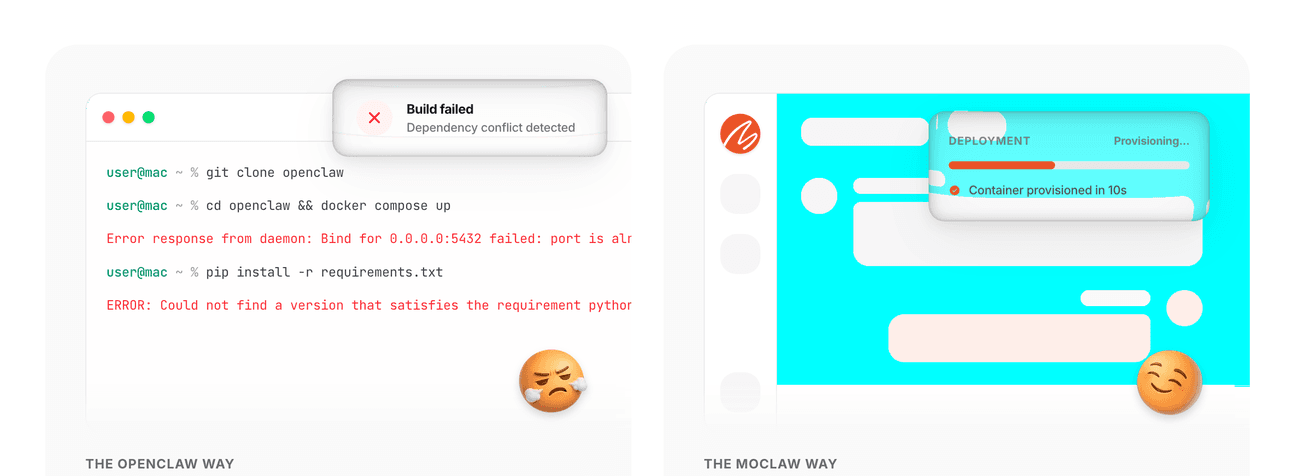
Consider a 12-person marketing agency that wanted OpenWorker's "triage my Slack and draft the report" workflow but had no one to own a local Python server across the team. They moved the same job to a managed cloud agent, onboarded the whole team in an afternoon, and never touched an API key. That is the trade MoClaw makes: you give up on-device privacy and local code access, and you get zero operational overhead in return. It is a managed AI coworker, not a replacement for the control OpenWorker hands a developer.
Best for: Non-technical teams and operators who want finished work without owning any infrastructure.
The trade-off: Runs in the cloud, so it is not the pick if fully local data is a hard requirement.
Manus: Autonomous General Agent
Manus is the alternative for one-off, open-ended jobs you want a single agent to run end to end. Where OpenWorker is a persistent desktop coworker, Manus leans into autonomous task completion in the cloud: hand it a goal like "research these 20 competitors and build a comparison deck," and it plans and executes across web and tools without you wiring anything locally.
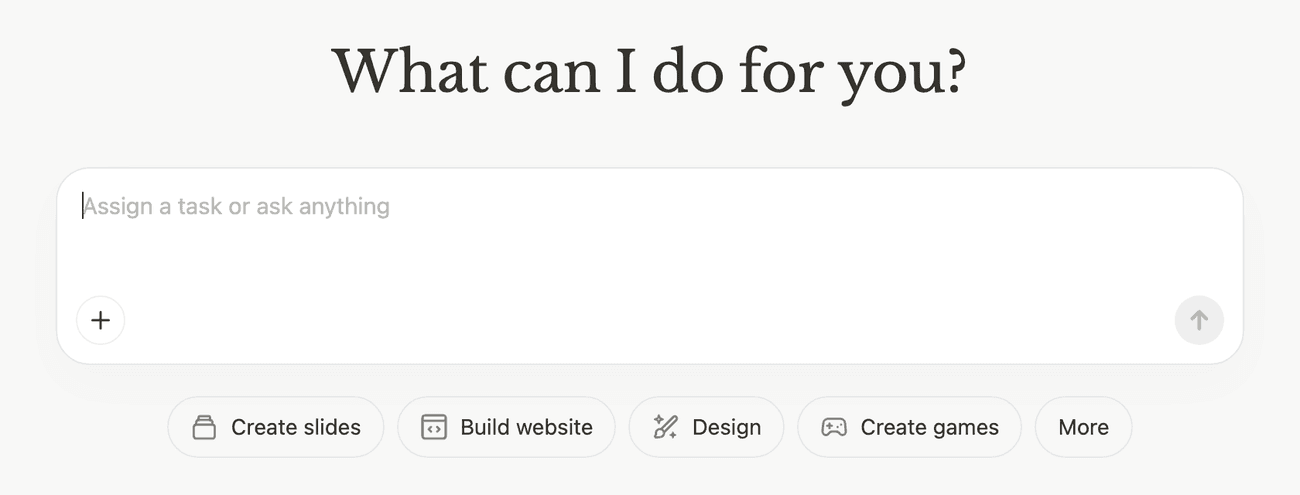
The difference that matters is persistence versus burst. OpenWorker is designed to live alongside your daily tools and check in before consequential actions. Manus is stronger as a fire-and-forget worker for a bounded project. If your need is a big one-time deliverable rather than an always-on assistant, Manus removes the setup tax and does the heavy lifting in a browser tab.
Best for: Ambitious one-off tasks and autonomous research or build jobs.
The trade-off: Less suited to persistent, everyday tool integration than a desktop coworker.
Genspark: Agentic Tasks and Research
Genspark overlaps with Manus but skews toward research and quick agentic outputs. It is a fit when your OpenWorker blocker is simply "I want an agent to go do a task and come back with an answer" and you would rather not install anything.
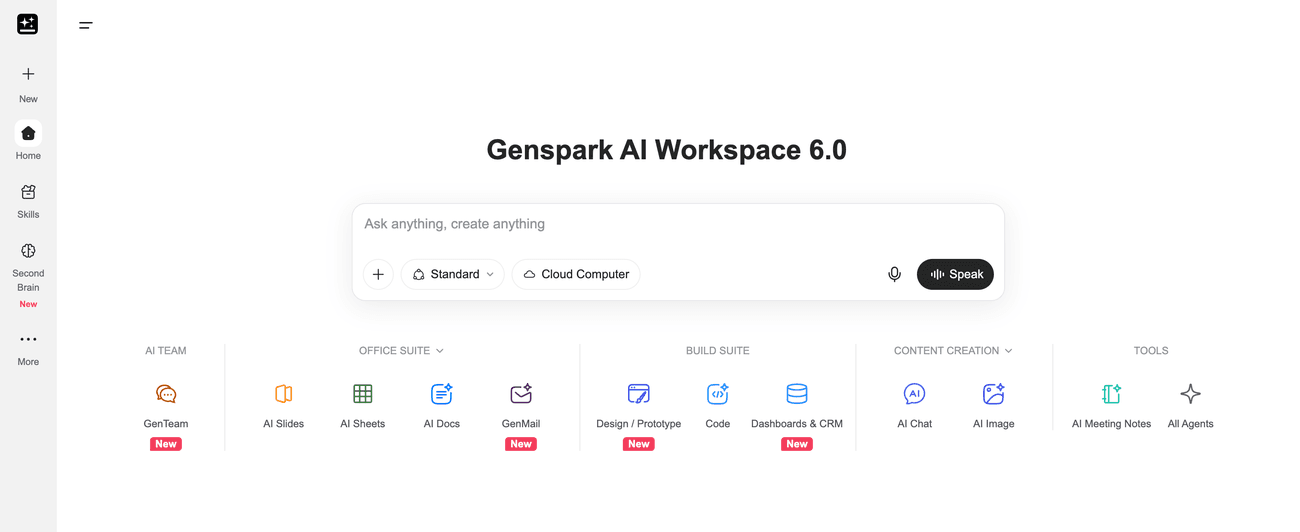
Compared with OpenWorker's local, integration-heavy model, Genspark is lighter and faster to start, and weaker on deep, persistent connection to your own files and apps. Think of it as the alternative for someone whose real job-to-be-done is agentic search and synthesis, not managing an inbox or calendar over months. It gets you a deliverable in one session without a Mac requirement or a key to configure.
Best for: Research, synthesis, and quick agentic outputs with no setup.
The trade-off: Shallower integration with your persistent personal tooling than a resident coworker.
Lindy: No-Code Email and Calendar AI
If the OpenWorker use case you actually wanted was inbox and calendar automation, Lindy targets that directly with a no-code builder. You compose agents by describing triggers and actions, and it handles the email drafting, meeting scheduling, and follow-ups that OpenWorker demoes, without a local install.
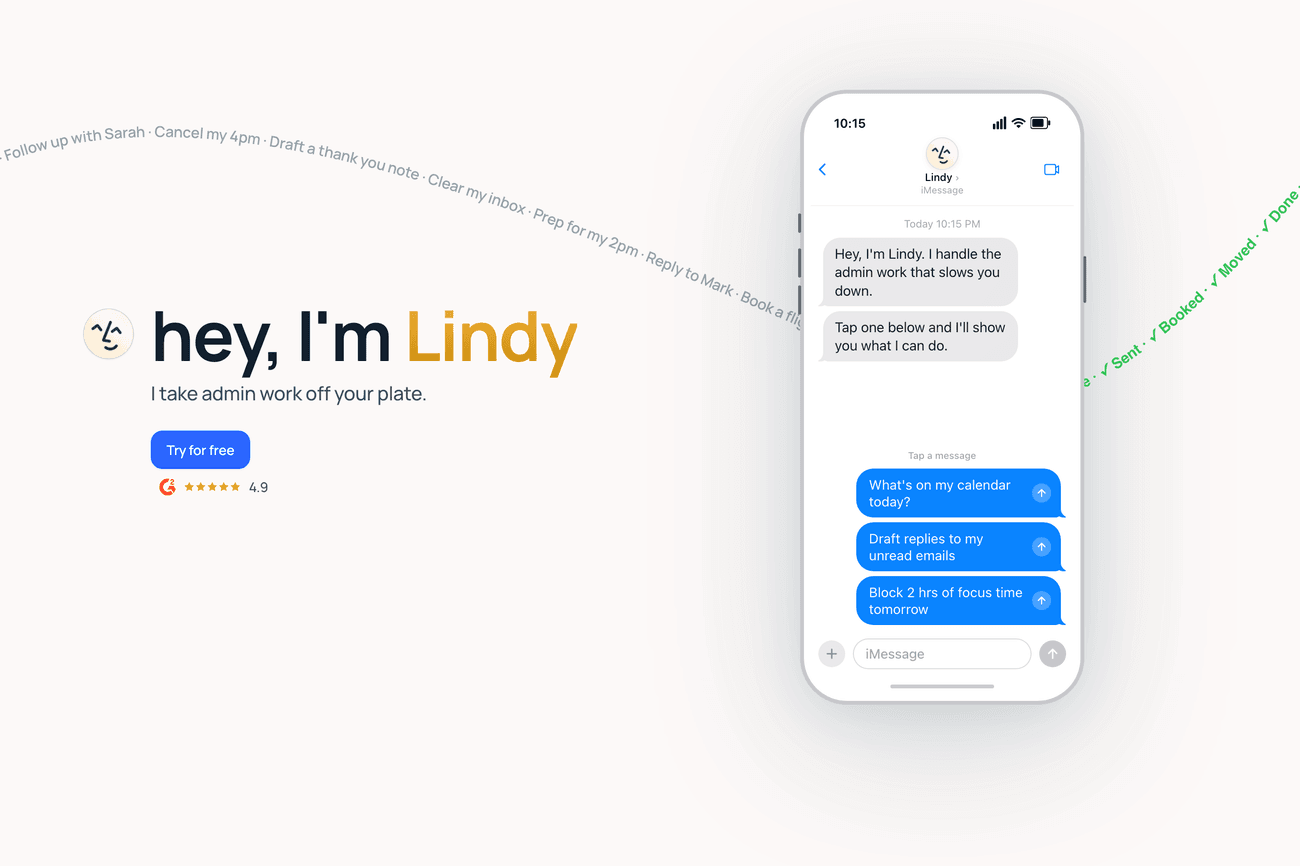
The contrast is breadth versus focus. OpenWorker is a general desktop coworker across 25-plus integrations. Lindy is narrower and more polished inside the personal-productivity lane. For a solo operator or small team whose pain is a chaotic inbox and calendar, Lindy's focus is a feature, not a limitation, and its no-code setup skips both the API key management and the maintenance OpenWorker asks for.
Best for: Email, calendar, and personal-assistant workflows without code.
The trade-off: Narrower scope than a general-purpose agent, and cloud-based rather than local.
n8n: Open-Source Workflow Automation
For people who liked OpenWorker specifically because it is open source and self-hostable, n8n is the natural cousin. It keeps the ethos, open code, run it on your own infrastructure, bring your own model, but expresses it as a visual workflow builder rather than a desktop coworker.
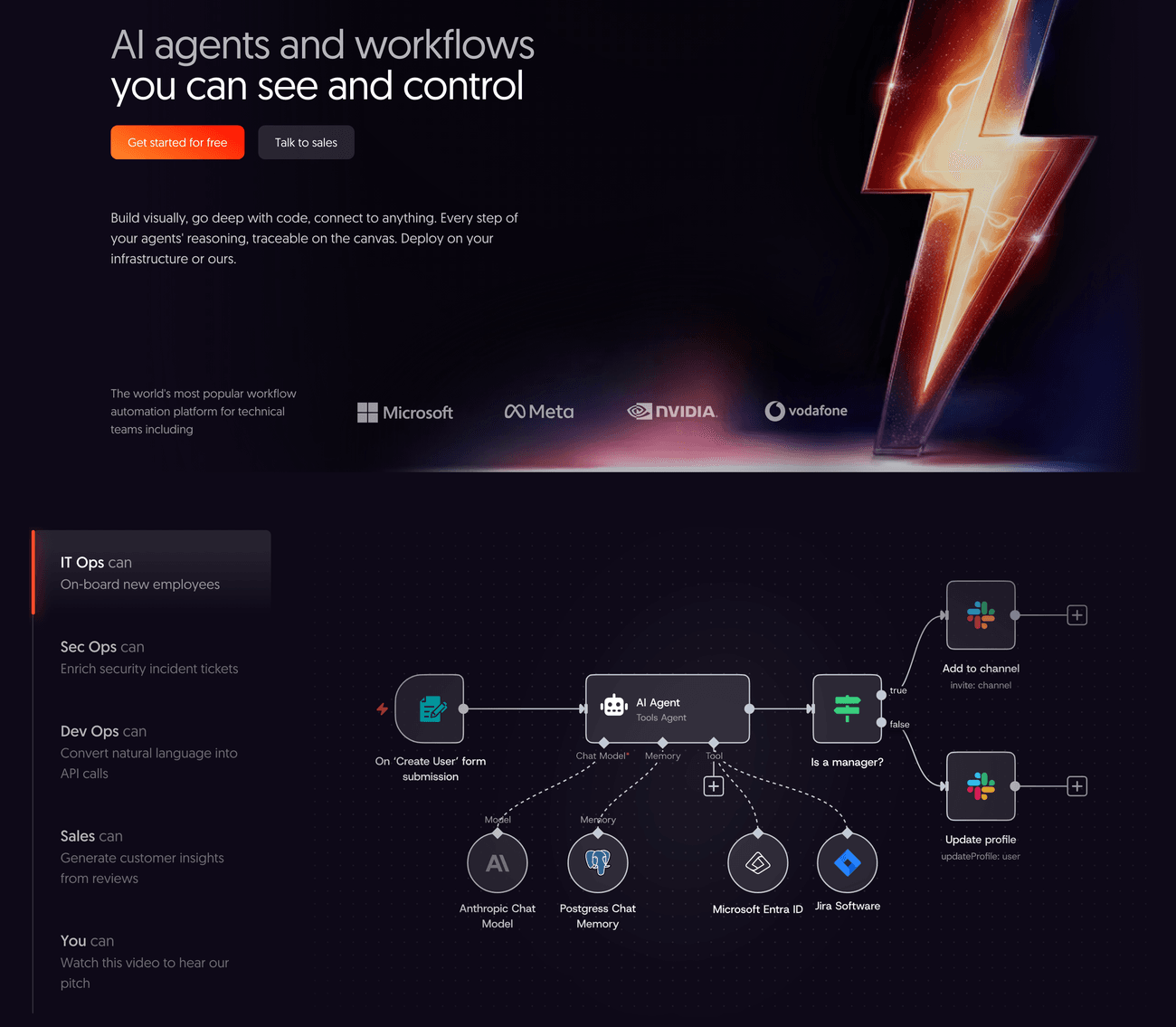
The difference is model versus metaphor. OpenWorker asks for an outcome and plans the steps. n8n asks you to design the steps as nodes, then runs them reliably, with AI as one node type among hundreds of integrations. If you want data sovereignty and are comfortable with DevOps, n8n gives you the same self-hosted control on any operating system, including the Linux servers OpenWorker still has no build for.
Best for: Developers who want open-source, self-hosted automation on any OS.
The trade-off: Workflow design has a learning curve, and self-hosting means DevOps overhead.
Dust: Enterprise Multi-Tool Assistant
Dust is the alternative when the real requirement is a company-wide assistant that reads across every tool, and OpenWorker's single-user desktop model does not scale to that. Dust connects Slack, Notion, Google Drive, GitHub, and more, then lets teams build assistants on top of that shared knowledge with governance and permissions built in.
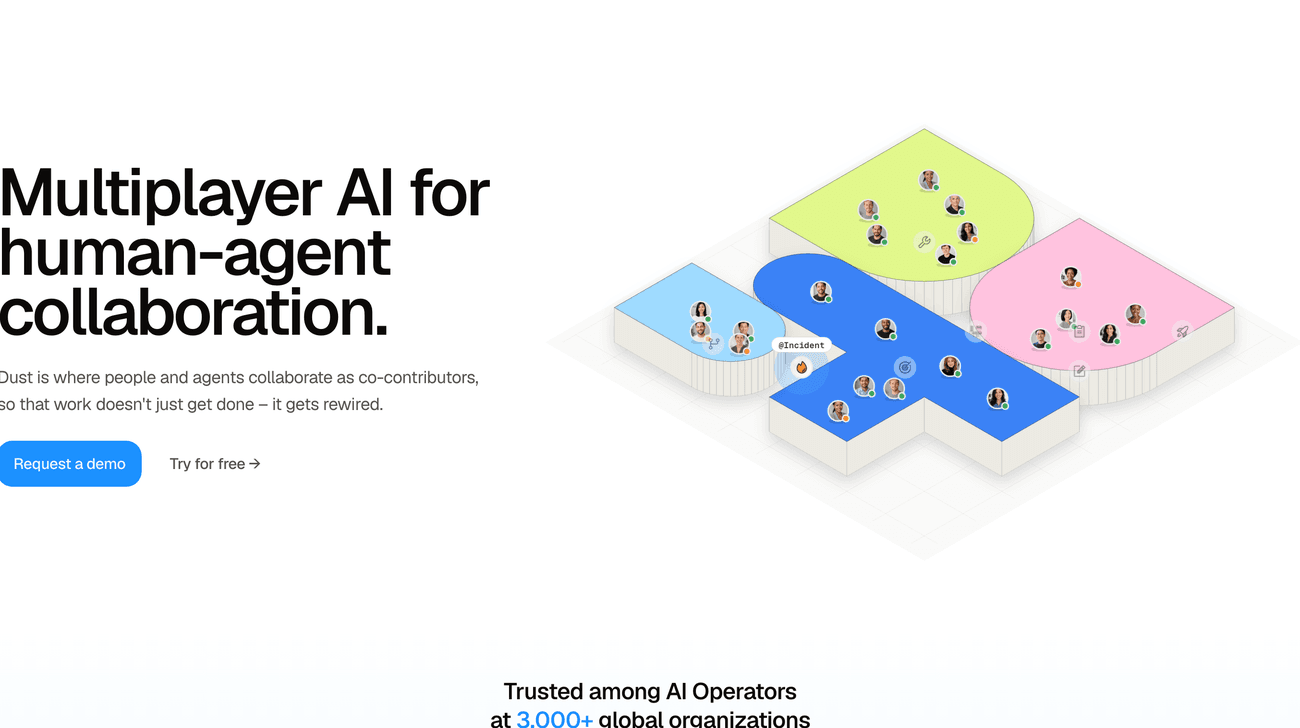
Against OpenWorker's local, personal footprint, Dust is cloud, multi-user, and organization-scoped. It trades on-device privacy for cross-team reach and admin controls. For a company that wants many employees querying and acting on shared context, rather than one person running an agent on their own Mac, Dust fits the org chart in a way a desktop coworker cannot.
Best for: Companies needing a governed, cross-tool assistant for many users.
The trade-off: Cloud and enterprise-shaped, with a steeper learning curve than a personal agent.
Zapier: AI Agents on Existing Integrations
If your stack already lives in hundreds of SaaS apps, Zapier is the alternative that meets you there. Its AI agents and automation sit on top of the largest integration catalog in the category, so the OpenWorker-style job of "watch this, then do that across my tools" runs against apps you already use, with no local component.
The honest framing: on Zapier, AI is a layer over a mature automation engine, not the core the way it is in OpenWorker. That makes it excellent for triggering actions across a big SaaS footprint and less oriented toward open-ended, plan-it-yourself deliverables. If breadth of integrations is your priority and you want zero install, Zapier is the pragmatic pick.
Best for: Teams automating across a large existing SaaS stack.
The trade-off: AI is an add-on to workflow automation, not a deliverable-first agent.
FAQ
What is the best free OpenWorker alternative?
n8n is the closest free and open-source alternative, since you can self-host it at no license cost and bring your own model, much like OpenWorker. Several cloud options, including MoClaw, Lindy, and Zapier, offer free tiers to start, though you pay as usage grows.
Which OpenWorker alternative works on Windows?
All of the cloud options here run in a browser on any operating system, so MoClaw, Manus, Genspark, Lindy, Dust, and Zapier all work on Windows today. n8n self-hosts on Windows, macOS, or Linux. OpenWorker itself does ship a Windows installer, despite the "coming soon" label still on its homepage, but it is unsigned and its Windows-specific bug reports are the busiest part of the tracker, so a browser-based agent remains the lower-friction route on Windows.
Do these alternatives keep my data local like OpenWorker?
Mostly no. The cloud alternatives process data on their servers. Only n8n, self-hosted, matches OpenWorker's fully local model. If on-device privacy is your hard requirement, stay with OpenWorker or self-hosted n8n.
Which alternative is closest to OpenWorker's deliverable-first design?
MoClaw is the closest match in spirit: you describe an outcome and it produces the artifact, minus the local install and key management. Manus is close for one-off autonomous jobs.
How to Pick the Right OpenWorker Alternative
Do not shop for the single best OpenWorker alternative. Shop for the one that removes the exact step where OpenWorker blocked you. If the wall was the key setup or the unsigned Windows installer, a managed cloud agent like MoClaw erases both. If it was scale across a team, look at Dust. If you loved the open-source part and needed it on Linux, which OpenWorker still does not build for, self-hosted n8n keeps that ethos on any OS.
That trade is not unique to OpenWorker either; it runs through the whole late-July wave of humans and AI agents working in parallel. The pattern that repeats across all seven is a single trade: convenience for control. OpenWorker gives you maximum control and asks for maximum setup. Each alternative on this list hands back some setup time in exchange for some of that control. Decide which side of that line your work actually needs, pick the one option that matches, and ship one workflow before you evaluate a second. That discipline beats chasing the longest feature list every time.
Continue Reading
More Comparison
Managed OpenClaw Alternative: No Self-Hosting

AI Agent Platform Comparison: 7 Picks for 2026

Self-Hosted AI Agent Alternatives 2026

Persistent AI Cloud Computers: 2026 Guide

OpenCode vs Claude Code: What Actually Differs

Lindy vs MoClaw: Teammate or Cloud Computer?
The MoClaw editorial team writes about workflow automation, AI agents, and the tools we build. Default byline for industry overviews, listicles, and collaborative pieces.
Choosing between tools? Let MoClaw run the work.
Always-on AI assistant on its own cloud computer. No switching required, no setup.
References: OpenWorker on GitHub (MIT license) · OpenWorker official site and FAQ · aisuite: unified interface to multiple LLM providers · Manus autonomous AI agent · Genspark agentic AI · Lindy no-code AI assistant · n8n open-source workflow automation · Dust enterprise AI assistant · Zapier automation with AI agents