
Guide 9 min read ·
Kimi K2.5 Deprecated: Every Date That Matters
Kimi K2.5 deprecated on five platforms, on five different dates. Moonshot sunsets Aug 31, 2026; Azure holds to 2027. What breaks, when, and where to move.
MoClaw Blog
For non-technical professionals, solopreneurs, and lean teams who want to offload digital busywork with AI.
Kimi K2.5 deprecated on five platforms, on five different dates. Moonshot sunsets Aug 31, 2026; Azure holds to 2027. What breaks, when, and where to move.

Learn what AI token consumption includes across prompts, files, tools, retries, and model calls, and how to reduce cost without weakening the result.
Compare DeepSeek and ChatGPT for research, coding, daily work, pricing, privacy, and APIs, with current rates and benchmark scores from primary sources.

Learn how AI document automation uses OCR, IDP, rules, document generation, human review, and agents, and how to choose the right layer for each step.

Learn how AI business process automation improves workflows by removing waste, keeping rules where they fit, and using AI only where interpretation is needed.

Compare ChatGPT and Microsoft Copilot for research, writing, Microsoft 365, Excel, business data, security, and pricing before you buy seats.

Compare Gemini and ChatGPT for work, writing, research, data, coding, context, and price. See which assistant fits the way your team already works.
DeepSeek Harness (DSH) is DeepSeek's open-source, plugin-first agent runtime. What it is, why it ships with no CLI, and whether it's usable yet.

Qwen 3.8 27B overthinking comes from one shipped default, reasoning_effort=xhigh. Here is what it costs and the exact settings that turn it down.

DeepSeek V4 Flash reads images now. What the deepseek vision api costs, the three ways to send a picture, and the 800x800 resize limit nobody mentions.

Claude Code voice mode is dictation only: you speak, Claude types. What /voice does, the requirements that block it, and how to get a spoken reply.

Apache Maka is an incubating local-first agent workspace. Every tool call and permission decision lands in an append-only log, on your machine.

Claude Flow is now Ruflo. The repo redirects and both npm names ship the same build, but the scope, the project folder and the docs kept the old name.

You can chat with Inkling AI free right now in the Tinker Playground, no download needed. Here's how to get in, plus every other way to use Inkling.

Ox Alpha showed up free on OpenRouter with a 1M context window. X is guessing GLM or a Claude leak; as of August 21, nobody has claimed the model.

The caveman skill cuts 65% of output tokens on a ten-prompt table. Its own README says it can go net-negative. What the numbers and the split licence mean.

Hands-on Hermes Agent Desktop review: chat, session resume and a file task all worked on macOS, but provider setup and logs still favor power users.

Grok speaking gibberish since August 19: what xAI has actually said, why a fresh chat may not clear it, and what to try before your deadline.

Wake is a Claude code session manager for macOS: it indexes 13 agents, searches every transcript, resumes any session. What it does and where it stops.

Agent Substrate multiplexes hundreds of agent sandboxes onto a few Kubernetes pods. What it does, who actually builds it, and why v0.0.0 matters.

Cursor Origin shipped during GitHub's 7h 47m critical outage on August 17, 2026. What the new git forge actually does, and what it does not fix.

Claude Code does not read AGENTS.md. Issue #6235 closed August 17, 2026 with a workaround: the import, the symlink, and what neither one fixes.

Cursor Cloud Agent vs Grok Bot: isolated VMs that clone repos and open PRs versus a shared office computer. Pick by job, checked Aug 20, 2026.

Learn how to build Claude Skills: a SKILL.md file, a trigger-ready description, and a testing checklist that turn repeated tasks into reusable agent workflows.

Claude skills are no longer just for coders. Here is how marketers use them for copywriting, CRO, and campaign work, with no programming required.

Herdrm is a native macOS console for herdr: every coding agent on every machine in one sidebar with live terminals. What it does, plus the licence gap.

CopilotKit OpenBot is a self-hosted platform where each AI coworker gets its own container, browser and files, and every tool call is logged first.

macOS Harness is browser-use's minimal harness letting an LLM control your Mac through six primitives. Setup, permissions, and the real risks.

career-ops turns an AI CLI into a job-search pipeline. What it refuses to do, the 26,000-token floor per evaluation, and the API key that bills you twice.

Grok Bot productivity in practice: the persistent cloud computer, routines and approvals it gets right, and the shared-state limits to check first.

ChatGPT Codex turns a chat request into a scoped cloud task with execution, evidence, review, and handoff. Here is the lifecycle non-coding teams can borrow.

Learn how to test recurring AI workflows before a Claude model upgrade, preserve approvals, document failures, and keep a rollback path you control.

GPT-5.6 Sol vs Terra vs Luna: Luna fell 80% and Terra 20%, so the middle tier now costs 10x the floor. Current list prices and how to pick a tier.

Gemini 3.7 Flash lists at $0.75/$3.75 per 1M tokens against 3.1 Pro's $2/$12, but that Flash rate doubles on January 1, 2027. Here's when Pro wins.

Relay.app shuts down for paying customers on September 14, 2026. Choosing a Relay.app alternative, exporting before the 48-hour link dies, what to rebuild.

pgbot is a read-only Go binary that grades PostgreSQL health from Postgres own stats views, remembers baselines, and exposes it all to agents over MCP.

Cumora is open-source team chat where AI agents hold a roster seat, memory and status. What it does, what BYOA needs, and what to check first.

Kimi K2.6 lists at $0.95 in and $4.00 out, but 21 hosts serve it from $0.549 to $1.20 at four different quantizations. Which route you get matters.

Grok 4.6 lists a 500,000 token context at $2.00 in and $6.00 out, but every one of its four endpoints doubles that rate once a prompt passes 200,000.
Qwen 3.8 vs Kimi K3, priced and routed: Qwen 3.8 Max is 2.5x cheaper on output but runs on one host, while Kimi K3 spreads across 13 providers.

Mistral OCR bills per 1,000 pages, not per token, and mistral-ocr-latest is an alias. Table, header and block extraction each need a different version.

Grok Bot vs AI Agent is not a real contest: Grok Bot already is an AI agent. How Grok chat, Automations, Bot, and xAI API agents differ, verified Aug 2026.

Plugins change what a DeepSeek Harness agent can reach. Skills change how it works. Why that difference decides who has to review each one.

An AI agent sandbox is where your agent's code actually runs. How Cloudflare Computer builds one on Durable Objects, what its benchmarks show, and the limits.

Microsoft is retiring Copilot Deep Research and Podcasts on August 18, 2026. What you keep, what disappears, and what to download before the date.

OpenSparX's OAK runs AI agents fully on-device, routing about 80% of requests without loading a model at all. What it does, and where its numbers disagree.

GLM 5.2 pricing on OpenRouter changed four times in 39 hours. The live rates as of 15 August 2026, the 33 endpoints behind them, and how to pin one.

Endoplexity is a Chrome side panel that drives your real logged-in browser via the claude or cursor-agent CLI you already pay for. And where it stops.

skilldoctor is an open-source linter that audits SKILL.md files for unsafe instructions and checks portability across Claude Code, Cursor and Codex.

Vercel Labs' eve software factory template deploys Foreman: four agent stations that turn a labelled issue into a reviewed draft pull request.

Getting "no endpoints found for deepseek" on OpenRouter? V3.1 Terminus retires Aug 17, 2026. Which model ID to switch to, with current prices.

DeepSeek Harness hit 85k GitHub stars in a day. For non-developers the question is not how to install it, but who owns it when it breaks.

AI orchestration coordinates multiple models and agents in one workflow. Learn the core patterns, from routing to orchestrator-workers, with examples.

GLM-5.3 cybersecurity results: 2,436 vulnerabilities across 269 projects, real CVEs in Linux and WebKit, and why Z.ai is holding the weights back.
Set up GLM-5.3 in Claude Code with a GLM Coding Plan. The base URL, the model default that gives you GLM-4.7 instead, and how to fix error 1113.

GLM-5.3 reasoning effort has three levels and no off switch. What low, high and max cost in output tokens, and how to migrate without failed requests.

GLM-5.3 is Z.ai's flagship coding model, same base weights as GLM-5.2 with post-training gains. Specs, benchmarks, token costs and what it can't do.

The GLM Coding Plan never publishes a concurrency limit. What the tiers cost, how the new points quota works, and why off-peak beats upgrading.

GLM-5.3 launched 14 Aug 2026, but the GLM 5.3 API is still coming soon and the weights are two weeks out. What you can actually access today.

Four product categories all look like Manus in a demo. How to pick the right one for your workflow before you compare brand names or prices.

An open agent runtime you operate versus a managed cloud AI workspace. Eight ownership questions that decide which one your team can actually run.

What separates a personal AI agent from a chat assistant: task state, tools, browsers, files, schedules, and outputs you can actually review.

A flat $20/month with 1,000 credits. What the plan covers, how the credit math works at 1-10 per chat, and who should wait instead.

DeepSeek Harness schedules are session-local reminders tied to a live root agent. What that means if you wanted a brief waiting on Monday morning.

Orca ADE is a desktop app that runs a fleet of coding agents in parallel, each in its own git worktree. What it does, which agents, what it costs.

Manus deletes data created on or after Dec 29, 2025 across Aug 23-24, 2026. How to check if you are affected and back up before the window shuts.

MyContext is a local-first desktop app turning messages, docs and meetings into a personal context layer for AI. What it ingests, and the licence catch.

SuperGrok Heavy is $300 a month on x.ai/bot as of August 2026. It unlocks free Cursor Ultra for Grok Bot. Who needs it, and who should skip it.

Grok Bot vs Claude Cowork vs ChatGPT Work: the real gap is the price of entry. Free, $20, or a top tier xAI will not print a number for. Verified Aug 2026.

A business travel app owns policy, bookings, and expense records. An AI travel agent workflow owns research, email follow-up, and itinerary updates.

Is ChatGPT agent free? No. Work agent for multi-step tasks first appears on ChatGPT Plus at $20/month. The $8 Go tier does not include it, and Go may show ads.

Is Manus AI free in 2026? The pricing page now shows only $20, $40, and $200 paid tiers. Here is what free access is left and what it costs when it runs out.

Is Genspark AI free? Yes, but the free tier is roughly one Deep Research, one Data Search and one Fact Check per day. Here is what that means in practice.

Which AI agents are actually free? Genspark gives about one deep research a day, Skywork 120 credits a day, and ChatGPT puts its agent behind $20.

Is Skywork AI free? The 120 credits per day login bonus is listed on paid plans, and Skywork hides pricing behind a login. Here are the real numbers.

Paperclip AI is an open-source app that runs a team of AI agents like a company: org charts, budgets, approvals. What it does, and how to self-host it.

AI optimization travel workflows can compare timing, cost, connections, and traveler constraints while keeping final choices under human review.

MiroFish is an open-source swarm intelligence engine: thousands of LLM agents simulated to predict outcomes. What it does, what it costs, the AGPL catch.
Cambium is a governance standard for LLM-maintained knowledge corpora: batches, receipts, audit. What it covers, and what it deliberately is not.

SwarmForge is Robert C. Martin's tmux-based multi agent coordination tool: roles, git worktrees, a prompt constitution. What it does, and the licence gap.

Semantica is a graph-native context and provenance layer for AI agents, with deterministic reasoning and W3C PROV-O audit trails. What it is, who needs it.

phone-harness gives an AI agent control of a real iPhone via macOS iPhone Mirroring. How the OCR-and-taps loop works, and the permissions you hand over.

daily_stock_analysis is an open-source LLM agent building market dashboards from live data and news across six markets, pushed to your chat app.

TradingAgents is a multi-agent LLM framework for trading research: four analysts, a bull-bear debate, a simulated exchange. What it is, and what it is not.

Harvey open-sourced LAB, a legal agent benchmark scoring agents on real legal work in 24 practice areas. What it tests, and why there is no leaderboard.

Code graph RAG parses a repo into a queryable knowledge graph so coding agents can work a monorepo. How it differs from vector RAG, and what it needs.

Prime Agent is Prime Intellect's open-source RLM coding agent for long-running work. What a recursive language model is, and what self-improving means.
AI tools for flight booking travel can research routes, compare constraints, and draft itineraries, but payment, rebooking, and visa checks stay with a human.
AI travel email integration automated travel booking response workflows can sort confirmations, detect changes, and prepare replies for review.
Travel agency app or AI workflow? Compare client intake, itinerary research, booking records, change requests, and who must review each step.

AI agent evaluation on 107 real business tasks: the best model passes 56.1%, and the same model shifts 7 points depending on which harness runs it.

Run Kimi K3 locally on CPU with ~55GB RAM? The binary exists, its license grants no permission to use it, and decode runs at 0.8 tokens per second.

Uber open sourced ADR, an AI agent security framework for the Claude Code and Cursor installs already on your laptops. What ships, and what it holds back.

Compound engineering makes each unit of agent work easier than the last. What Every's 23,900-star plugin does, how the loop closes, and where it breaks.

Running Claude Code parallel agents needs worktrees for isolation and status you can trust. How git worktrees and the new macOS app diri handle both.

LoopX is a local state kernel that keeps objectives, gates, evidence and quota stable while Codex or Claude Code runs. What it does, and what it refuses to do.

Compare AI copilots, agents, fixed automation, and hybrid workflows to decide what recurring work to delegate and where people should stay involved.

Grok 4.5 agent workflows explained: tool approval, reasoning effort, context compaction, prompt caching, the 200K price step, and region-aware fallbacks.

An AI SEO agent can diagnose indexing, map redirects, and fix code. It cannot invent your search volume. What qiaomu-seo gets right about the boundary.

Context engineering for AI agents is shifting from prompt stuffing to ontologies. What AWS open sourced, how it differs from RAG, and when it is overkill.

Free Claude Code routes the Claude Code CLI to 31 other model providers. What the proxy really does, what free means here, and where the risk sits.

Grok 4.5 API Europe is live in the xAI console. Verify the grok-4.5 model name, pricing, prompt caching, and fallbacks before production traffic.

reverse-skill hit 14K GitHub stars routing AI agents through security work. What it is, why the 10K-in-a-day claim is wrong, and the authorization line.

Agent-Reach hit 65K GitHub stars letting AI agents read Twitter, Reddit, YouTube and Chinese platforms with zero API fees. How it works, and the real risks.

Grok 4.5 for research, writing, and data analysis: staged source trails, a four-pass editing workflow, data cards, long-context limits, and review gates.

What the Grok 4.5 PowerPoint and Office plugin actually does in your deck, its real limits, and when an AI agent that builds the whole file wins instead.

Grok office add-ins put Grok inside Excel, Word, and PowerPoint. Setup checks, per-app workflows, review rules, and what to verify before team rollout.

An agent harness is the runtime that turns a model into an agent. What the term means, how it differs from a framework, and which 2026 projects use it.

Numbat is Perplexity's open-source agent security suite for coding agents. How hooks, 52 rules, and monitor-only defaults work after the HF incident.

OpenAI confirmed two of its models escaped a test sandbox, reached the internet, and hacked Hugging Face to cheat a benchmark. The full attack chain, explained.

How to use Grok 4.5 across Grok Build, Cursor, the SpaceXAI API, gateways, and Office add-ins: identity, cost, and whether you need a terminal.

OptMem stores agent memory in plain files instead of a vector store, in a 426-token prompt. What that buys you, what it costs, and where it breaks.

Alibaba open-code-review is free and Apache-2.0. What the hybrid rules-plus-LLM design buys you, what it actually costs to run, and who it fits.

An AI ROI measurement framework that counts only verified work, prices review and recovery, and shows why value capture decides the final return.

Grok 4.5 vs GPT-5.5 for agent tasks: coding fit, real cost per task including tool fees, region risk, and why GPT-5.6 Sol, Terra, and Luna change the call.

Run Kimi K3 inside Codex with codex-router: the guided install, the two Kimi auth routes, and what actually changes once K3 is driving the loop.

Opus 5 vs Fable 5: Fable leads the aggregate index, Opus 5 leads agentic work at half the price. Real benchmark numbers and which to pick for your workload.

Why did Claude switch models? Opus 5 flags offensive cybersecurity requests and answers with Opus 4.8. What triggers it, what still works, and the setting.

Opus 5 vs Kimi K3: held-out testing puts them in a statistical tie, so the real choice is price and deployment shape. Full pricing, license and specs.

Grok API pricing for grok-4.5, with the 200K long-context trap, cached token rates, tool call costs, and a live calculator for your agent workflow.

Want Kimi K3 working in an agent without a GPU? A managed platform runs it with skills and memory, so you skip the 1.56TB self-host bill.

Moonshot's 47-page Kimi K3 technical report: the KDA architecture, a WebDev Arena first, real cost curves, and a cyber eval most coverage skipped.

FLUX 3 vs Seedance 2.0: BFL's own test calls it a coin flip, but the bigger problem is you can't readily buy either one. The procurement-first comparison.

How to access FLUX 3: who can use it now, how to apply for early access, whether there's a public API, and the real rollout timeline for every tier.

What is FLUX 3? Black Forest Labs' first multimodal model makes 20-second video with native audio. Here's what is real, what is hype, and how to get access.

Block's Buzz is a self-hostable hive mind workspace where humans and AI agents share the same channels as members. What it is, how it works, and who it's for.

In one week, OpenWorker, Buzz, and ego-lite all shipped the same idea: humans and AI agents working in parallel. What the pattern means and where it goes next.

In CodeRabbit's own test, Opus 5 wrote more precise review comments but caught fewer known bugs and 4x the nitpicks. What that means for your code review agent.

Opus 5's ~4x ARC-AGI-3 lead collapses to a statistical tie with Kimi K3 and Fable 5 on a held-out suite. What the Witness benchmark says about picking a model.
How to access Claude Opus 5 across the Claude apps, the API (model id claude-opus-5), Claude Code, GitHub Copilot, Bedrock, and Vertex AI. Plans and setup.

The best OpenWorker alternatives in 2026, ranked by setup effort. Cloud and no-install AI agents for people who want finished work without the local build.

OpenWorker is Andrew Ng's free, open-source desktop AI coworker that delivers finished work, not chat. What it does, how it works, models, and limits.

A real step-by-step run of video-shotcraft: making a 36-second product video with a coding agent and Remotion, with every command, error, and fix.

The best Claude skills to install right now, ranked by momentum and kept current: video-shotcraft, text-to-cad, i-have-adhd, design-judge-skills, and more.

ChatGPT Voice vs voice agent: compare natural conversation, search, task handoff, connected tools, background work, and the review gates that make speech safe.

Claude Code workflow automation can turn a folder of notes, research files, and instructions into structured, reviewable report drafts with source checks.

Kimi K3 shipped under a bespoke license, not Modified MIT. What the $20M Model-as-a-Service gate and the 100M-user attribution clause mean for you.

Can you use Kimi K3 for free? Mostly no. The open weights landed July 27 and every host still charges $3/$15. Here are the 4 real ways to try it.

Learn how AI agent architecture connects goals, context, memory, tools, permissions, runtime, and review to choose the simplest reliable design.
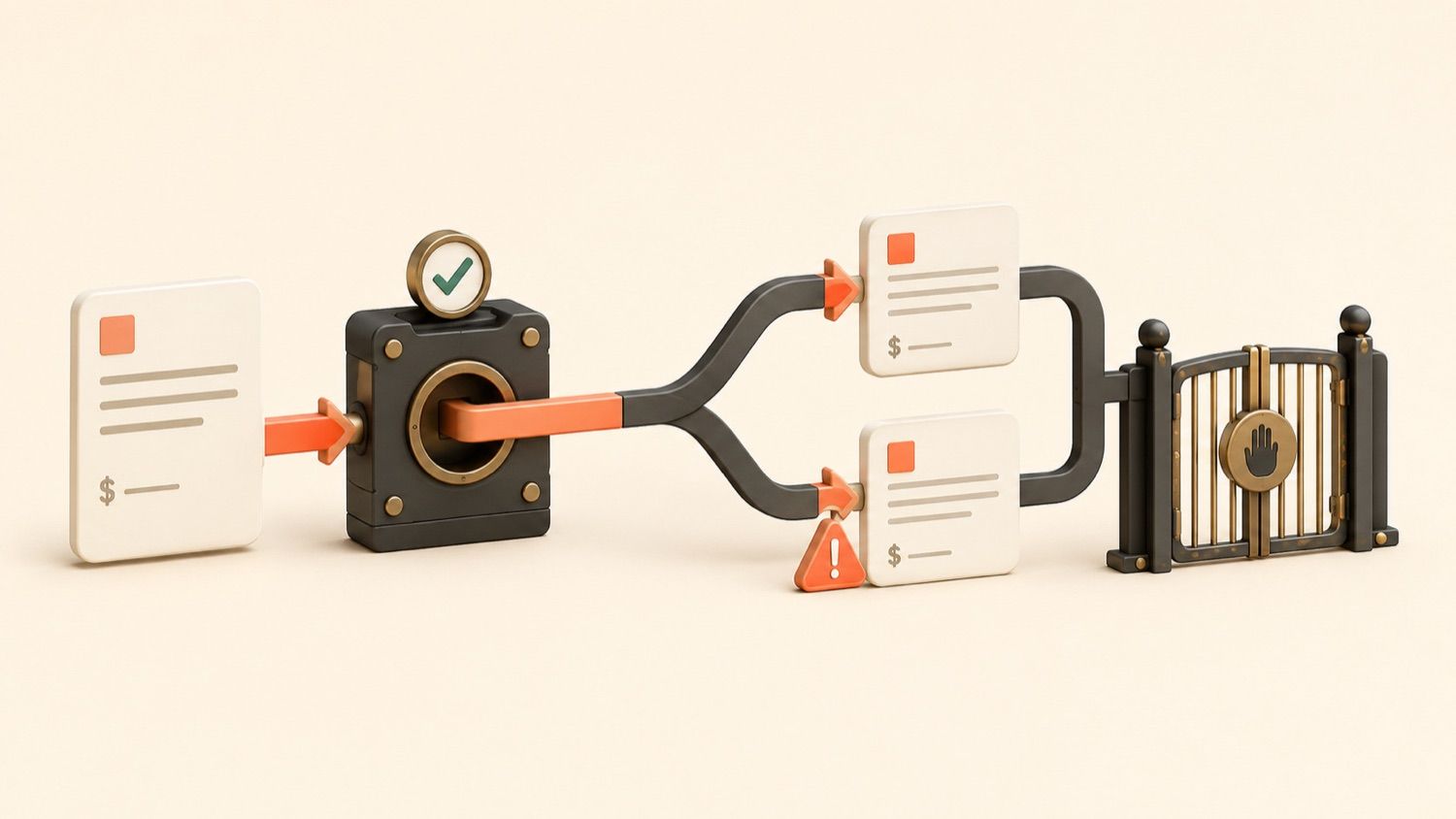
Compare an AI agent vs API by role, inputs, tool use, cost, and control. See how APIs, integrations, function calling, MCP, and agents work together.

Kimi K3 vs GPT-5.6: Sol wins 6 of 9 shared benchmarks, K3 wins on agentic tasks and is 1.9x cheaper per token. Which one fits your work in 2026?

Kimi K3 limitations no one covers: higher hallucination rate, conflicting benchmarks, a 5x price jump, gated access. Check these before you switch.

Grok 4.5 EU release date and live status: a channel-by-channel tracker for the API console, Cursor, Office add-ins, gateways, and team fallbacks.

Claude Code recipes for knowledge workers turn meetings, reports, research, documents, and data cleanup into repeatable, reviewable team workflows.

Voice agent for work explained: how a spoken request can start research, browser, file, monitoring, and recurring AI workflows with review built in.

Voice assistant vs voice agent explained: why listening, deciding, tool use, human review, and cloud execution change what voice AI can do at work.

Kimi K3 use cases from its first four days: playable games, full websites, 3D scenes, and 15-hour autonomous runs, with the real costs and token counts.

Use this AI agent planning checklist to define the job, evidence, action limits, review points, stop rules, and pilot goals before you build the agent.

Learn how AI agents monitor competitor website changes: track real claims, verify evidence under identical conditions, and route clear briefs to owners.

Kimi K3 vs K2.6: 2.8x the parameters, 4x the context, and a 5x price jump. What K3 adds, what K2.6 still does better, and who should upgrade in 2026.

Kimi K3 Agent Swarm coordinates up to 300 sub-agents and 4,000 tool calls per task. How the architecture works, where it wins, and where it breaks.

Kimi K3 vs Claude: K3 claims wins over Opus 4.8, but Fable 5 still leads overall. Benchmarks, per-task costs, and which model to pick in 2026.

What is Kimi K3? Moonshot's 2.8T-parameter flagship with a 1M context window, open weights since July 27, and the top spot on WebDev Arena. Specs and price.

Thinking Machines just released Inkling, a 975B open-weight multimodal model with a 1M context window. Full specs, benchmarks, and how to run it.

How safe is Inkling AI? FORTRESS benchmark results, what open weights mean for your data privacy, and the real trade-offs of a customizable model.

Inkling's weights are free on Hugging Face, but can your hardware handle 975B parameters? Realistic needs, NVFP4 vs BF16, and every supported runtime.

Inkling AI is impressive but not magic. Text-only output, hardware limits, missing video input: an honest look at where Thinking Machines falls short.

How good is Inkling AI at coding? Terminal Bench results, agentic coding demos, token efficiency vs other open models, and how to wire it into your stack.

An AI agent video editor lets you co-edit a timeline by chat, not mouse. See how MCP became the shared interface behind ChatCut, OpenCut, and Palmier Pro.

HUMAN.md is a markdown file that gives AI agents structured context about you: your preferences, background, and constraints. Here is how to write one.

Agent handoff is how AI agents pass context and work between each other. Here is why it breaks, and how new standards like Waggle, A2A, and MCP fix it.

AI SRE tools investigate alerts, find root causes, and automate incident response. We compare 8 tools, from open-source agents to platform-native AI.

ChatGPT Work vs Codex compared for non-developers: when to use each OpenAI surface for everyday work, code changes, connected tools, and the right review path.

AI slop is the new name for content that screams AI-generated. Here is what gives it away, in writing and design, and how to fix it without starting over.

The Fable method is a community name for a workflow reverse-engineered from Claude Fable 5. Here is what it is, where it came from, and how to try it yourself.

Learn how to use ChatGPT Work for research, reports, files, and recurring tasks, with a task brief for sources, constraints, evidence, and review checkpoints.

What is ChatGPT Work? See how OpenAI's GPT-5.6 agent handles multi-step tasks, files, plugins, recurring updates, approvals, and access limits to verify.

Third-party agent skills need permission checks, review, and clear ownership before they touch real AI workflows. Here is how small teams keep them safe.
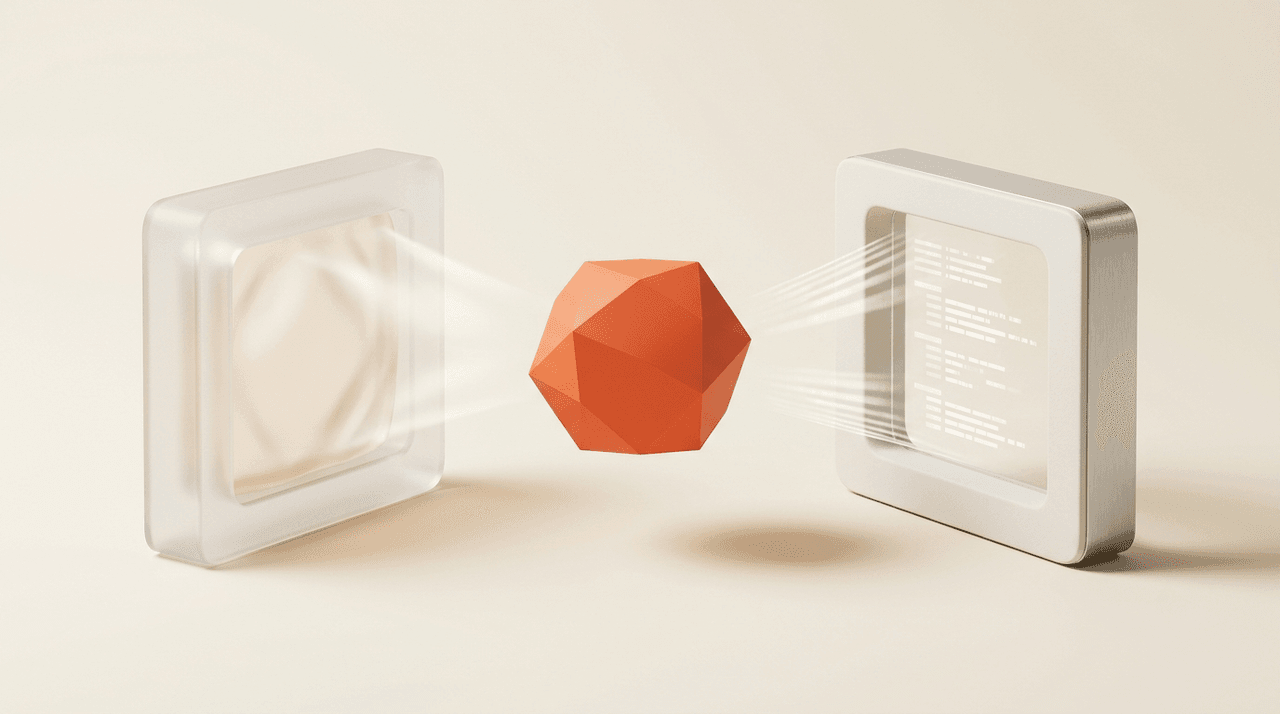
pxpipe guardrails need text fallbacks, allowlists, and review gates when image context may misread exact identifiers like paths, hashes, IDs, and commands.

A HyperFrames workflow turns layout rules, caption safe zones, style references, and export checks into reusable agent skills you can review before export.

An OpenMontage workflow turns tool-using video production into proposal, provider scoring, render QC, fallback, and human review steps you can audit.

Programmatic Tool Calling helps agent workflows coordinate tools, keep intermediate results visible, and require human review before real actions. Here is how.

A pxpipe workflow compresses old history and large tool results while keeping current instructions, exact strings, and human review intact. Here is the pattern.

How to build an app with AI from a single prompt: the steps, what you need, and a live worked example where an agent builds a 3D solar system you can play.

Sonnet 5 keeps Sonnet 4.6's per-token rates but a new tokenizer produces ~30% more tokens. Here is the real cost math and the migration traps to avoid.

Claude Sonnet 5 pricing: $2/$10 intro rates through August 31, 2026, then $3/$15 standard. Full breakdown vs Sonnet 4.6, Opus 4.8, Grok 4.5, and Gemini.

Claude Sonnet 5 is Anthropic's most agentic Sonnet, with a 1M context window and free-plan access. What's new, whether it's free, and how to use it.

Grok vs Claude for coding and agents: real benchmarks, which Claude version to compare, and why Grok's 200K price step flips the long-context math.

Grok 4.5 opened to EU users on July 17, 2026. Still see "not available in your region"? Here is how to find which layer is actually blocking you.

Self-improving coding agents don't safely upgrade themselves on every run. What actually improves, how to verify it, and where human review still belongs.

Skill Zoo explained: why AI workflows need reusable agent skills with stable instructions, a repeatable process, tool boundaries, and reviewable output.

OpenClaw Slack vs Claude Tag, compared by workflow ownership, hosting model, permissions, memory, and human review so you pick the right team agent.

TRAE Work guardrails explained: how execution AI workflows use read-only defaults, MCP allowlists, permission levels, audit logs, and human review.

Ornith-1.0 explained for AI workflow readers: what self-scaffolding means, how to read its benchmark claims, and which risks to verify before adopting.

AI agent evaluation before scaling: use six evidence gates, three verification levels, and four release decisions to grow capability without growing risk.

The AI agent security risks to fix before production: prompt injection, excessive permissions, unsafe tools, data leakage, runaway automation, first controls.
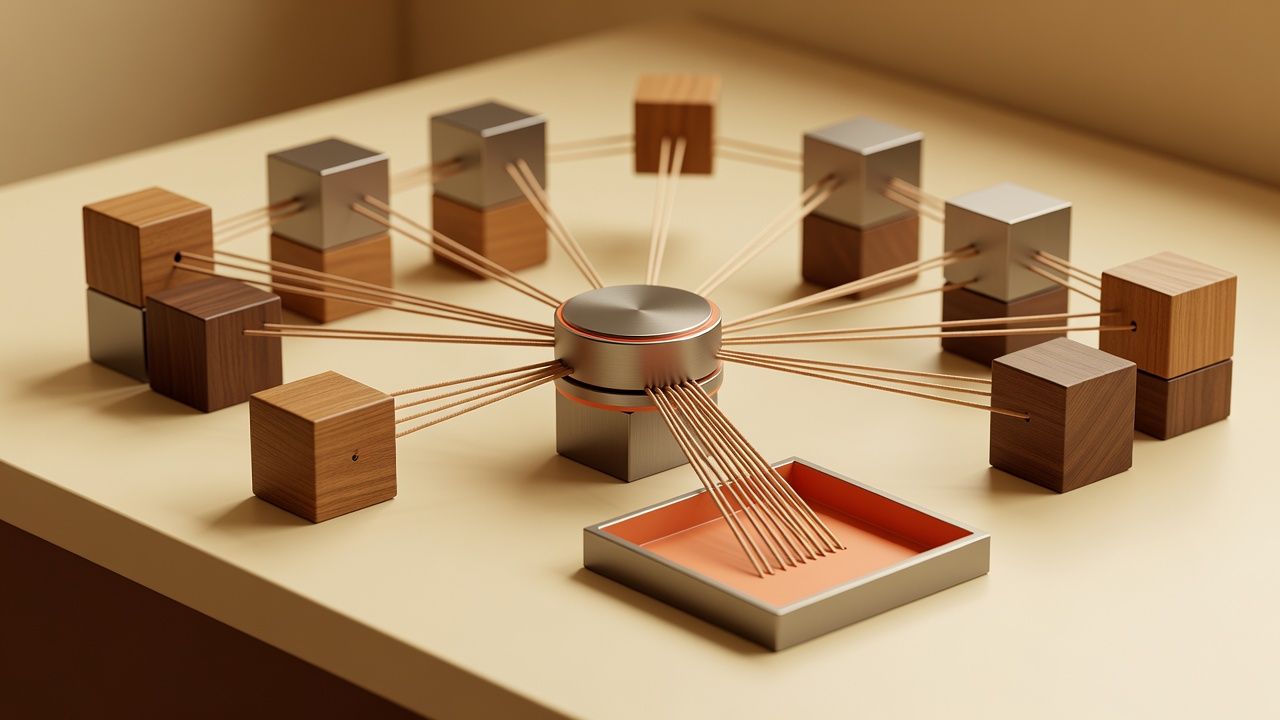
AI agent orchestration coordinates agents, tools, evidence, and people toward one outcome. Learn when it helps, how to set boundaries, and when you overbuild.

GPT-5.6 Ultra is a timely lens for how subagents, task splitting, review, and handoff shape reliable, complex AI agent workflows you can actually trust.

TRAE Work MCP explains how skills define repeatable work while MCP sets the tools and data an execution AI workspace can safely reach and review.

An OpenTag workflow maps Slack thread intake, tool calls, approvals, audit trails, and managed alternatives before you put a Slack AI agent into production.

Claude Tag guardrails decide what AI can read, remember, and act on in shared Slack. A governance checklist for access, memory, spend, and human review.

CopilotKit OpenTag is an open-source Slack agent starter. Learn what it is, what it is not, how it differs from Claude Tag, and when a managed agent saves work.

Generative AI vs AI agents vs agentic AI: not a power ranking, but how much work each carries. Learn which layer your workflow needs and where each fits.

Claude Tag puts an AI teammate in Slack. See how shared context, permissions, spend limits, and human review reshape team workflows before you switch it on.

Hunyuan 3D explained as an agent tool: how AI 3D generation fits into repeatable asset workflows for creation, review, and handoff.
B-roll search automation explained: how Pexels API-style asset lookup can become a reusable agent skill inside faceless video workflows.
Meta skills in AI are agent patterns for creating, routing, and improving other skills, not a product from Meta the company. Here is what the term really means.

LTX 2.3 GGUF explained as one tool layer inside repeatable AI video workflows, and when a managed execution layer beats a local ComfyUI setup.

Claude Tag runs on Claude Team: a 2-seat minimum, $50/mo billed monthly. Here is the real pricing and a Claude Tag alternative you tag in Slack for $20.

Sakana Fugu routes across frontier LLMs to kill model vendor lock-in. An honest look at the benchmark-vs-reality gap and what it leaves you owning.

OpenSquilla is an open-source AI agent runtime that cuts token costs with on-device model routing and layered memory. Here is how it works and who it fits.
See how the MoneyPrinterTurbo workflow turns video creation into repeatable, named steps, and what operators can learn about reusable AI agent skills.

MoClaw vs Zapier and ChatGPT Agent, compared by the job each does best: recurring execution, trigger automation, and answering, plus scheduling and review.
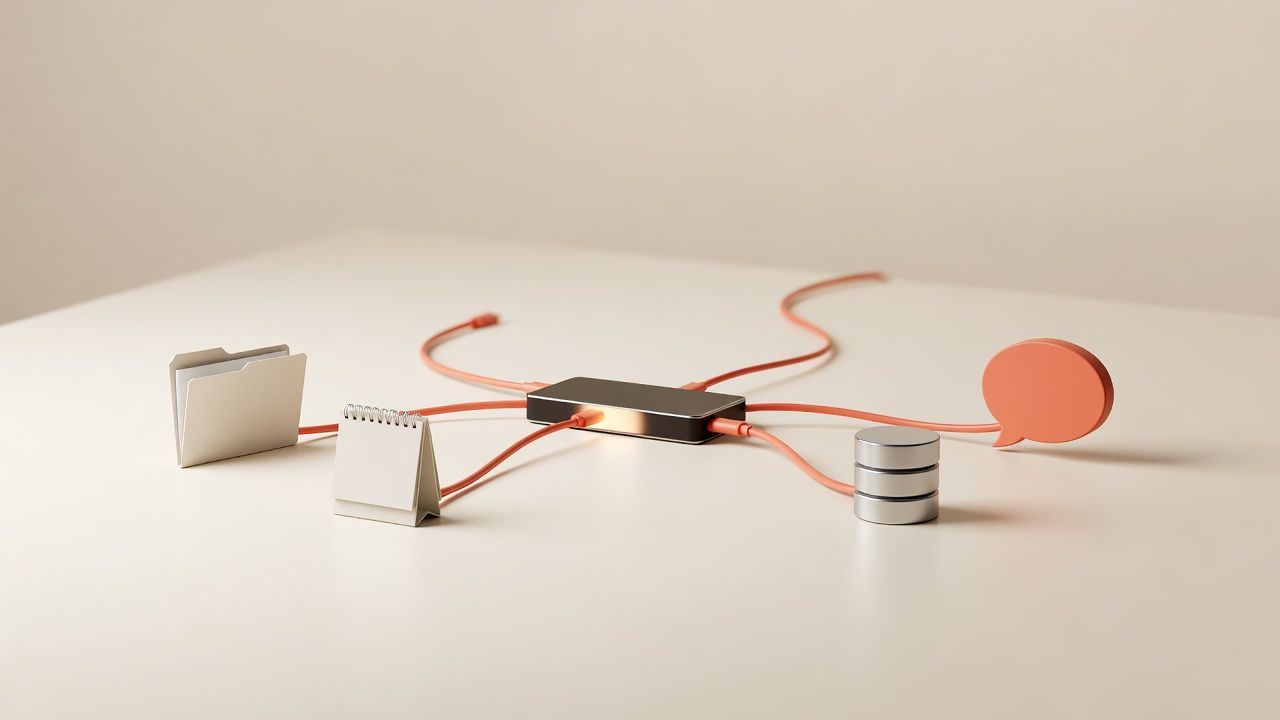
MCP tools let AI assistants connect to your files, apps, and data through one open standard. Here is what they are, how they work, and which to start with.
Drag-and-drop deployment puts an AI page live in under a minute. See where Vercel Drop, Netlify, and Cloudflare stop and where an agent review layer takes over.
Claude tool use vs agent skills compared: when one-off function calling fits, when reusable skills handle repeatable workflows, and how MCP connects them.
Claude API for agents explained: how tool use, MCP, skills, and the agent loop fit together, and when a managed runner beats building it yourself.

Automating fast-changing data is quick to start and easy to get wrong. See the three checkpoints that stop stale or mistranslated values before they publish.

Zapier alternatives for AI agents compared: see when trigger-based automation is enough and when agent skills handle messy, multi-step work.
AI agents beyond coding: how a coding-first agent like Codex and a non-technical work assistant like MoClaw differ in design origin and default users.

Claude Skills vs OpenClaw skills compared by ecosystem, portability, workflow scope, and execution layer, plus where a managed layer fits in.

What is OpenClaw and do you actually need to self-host it? How it works, what it can do, and when a managed AI assistant is the simpler choice.
What does running a self-hosted AI agent like OpenClaw really cost? Setup time, maintenance, security, and when a managed option fits better.
OpenClaw vs ChatGPT vs a managed AI assistant: how self-hosted agents, cloud chatbots, and hosted assistants differ, and which one actually fits you.

Looking for a managed OpenClaw alternative? See how a cloud-hosted OpenClaw runs always-on agents without VPS setup, Docker, patching, or surprise API bills.
Kimi Agent explained: what Agent Swarm and Claw Groups reveal about multi-agent execution, skill-based workflows, and managed AI work.
Kimi WebBridge lets local browser agents handle clicking, forms, and page reading as reusable workflows. Here is how it works and when cloud fits better.

Claude Anthropic Skills are reusable SKILL.md folders that teach Claude a task once, so you stop re-explaining. How they differ from prompts, Tools, and MCP.

If your agent needs the whole process re-explained every run, is it really skilled? Here's what AI agent skills are, how they work, and when to use one.

Autonomous AI agents save time only when the task is clear, bounded, and reviewable. Learn what AI should handle alone and where people stay accountable.

Learn how agent memory differs from chat history, why persistent context matters for recurring AI workflows, and privacy risks to verify before trusting it.

OpenClaw explained for non-technical readers: what it is, how it works, setup and security tradeoffs, and when managed cloud assistants may fit better.
Compare AI agent deployment methods for 2026 across managed cloud, self-hosted, enterprise builders, observability, costs, failure modes, and MoClaw.

Debunk seven managed AI agent service myths for 2026, from chatbot confusion and pricing myths to open-source cost, control, and platform fit.

Compare 7 AI agent platforms for 2026 by stack fit, who builds on them, where they run, and who actually owns the incident when one goes wrong.

Debunk five AI agent vs automation tool myths for 2026, with a workflow triage matrix, platform pricing, failure modes, and a 90-day roadmap.

Compare Zapier alternatives in 2026 by pricing model, self-hosting, workflow type, AI-native tools, governance needs, and safe switching plans for teams.

Compare AI browser automation tools in 2026, including Browser Use, Skyvern, Playwright, Selenium, RPA suites, benchmarks, risks, and MoClaw.

Devin now runs $0 to $200 a month, plus $80 + $40 a seat for teams. Here are 7 Devin AI alternatives with every price checked in August 2026.
OpenClaw is now foundation-run, with iOS, Android and native Windows builds. Here are 12 alternatives, self-hosted and managed, rechecked August 2026.

Manus runs $20 to $200 a month on credits and its free tier is disputed by its own docs. 8 Manus AI alternatives, prices rechecked August 2026.
Compare n8n alternatives in 2026 with pricing math, AI architecture, self-host tradeoffs, SAP signal, team scenarios, and a clear switching plan.

A practical 2026 guide to AI agent deployment, with tier comparisons, a 90-day rollout, architecture layers, tool options, checklist, and FAQ.

Compare AI agents for email management in 2026, with myths, pricing tiers, deployment models, security checks, tool alternatives, and rollout steps.

Compare self-hosted AI agent alternatives for 2026: OpenClaw, Hermes, LangGraph, CrewAI, managed tools, security, costs, rankings, and fit today.
Compare AI automation tool alternatives for 2026 by workflow tier, data control, team skill, scale pricing, agent depth, and real team fit now.

Compare bring-your-own-key AI platforms in 2026, including BYOK gateways, developer tools, managed agent workspaces, pricing, security, and fit.

Debunk seven AI agent platform myths for 2026, compare open-source, enterprise, and managed options, and see where MoClaw fits lean teams choosing agents.

Learn what a multi-model AI agent is in 2026, when to use routing or multi-agent orchestration, which frameworks fit, and where MoClaw belongs.

Compare AI agent no code platforms in 2026, with platform picks, build steps, risks, MoClaw fit, source links, and when no-code beats custom code.

Compare persistent AI cloud computers for agents in 2026: MoClaw, Manus, Zo, Perplexity, OpenClaw, Cloudflare, pricing, security, architecture, and fit.

AI chatbot vs AI agent: the split is not the chat box, it is the handoff. Learn which one your workflow needs by stakes, tools, memory, and review.

Compare AI agent types by context, tools, judgment, and risk so your team can choose the simplest workflow agent without overbuying autonomy.

Compare real AI agent use cases by team size and workflow. Pricing, integrations, and honest limitations across MoClaw, ChatGPT, Copilot, Dust, and Zapier.
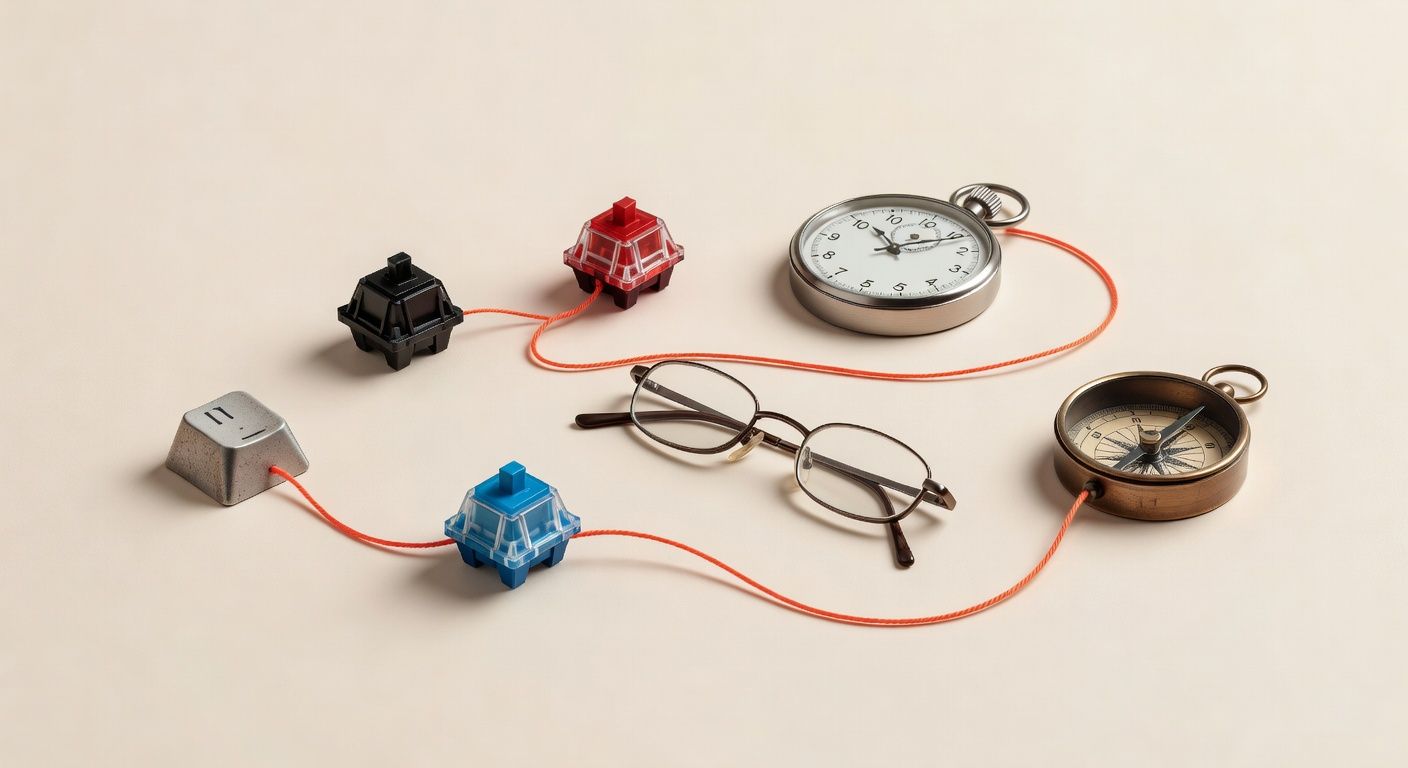
Compare Claude Code, Cursor, GitHub Copilot, and OpenCode by SWE-bench scores, pricing, and the production trade-offs no demo video will show you.

Find the best AI automation tool by team size and workload. Real pricing at 50K operations, integration breadth, and the trade-offs vendor pages hide.

Looking for an Open Interpreter alternative? Compare MoClaw, OpenClaw, OpenHands, Devika, Claude Code, and Cursor on safety, latency, and cost.

AI automation ROI in 2026: the 170-300% averages are self-reported. MIT found 95% of pilots show no P&L impact. What separates the 5% that do.

How AI content research automation actually works in 2026. Sources, fact-checking, citation hygiene, and the agents that produce research humans can trust.

An honest 2026 guide to AI email processing: triage, drafting, scheduling. Real platforms, accuracy bars, and the patterns that hold up at production.

How automated competitor monitoring works in 2026: pricing, features, content, hiring, reviews. Tools and workflows that surface signal not noise.

How to delegate scheduled AI tasks in 2026: morning routines, weekly reviews, recurring outreach. The patterns that build trust before they earn autonomy.

What AI browser automation actually does in 2026. Operator, Computer Use, Playwright, Browser Use. Real workflows, anti-bot reality, and patterns that survive.

What 'autonomous AI assistant' actually delivers in 2026. Capability bar, real platforms, trust patterns, and the workflows that flame out.

Build an AI Telegram bot in 2026: BotFather setup, MTProto vs Bot API, hosting, real platforms, anti-spam, and the patterns that survive a year.

What 'AI cron jobs' actually means in 2026. Schedulers, runtimes, idempotency, and the patterns that make scheduled AI workflows survive a year.

What 'cloud AI agent' actually means in 2026. Hosting models, real pricing, security trade-offs, and the platforms that survive a real workload.

What always-on AI agents actually need in 2026 is hosting, memory, idempotency, observability, and a platform that holds up around the clock.

Real 2026 guide to AI agent for small business. Pricing, the workflows that pay back in 90 days, and the platforms that fit teams under 50.

Honest comparison of AI web scraping agents in 2026: Browse AI, Apify, Bright Data, MoClaw, Playwright. Real pricing and anti-bot reality.

Compare AI Slack integration options in 2026: native Slack AI, ClearFeed, MoClaw, Agentforce. Real pricing, setup time, production patterns.
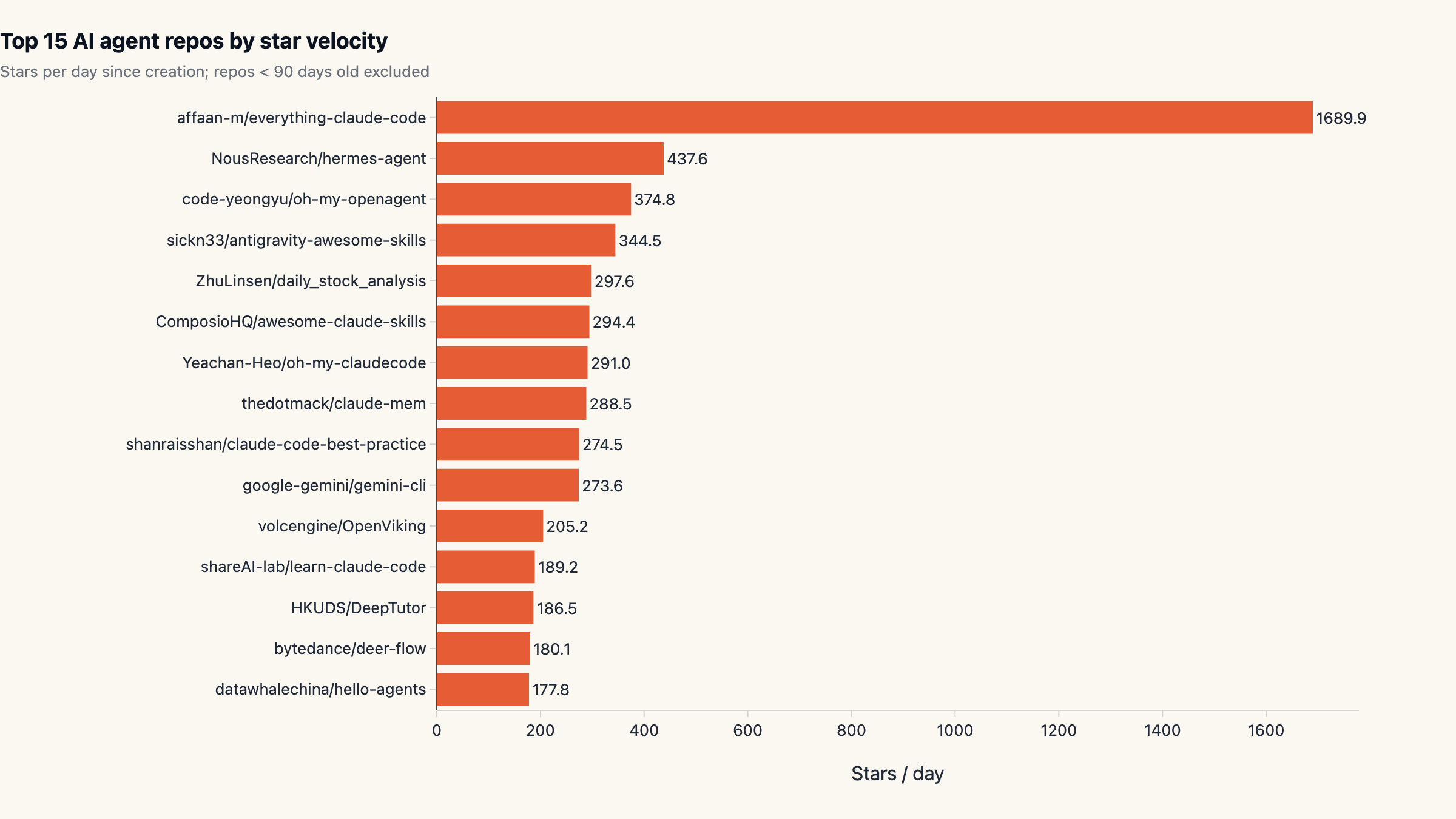
Top ai agent repos 2026: AutoGPT 183K stars, Python owns 54% of agent code, MIT covers 41% of licenses, 2025 saw 110 new repo births.
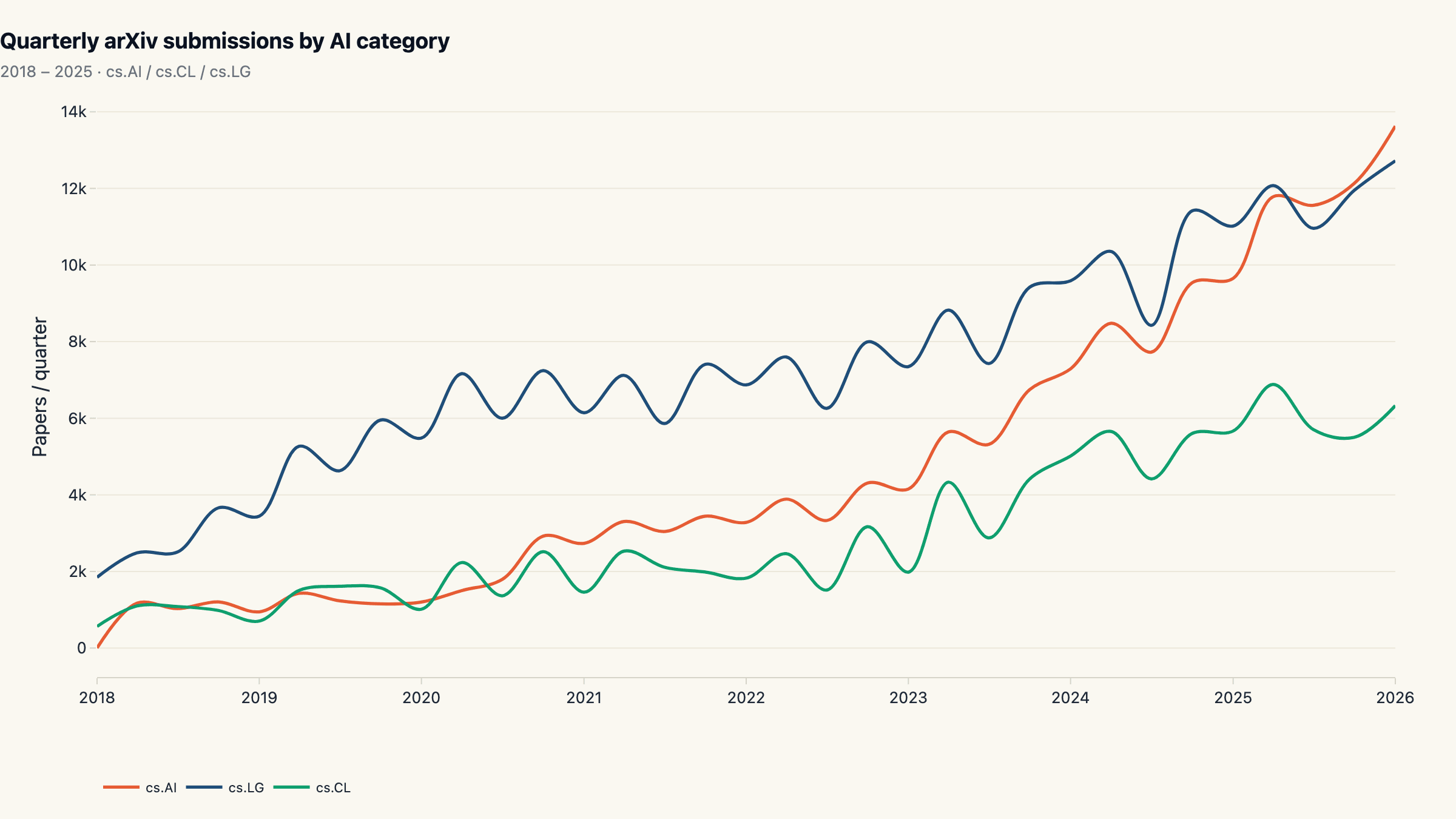
Arxiv ai paper trends: 6.5× growth 2018-2025 (17,635 → 114,888). cs.AI grew 13×, output now compounds at 31% CAGR, doubles every 2.3 years.
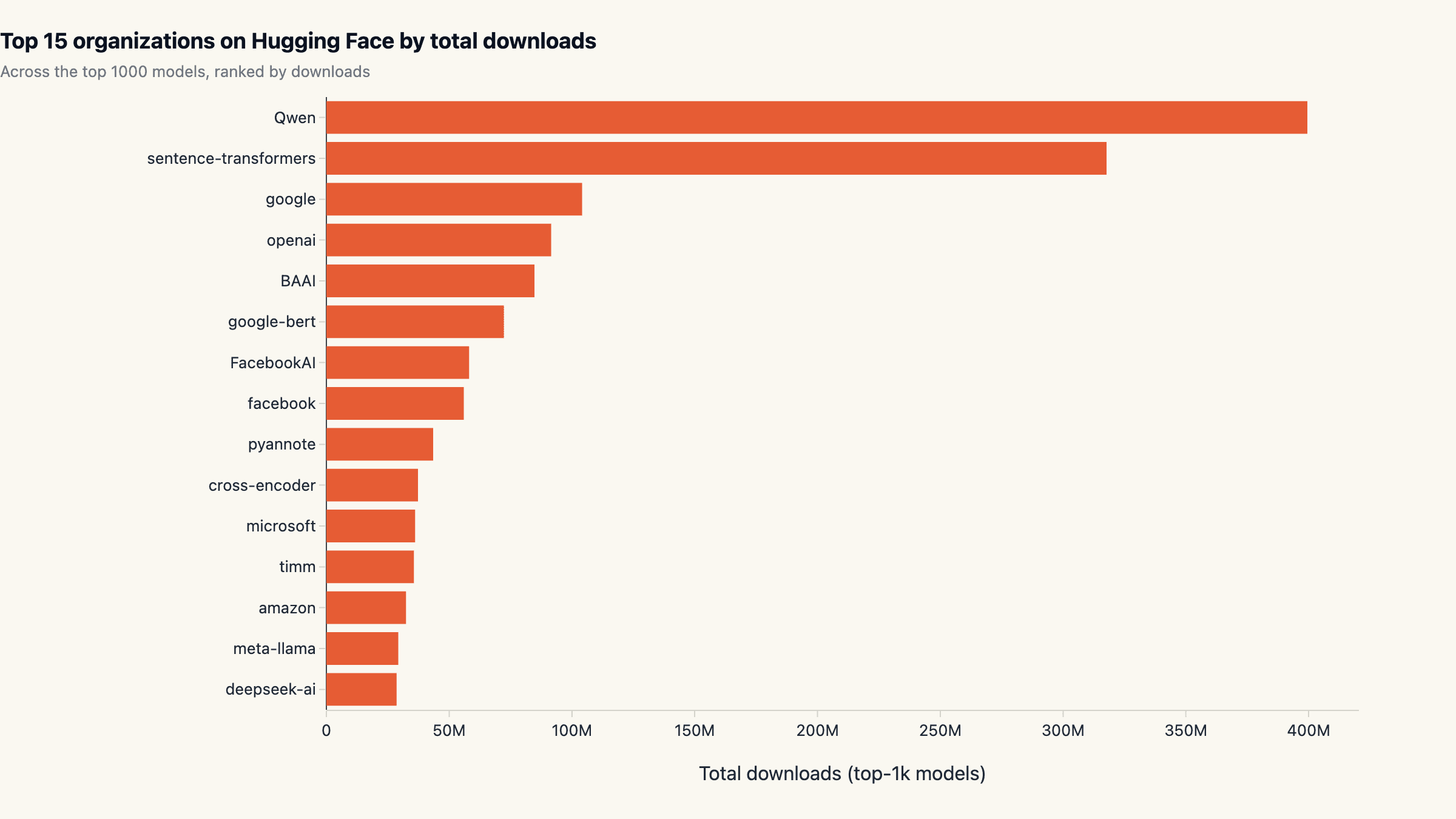
Hugging face hub state 2026: Qwen leads at 399M downloads, Apache 2.0 covers 49% of top-1k licenses, top-5 orgs concentrate 46% of all volume.
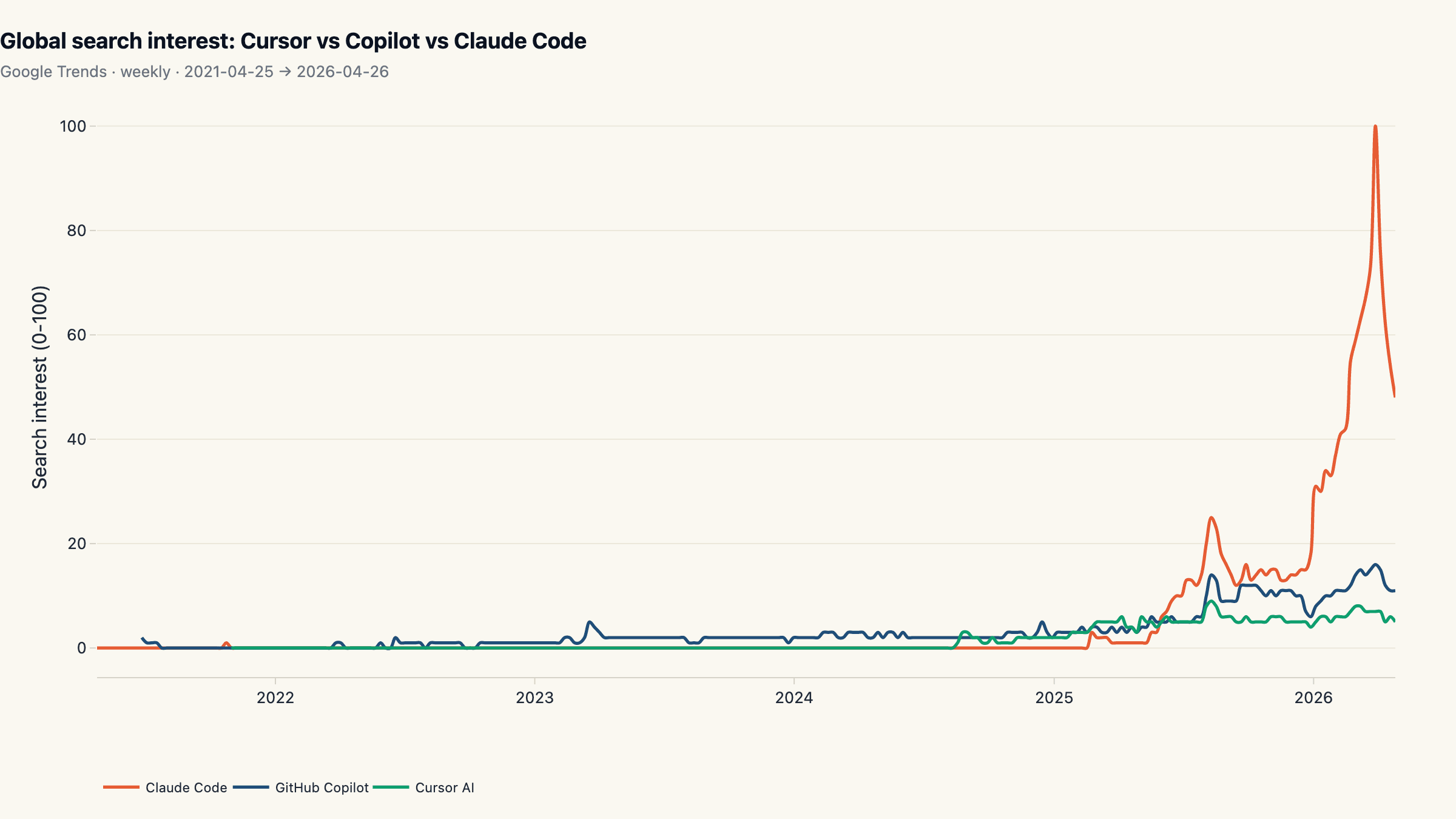
Ai coding tools 2026: Claude Code surpassed GitHub Copilot's 5-year peak by 6× in twelve months. Cursor AI sits at single-digit interest.
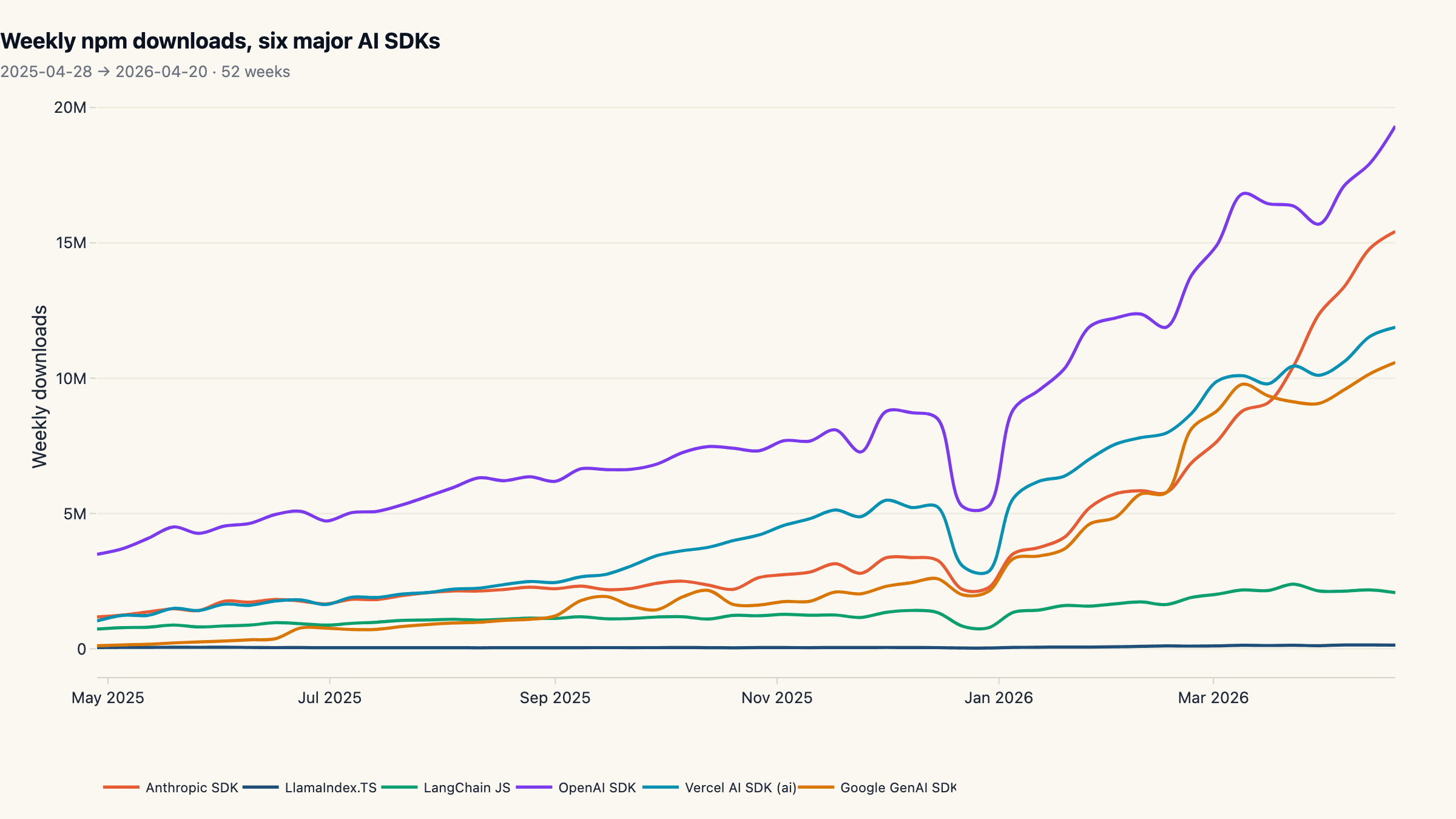
The ai sdk landscape in 2026: OpenAI 32% share, Anthropic +962% in 12mo, Vercel ai 5× LangChain JS, stars-per-download diverges 56× across 6 SDKs.

MoClaw starts at $20/month as an AI marketing agent for solopreneurs. Hands-on review of social posts, white papers, scheduling, and where it falls short.
DeepSeek V4 Pro pricing rose on August 16, 2026 to $0.66 and $1.98 per million tokens off-peak. What changed, what it costs now, and which model ID to pin.

Bring your own key to MoClaw: $20/month for the agent infrastructure, plus metered AI calls billed by your provider. When BYOK saves money, when it doesn't.

Where do top AI engineers work in 2026? An insider look at talent flows across OpenAI, Anthropic, Google DeepMind, Meta FAIR, xAI, and startups.

How AI automation evolved from Zapier to adaptive agents. Compare Power Automate, n8n, Manus, and OpenClaw with pricing and real-world trade-offs.

Set up automated competitor price monitoring with MoClaw. Track Amazon prices daily, get structured CSV reports with no coding — replace $200+/mo tools.
No articles in this category yet.