Claude Tool Use vs Agent Skills
Claude tool use vs agent skills compared: when one-off function calling fits, when reusable skills handle repeatable workflows, and how MCP connects them.
Table of Contents
Claude tool use is the mechanism that lets Claude call a function you define, run it, and use the result to answer. Claude Agent Skills are a different thing: folders of instructions and resources Claude loads when a task matches, so it can follow a repeatable procedure without you re-explaining it each time.
Key takeaways:
- Tool use is one capability called in the moment, also known as function calling. A skill is a whole procedure packaged once and reused.
- They are not either-or. A skill can tell Claude when to reach for a tool.
- Tool use fits a single, live, single-shot action. Agent skills fit work you repeat with the same steps.
- MCP is the connection layer that makes a tool reachable in the first place. It sits under both.
Hi, I'm Vera. I kept re-typing the same five-paragraph instruction every time I ran a research task. Same format, same sources to skip, same way I wanted the summary laid out. I did it for weeks before I asked why I was the one holding all that in my head. That question is the whole reason I sat down to understand the difference between a one-off tool call and a packaged skill. I am a user, not an engineer, so this is the operator's version, not the API walkthrough. For the API depth, Anthropic's own docs are better than anything I would write.
Quick Answer
Reach for tool use when you want the model to do one specific thing in the moment: check a price, run a search, hit an API. Build an agent skill when you keep handing over the same multi-step procedure and you are tired of re-explaining it. Most real setups use both. The skill carries the instructions, and tool use is one of the moves inside it. If you only remember one line: tool use is an action, a skill is a habit.
Quick Difference: Tool Use vs Skills
| Dimension | Tool use (function calling) | Agent skills | MCP |
|---|---|---|---|
| What it is | One capability called in the moment | A packaged, reusable procedure | The connection layer underneath |
| Best for | A single live action: price, search, one API call | Repeated, multi-step work with your own rules | Making a tool reachable at all |
| Reuse | Called once per request | Written once, run the same way every time | Open standard both rely on |
| Runs on a schedule | Not on its own | Yes, when paired with a scheduler | Not applicable, it is connectivity |
| Carries your rules | No | Yes, inside the SKILL.md | No |
When Tool Use Works Best
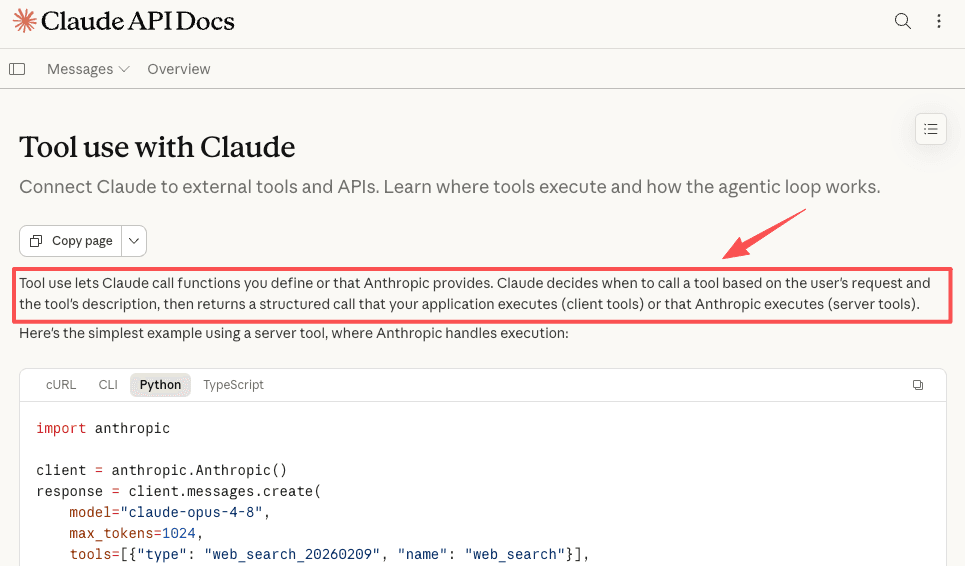
Tool use, also called function calling, fits the moment you need a fact or an action the model cannot produce on its own. The flow is plain: you hand Claude a tool with a name and a description, it decides whether the request needs it, and it returns a structured call your app runs. The official Claude tool use documentation lays out that request shape if you want the exact structure.
It is the right reach when the task is a single step and the answer depends on live data. Get today's exchange rate. Look up an order status. Run one calculation. None of those need a packaged procedure. They need one capability, called once, with the result fed back. If that is your whole task, a skill would be overhead you do not need. This is the honest case for "tool use is the more appropriate choice": short, live, single-shot.
When Agent Skills Work Better
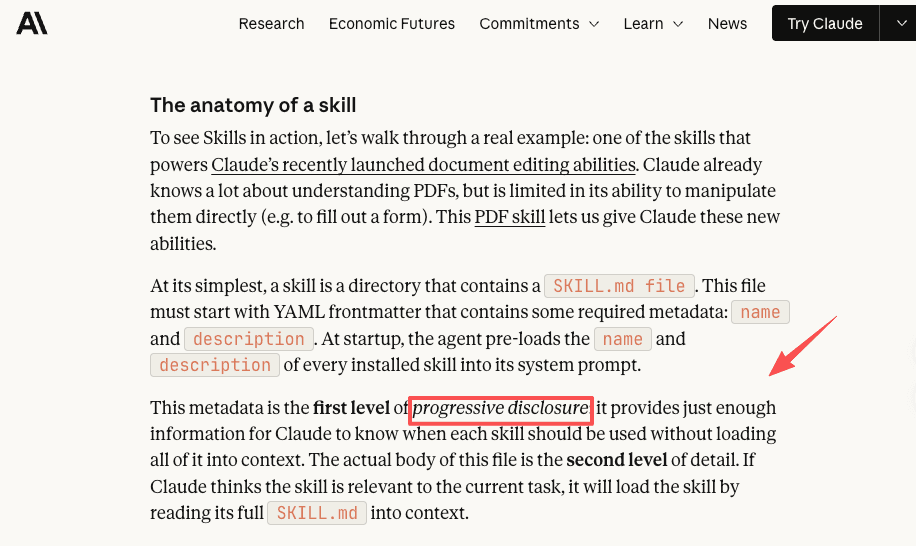
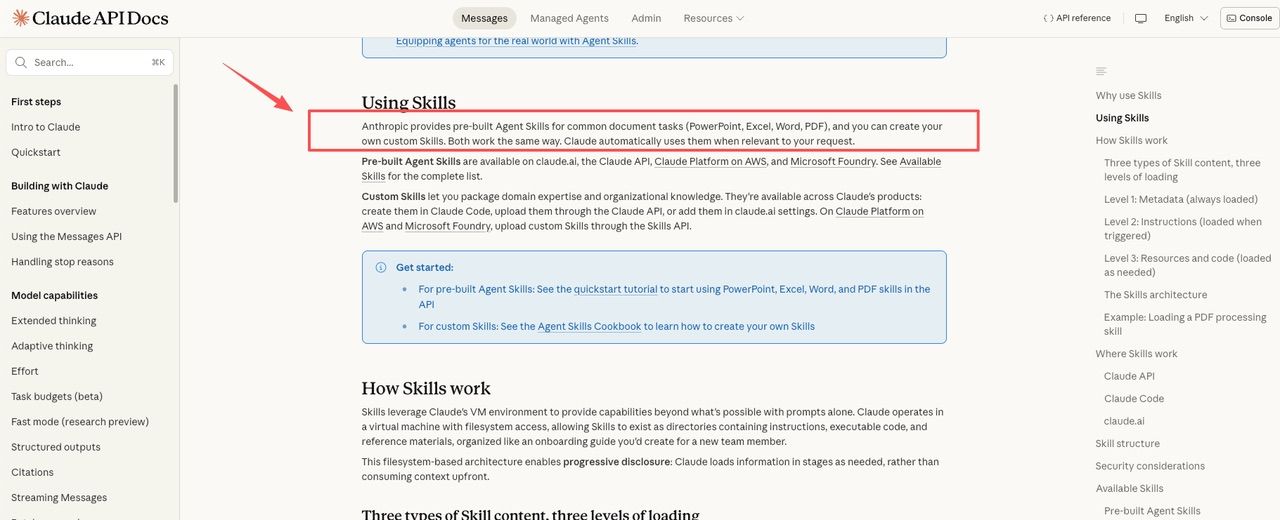
Claude Agent Skills are Anthropic's way of packaging a procedure so the model runs it the same way every time. A skill is a folder with a SKILL.md file: metadata, the steps, and optional scripts or reference files. Claude loads the full instructions only when a task matches the skill's description, which keeps the context light. Anthropic's engineering write-up on Agent Skills calls this progressive disclosure. The point, from my seat: you write the procedure once instead of re-typing it.
Repeated workflows
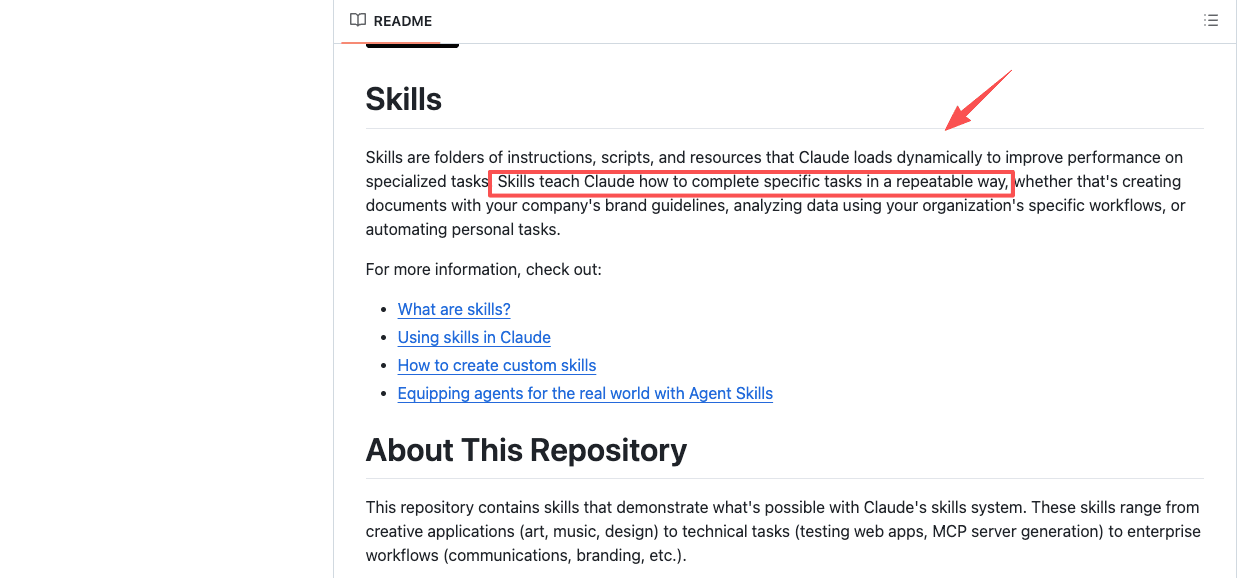
If you run the same job on a schedule or several times a week, a skill earns its keep. My test is rough: if I would do this task fifty times, would I build a real fatigue with it? If yes, package it. The weekly competitor summary I kept re-prompting was a textbook case. Reusable workflows are exactly what skills hold, and Anthropic's public skills repository shows what they look like in practice.
Multi-step procedures
When a task has more than two or three steps that must happen in order, a skill keeps Claude from drifting. The steps live in the SKILL.md, so you are not re-listing them each time and hoping the model remembers. This is the gap between "answer me" and "do the thing the way I do it."
Domain-specific rules
The case I find most convincing is the rules only you know. Your formatting, the three sources you never trust, the one client who wants everything in a table. A skill carries that context so you stop explaining yourself. The Agent Skills documentation covers both pre-built skills for common document work and custom skills for your own knowledge.
The way this clicked for me was running recurring tasks on a managed cloud assistant instead of wiring anything up myself. (MoClaw, the one I use, is a separate managed assistant, not an Anthropic product. It is where I first learned this distinction in practice.) Once I saved a job as a repeatable workflow instead of re-describing it, the task stopped being something I did. If you want to see what that looks like as standing work, MoClaw's recurring research and reporting use cases lay out the repeatable kind.
How MCP Fits Into the Stack
MCP, the Model Context Protocol, is the layer underneath the other two. It is an open standard for connecting an AI model to outside tools and data, so a capability is reachable in the first place. The Model Context Protocol documentation describes it as a standard way to connect models to the context they need. Tool use is how Claude calls a connected capability in the moment. A skill can tell Claude to use that capability as part of a procedure. MCP is how the capability got connected at all.
So they are not competing for the same job. MCP connects, tool use calls, skills orchestrate. Most setups that actually run use all three without you thinking about the seams.
Workflow Decision Checklist
Run a task through these before you decide:
- Is it one step or many? One step leans tool use. Many leans a skill.
- Does it repeat? Done once, a tool call is enough. Done weekly, package it.
- Are there rules only you know? That context belongs in a skill.
- Does it need live data or an outside action? That is a tool, reached through MCP, whether or not it lives inside a skill.
- Are you re-typing the same instructions? That is the clearest signal to build a reusable workflow.
If you answered "many steps, repeats, my own rules," you are describing a skill. If you answered "one step, live data, once," you are describing a tool call. Most days I land somewhere in between, and that is fine.
FAQ
Can I use Claude tool use and agent skills on a schedule?
Tool use on its own is a single call triggered by a live request. It does not run on a schedule by itself. Agent skills can be part of a recurring workflow when paired with a scheduler, either in Claude's own environment or in a managed setup that keeps the agent running. The skill holds the procedure; the scheduler is what fires it. If you want something to run every Monday without you triggering it, you need both a packaged procedure and something that wakes it up.
What happens if my skill calls a tool that returns bad data?
The skill follows its instructions, but it cannot verify the quality of what a tool returns. If a search tool comes back with garbage, the skill will try to use it. The practical fix is to write your SKILL.md so it includes a validation step: check whether the result looks right before using it. For tasks where bad output has real consequences, an approval checkpoint before any action that sends, posts, or writes is worth the extra step.
Are agent skills usable without coding?
Yes, for the most part. Anthropic positions agent skills so non-technical users can create and use them, and pre-built skills work without setup. Custom skills can include scripts if you want them, but a plain SKILL.md of written steps is enough to start. For current availability across plans, check Anthropic's official documentation.
When should a repeated task become a skill instead of a tool call?
The clearest signal is when you catch yourself adding the same context every time: the format you want, the sources you skip, the one rule that always applies. A tool call handles the action. A skill carries the judgment around it. If you would copy-paste the same paragraph of instructions into fifty prompts, that paragraph belongs in a skill, not in your clipboard.
Claude Tool Use vs Agent Skills: Pick by How Often the Task Repeats
The honest version is that I do not pick one. Tool use covers the single live action. Agent skills cover the procedure I am tired of repeating. MCP connects the tools both of them reach for. If a task is one-and-done, a tool call is plenty. If you keep handing over the same steps, that is a skill waiting to be written. Look at what you re-type most this week. That is usually the thing worth packaging first. I am only speaking to my own setup. Yours will have a different mix.
Continue Reading
More Comparison
Claude Skills vs OpenClaw Skills

OpenCode vs Claude Code: What Actually Differs

Lindy vs MoClaw: Teammate or Cloud Computer?
DeepSeek vs ChatGPT: Research, Code, Price

ChatGPT vs Microsoft Copilot: Which Fits You?

Gemini vs ChatGPT for Work: Which Is Better?
The MoClaw editorial team writes about workflow automation, AI agents, and the tools we build. Default byline for industry overviews, listicles, and collaborative pieces.
Choosing between tools? Let MoClaw run the work.
Always-on AI assistant on its own cloud computer. No switching required, no setup.
References: Claude tool use documentation · Anthropic: Equipping agents for the real world with Agent Skills · Anthropic public skills repository · Claude Agent Skills documentation · Model Context Protocol documentation