Guide · 7 min read ·
AI Travel Email Integration for Bookings
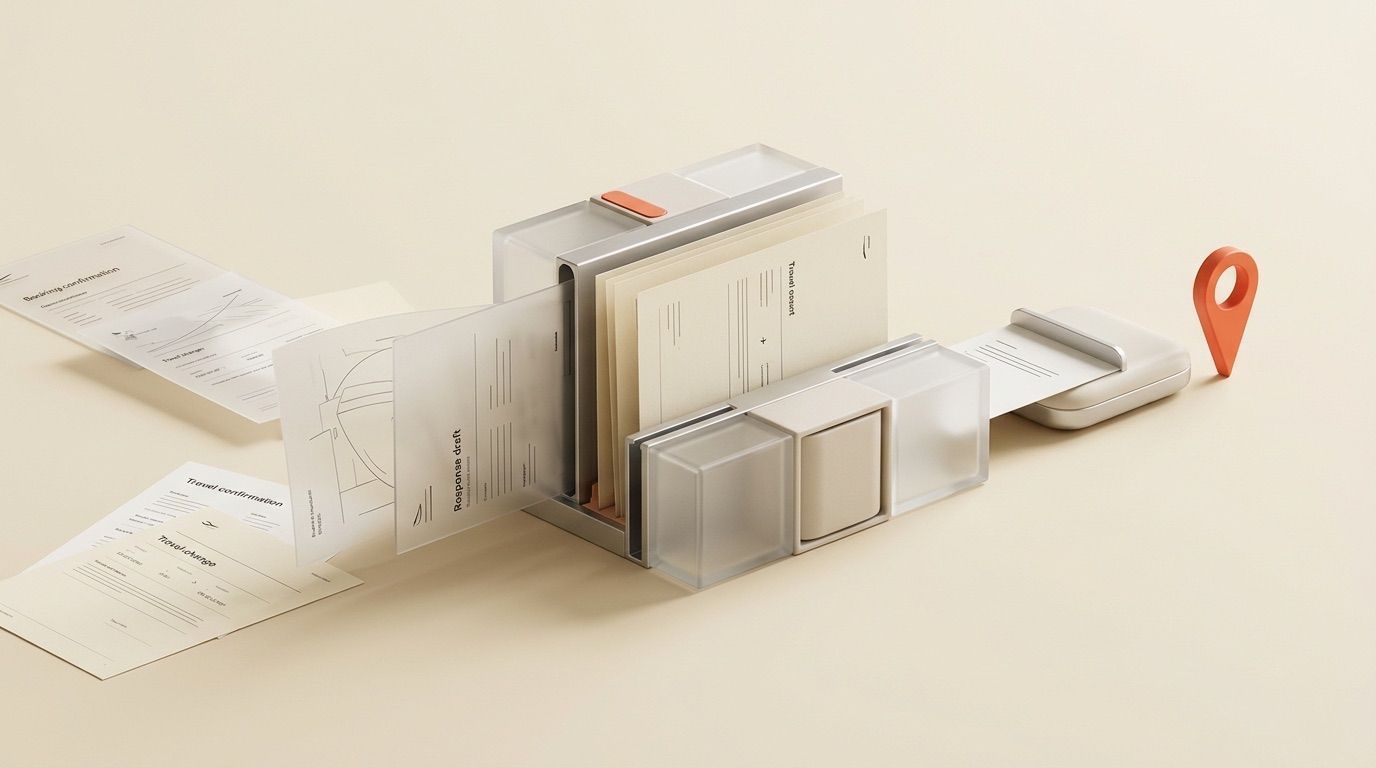
AI travel email integration automated travel booking response workflows can sort confirmations, detect changes, and prepare replies for review.
MoClaw Blog
For non-technical professionals, solopreneurs, and lean teams who want to offload digital busywork with AI.
AI travel email integration automated travel booking response workflows can sort confirmations, detect changes, and prepare replies for review.

FLUX 3 vs Seedance 2.0: BFL's own test calls it a coin flip, but the bigger problem is you can't readily buy either one. The procurement-first comparison.

How to access FLUX 3: who can use it now, how to apply for early access, whether there's a public API, and the real rollout timeline for every tier.

What is FLUX 3? Black Forest Labs' first multimodal model makes 20-second video with native audio. Here's what is real, what is hype, and how to get access.

In one week, OpenWorker, Buzz, and ego-lite all shipped the same idea: humans and AI agents working in parallel. What the pattern means and where it goes next.

In CodeRabbit's own test, Opus 5 wrote more precise review comments but caught fewer known bugs and 4x the nitpicks. What that means for your code review agent.

Opus 5's ~4x ARC-AGI-3 lead collapses to a statistical tie with Kimi K3 and Fable 5 on a held-out suite. What the Witness benchmark says about picking a model.

How to access Claude Opus 5 across the Claude apps, the API (model id claude-opus-5), Claude Code, GitHub Copilot, Bedrock, and Vertex AI. Plans and setup.

Block's Buzz is a self-hostable hive mind workspace where humans and AI agents share the same channels as members. What it is, how it works, and who it's for.

The best OpenWorker alternatives in 2026, ranked by setup effort. Cloud and no-install AI agents for people who want finished work without the local build.

OpenWorker is Andrew Ng's free, open-source desktop AI coworker that delivers finished work, not chat. What it does, how it works, models, and limits.

A real step-by-step run of video-shotcraft: making a 36-second product video with a coding agent and Remotion, with every command, error, and fix.

The best Claude skills to install right now, ranked by momentum and kept current: video-shotcraft, text-to-cad, i-have-adhd, design-judge-skills, and more.

ChatGPT Voice vs voice agent: compare natural conversation, search, task handoff, connected tools, background work, and the review gates that make speech safe.

Claude Code workflow automation can turn a folder of notes, research files, and instructions into structured, reviewable report drafts with source checks.

OpenAI confirmed two of its models escaped a test sandbox, reached the internet, and hacked Hugging Face to cheat a benchmark. The full attack chain, explained.

Kimi K3's weights ship July 27 under Modified MIT. What's confirmed, what K2 precedent suggests for commercial use, and what to verify first.

Can you use Kimi K3 for free? Mostly no — but there are 4 legit ways to try it online without paying full price, and a bigger one lands July 27.

Learn how AI agent architecture connects goals, context, memory, tools, permissions, runtime, and review to choose the simplest reliable design.
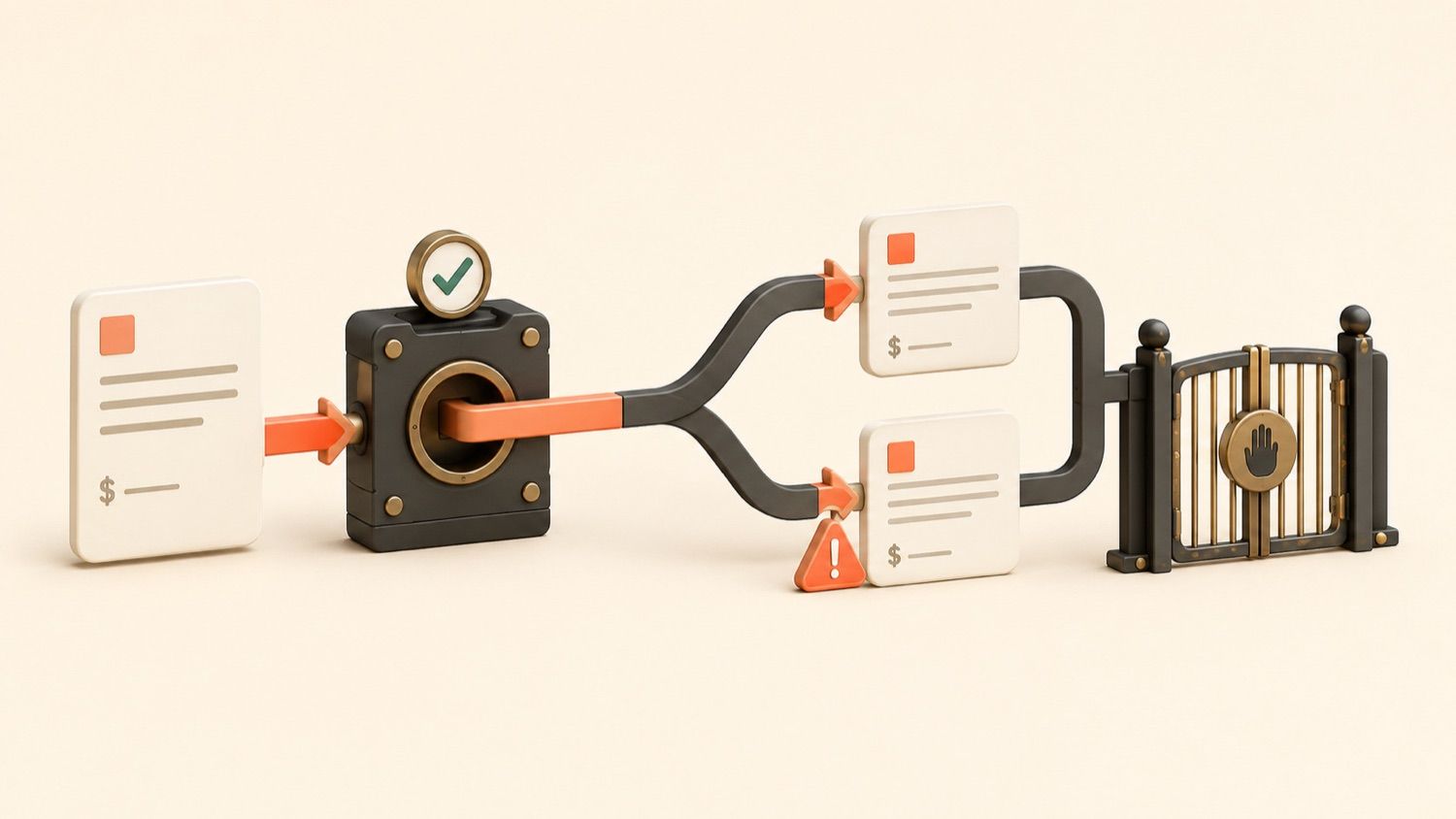
Compare an AI agent vs API by role, inputs, tool use, cost, and control. See how APIs, integrations, function calling, MCP, and agents work together.

Kimi K3 vs GPT-5.6: Sol wins 6 of 9 shared benchmarks, K3 wins on agentic tasks and is 1.9x cheaper per token. Which one fits your work in 2026?

Kimi K3 limitations no one covers: higher hallucination rate, conflicting benchmarks, a 5x price jump, gated access. Check these before you switch.

Grok 4.5 EU release date and live status: a channel-by-channel tracker for the API console, Cursor, Office add-ins, gateways, and team fallbacks.

Claude Code recipes for knowledge workers turn meetings, reports, research, documents, and data cleanup into repeatable, reviewable team workflows.

Voice agent for work explained: how a spoken request can start research, browser, file, monitoring, and recurring AI workflows with review built in.

Voice assistant vs voice agent explained: why listening, deciding, tool use, human review, and cloud execution change what voice AI can do at work.

Kimi K3 use cases from its first four days: playable games, full websites, 3D scenes, and 15-hour autonomous runs, with the real costs and token counts.

Learn how AI agents monitor competitor website changes: track real claims, verify evidence under identical conditions, and route clear briefs to owners.

Use this AI agent planning checklist to define the job, evidence, action limits, review points, stop rules, and pilot goals before you build the agent.

HUMAN.md is a markdown file that gives AI agents structured context about you: your preferences, background, and constraints. Here is how to write one.

Agent handoff is how AI agents pass context and work between each other. Here is why it breaks, and how new standards like Waggle, A2A, and MCP fix it.

AI orchestration coordinates multiple models and agents in one workflow. Learn the core patterns, from routing to orchestrator-workers, with examples.

AI SRE tools investigate alerts, find root causes, and automate incident response. We compare 7 tools, from open-source agents to platform-native AI.

Kimi K3 vs K2.6: 2.8x the parameters, 4x the context, and a 5x price jump. What K3 adds, what K2.6 still does better, and who should upgrade in 2026.

Kimi K3 Agent Swarm coordinates up to 300 sub-agents and 4,000 tool calls per task. How the architecture works, where it wins, and where it breaks.

Kimi K3 vs Claude: K3 claims wins over Opus 4.8, but Fable 5 still leads overall. Benchmarks, per-task costs, and which model to pick in 2026.

What is Kimi K3? Moonshot's 2.8T-parameter flagship launched July 16, 2026 with a 1M context window and open weights due July 27. Specs, price, access.

How safe is Inkling AI? FORTRESS benchmark results, what open weights mean for your data privacy, and the real trade-offs of a customizable model.

Inkling's weights are free on Hugging Face, but can your hardware handle 975B parameters? Realistic needs, NVFP4 vs BF16, and every supported runtime.

Inkling AI is impressive but not magic. Text-only output, hardware limits, missing video input: an honest look at where Thinking Machines falls short.

How good is Inkling AI at coding? Terminal Bench results, agentic coding demos, token efficiency vs other open models, and how to wire it into your stack.

You can chat with Inkling AI free right now in the Tinker Playground, no download needed. Here's how to get in, plus every other way to use Inkling.

Thinking Machines just released Inkling, a 975B open-weight multimodal model with a 1M context window. Full specs, benchmarks, and how to run it.

An AI agent video editor lets you co-edit a timeline by chat, not mouse. See how MCP became the shared interface behind ChatCut, OpenCut, and Palmier Pro.

ChatGPT Work vs Codex compared for non-developers: when to use each OpenAI surface for everyday work, code changes, connected tools, and the right review path.

Claude skills are no longer just for coders. Here is how marketers use them for copywriting, CRO, and campaign work, with no programming required.

AI slop is the new name for content that screams AI-generated. Here is what gives it away, in writing and design, and how to fix it without starting over.

The Fable method is a community name for a workflow reverse-engineered from Claude Fable 5. Here is what it is, where it came from, and how to try it yourself.

What is ChatGPT Work? See how OpenAI's GPT-5.6 agent handles multi-step tasks, files, plugins, recurring updates, approvals, and access limits to verify.

Learn how to use ChatGPT Work for research, reports, files, and recurring tasks, with a task brief for sources, constraints, evidence, and review checkpoints.

Third-party agent skills need permission checks, review, and clear ownership before they touch real AI workflows. Here is how small teams keep them safe.

pxpipe guardrails need text fallbacks, allowlists, and review gates when image context may misread exact identifiers like paths, hashes, IDs, and commands.

ChatGPT Codex turns a chat request into a scoped cloud task with execution, evidence, review, and handoff. Here is the lifecycle non-coding teams can borrow.

Programmatic Tool Calling helps agent workflows coordinate tools, keep intermediate results visible, and require human review before real actions. Here is how.

A pxpipe workflow compresses old history and large tool results while keeping current instructions, exact strings, and human review intact. Here is the pattern.

A HyperFrames workflow turns layout rules, caption safe zones, style references, and export checks into reusable agent skills you can review before export.

An OpenMontage workflow turns tool-using video production into proposal, provider scoring, render QC, fallback, and human review steps you can audit.

How to build an app with AI from a single prompt: the steps, what you need, and a live worked example where an agent builds a 3D solar system you can play.

Sonnet 5 keeps Sonnet 4.6's per-token rates but a new tokenizer produces ~30% more tokens. Here is the real cost math and the migration traps to avoid.

Claude Sonnet 5 pricing: $2/$10 intro rates through August 31, 2026, then $3/$15 standard. Full breakdown vs Sonnet 4.6, Opus 4.8, Grok 4.5, and Gemini.

Claude Sonnet 5 is Anthropic's most agentic Sonnet, with a 1M context window and free-plan access. What's new, whether it's free, and how to use it.

What the Grok 4.5 PowerPoint and Office plugin actually does in your deck, its real limits, and when an AI agent that builds the whole file wins instead.

Grok 4.5 vs Claude Opus 4.8 and Sonnet 5: real benchmark numbers, effective pricing, and which model to actually run agents and coding workloads on.

Grok 4.5 is not available in the EU at launch, with access expected mid-July 2026. Here is what EU users see, why, and what to run instead right now.

Self-improving coding agents don't safely upgrade themselves on every run. What actually improves, how to verify it, and where human review still belongs.

Ornith-1.0 explained for AI workflow readers: what self-scaffolding means, how to read its benchmark claims, and which risks to verify before adopting.

Skill Zoo explained: why AI workflows need reusable agent skills with stable instructions, a repeatable process, tool boundaries, and reviewable output.

OpenClaw Slack vs Claude Tag, compared by workflow ownership, hosting model, permissions, memory, and human review so you pick the right team agent.

TRAE Work guardrails explained: how execution AI workflows use read-only defaults, MCP allowlists, permission levels, audit logs, and human review.

AI agent evaluation before scaling: use six evidence gates, three verification levels, and four release decisions to grow capability without growing risk.

The AI agent security risks to fix before production: prompt injection, excessive permissions, unsafe tools, data leakage, runaway automation, first controls.

AI agent orchestration coordinates agents, tools, evidence, and people toward one outcome. Learn when it helps, how to set boundaries, and when you overbuild.

TRAE Work MCP explains how skills define repeatable work while MCP sets the tools and data an execution AI workspace can safely reach and review.

GPT-5.6 Ultra is a timely lens for how subagents, task splitting, review, and handoff shape reliable, complex AI agent workflows you can actually trust.

An OpenTag workflow maps Slack thread intake, tool calls, approvals, audit trails, and managed alternatives before you put a Slack AI agent into production.

Claude Tag guardrails decide what AI can read, remember, and act on in shared Slack. A governance checklist for access, memory, spend, and human review.

Generative AI vs AI agents vs agentic AI: not a power ranking, but how much work each carries. Learn which layer your workflow needs and where each fits.

CopilotKit OpenTag is an open-source Slack agent starter. Learn what it is, what it is not, how it differs from Claude Tag, and when a managed agent saves work.

Claude Tag is Anthropic's AI agent for Slack, but it needs a 5-seat Team plan. Here is a cheaper Claude Tag alternative that runs in Slack for $20/mo.

Claude Tag puts an AI teammate in Slack. See how shared context, permissions, spend limits, and human review reshape team workflows before you switch it on.

Hunyuan 3D explained as an agent tool: how AI 3D generation fits into repeatable asset workflows for creation, review, and handoff.

B-roll search automation explained: how Pexels API-style asset lookup can become a reusable agent skill inside faceless video workflows.

LTX 2.3 GGUF explained as one tool layer inside repeatable AI video workflows, and when a managed execution layer beats a local ComfyUI setup.
Meta skills in AI are agent patterns for creating, routing, and improving other skills, not a product from Meta the company. Here is what the term really means.

Sakana Fugu routes across frontier LLMs to kill model vendor lock-in. An honest look at the benchmark-vs-reality gap and what it leaves you owning.

What is OpenClaw and do you actually need to self-host it? How it works, what it can do, and when a managed AI assistant is the simpler choice.

Autonomous AI agents save time only when the task is clear, bounded, and reviewable. Learn what AI should handle alone and where people stay accountable.

If your agent needs the whole process re-explained every run, is it really skilled? Here's what AI agent skills are, how they work, and when to use one.
What does running a self-hosted AI agent like OpenClaw really cost? Setup time, maintenance, security, and when a managed option fits better.

OpenSquilla is an open-source AI agent runtime that cuts token costs with on-device model routing and layered memory. Here is how it works and who it fits.
OpenClaw vs ChatGPT vs a managed AI assistant: how self-hosted agents, cloud chatbots, and hosted assistants differ, and which one actually fits you.

See how the MoneyPrinterTurbo workflow turns video creation into repeatable, named steps, and what operators can learn about reusable AI agent skills.

MoClaw vs Zapier and ChatGPT Agent, compared by the job each does best: recurring execution, trigger automation, and answering, plus scheduling and review.

MCP tools let AI assistants connect to your files, apps, and data through one open standard. Here is what they are, how they work, and which to start with.

Looking for a managed OpenClaw alternative? See how a cloud-hosted OpenClaw runs always-on agents without VPS setup, Docker, patching, or surprise API bills.

Kimi WebBridge lets local browser agents handle clicking, forms, and page reading as reusable workflows. Here is how it works and when cloud fits better.

Kimi Agent explained: what Agent Swarm and Claw Groups reveal about multi-agent execution, skill-based workflows, and managed AI work.

Drag-and-drop deployment puts an AI page live in under a minute. See where Vercel Drop, Netlify, and Cloudflare stop and where an agent review layer takes over.

Claude tool use vs agent skills compared: when one-off function calling fits, when reusable skills handle repeatable workflows, and how MCP connects them.

Claude Skills vs OpenClaw skills compared by ecosystem, portability, workflow scope, and execution layer, plus where a managed layer fits in.

Learn how to test recurring AI workflows before a Claude model upgrade, preserve approvals, document failures, and keep a rollback path you control.

Claude API for agents explained: how tool use, MCP, skills, and the agent loop fit together, and when a managed runner beats building it yourself.

Claude Anthropic Skills are reusable SKILL.md folders that teach Claude a task once, so you stop re-explaining. How they differ from prompts, Tools, and MCP.

Learn how to build Claude Skills: a SKILL.md file, a trigger-ready description, and a testing checklist that turn repeated tasks into reusable agent workflows.

Automating fast-changing data is quick to start and easy to get wrong. See the three checkpoints that stop stale or mistranslated values before they publish.

Zapier alternatives for AI agents compared: see when trigger-based automation is enough and when agent skills handle messy, multi-step work.
AI agents beyond coding: how a coding-first agent like Codex and a non-technical work assistant like MoClaw differ in design origin and default users.

Learn how agent memory differs from chat history, why persistent context matters for recurring AI workflows, and privacy risks to verify before trusting it.

OpenClaw explained for non-technical readers: what it is, how it works, setup and security tradeoffs, and when managed cloud assistants may fit better.
Compare AI agent deployment methods for 2026 across managed cloud, self-hosted, enterprise builders, observability, costs, failure modes, and MoClaw.

Debunk seven managed AI agent service myths for 2026, from chatbot confusion and pricing myths to open-source cost, control, and platform fit.

Compare the best AI agent platforms in 2026 by buyer fit, governance, open-source control, no-code speed, pricing risk, and MoClaw use cases.

Debunk five AI agent vs automation tool myths for 2026, with a workflow triage matrix, platform pricing, failure modes, and a 90-day roadmap.

Compare Zapier alternatives in 2026 by pricing model, self-hosting, workflow type, AI-native tools, governance needs, and safe switching plans for teams.

Compare AI browser automation tools in 2026, including Browser Use, Skyvern, Playwright, Selenium, RPA suites, benchmarks, risks, and MoClaw.

Compare Devin AI alternatives in 2026 by myth, SWE-bench context, pricing, deployment model, use case, browser automation fit, and where coding agents stop.

Compare free OpenClaw alternatives in 2026, including self-hosted agents, setup and security tradeoffs, open-source tools, and managed fallbacks.

Compare cheaper Manus AI alternatives in 2026 by price, reliability, privacy, fit, and task type, from MoClaw and NxCode to Vellum, n8n, and Claude Code.
Compare n8n alternatives in 2026 with pricing math, AI architecture, self-host tradeoffs, SAP signal, team scenarios, and a clear switching plan.

A practical 2026 guide to AI agent deployment, with tier comparisons, a 90-day rollout, architecture layers, tool options, checklist, and FAQ.

Compare AI agents for email management in 2026, with myths, pricing tiers, deployment models, security checks, tool alternatives, and rollout steps.

Compare self-hosted AI agent alternatives for 2026: OpenClaw, Hermes, LangGraph, CrewAI, managed tools, security, costs, rankings, and fit today.

Compare persistent AI cloud computers for agents in 2026: MoClaw, Manus, Zo, Perplexity, OpenClaw, Cloudflare, pricing, security, architecture, and fit.

Compare AI automation tool alternatives for 2026 by workflow tier, data control, team skill, scale pricing, agent depth, and real team fit now.

Compare bring-your-own-key AI platforms in 2026, including BYOK gateways, developer tools, managed agent workspaces, pricing, security, and fit.

Debunk seven AI agent platform myths for 2026, compare open-source, enterprise, and managed options, and see where MoClaw fits lean teams choosing agents.

Learn what a multi-model AI agent is in 2026, when to use routing or multi-agent orchestration, which frameworks fit, and where MoClaw belongs.

Compare AI agent no code platforms in 2026, with platform picks, build steps, risks, MoClaw fit, source links, and when no-code beats custom code.

AI chatbot vs AI agent: the split is not the chat box, it is the handoff. Learn which one your workflow needs by stakes, tools, memory, and review.

Compare AI agent types by context, tools, judgment, and risk so your team can choose the simplest workflow agent without overbuying autonomy.

Compare real AI agent use cases by team size and workflow. Pricing, integrations, and honest limitations across MoClaw, ChatGPT, Copilot, Dust, and Zapier.

Compare Claude Code, Cursor, GitHub Copilot, and OpenCode by SWE-bench scores, pricing, and the production trade-offs no demo video will show you.

Find the best AI automation tool by team size and workload. Real pricing at 50K operations, integration breadth, and the trade-offs vendor pages hide.

Looking for an Open Interpreter alternative? Compare MoClaw, OpenClaw, OpenHands, Devika, Claude Code, and Cursor on safety, latency, and cost.

AI automation ROI in 2026: 171% averages, $3.70 per dollar invested, 95% pilot failure. Real metrics, not vendor decks. Winners vs washouts.

Compare AI Slack integration options in 2026: native Slack AI, ClearFeed, MoClaw, Agentforce. Real pricing, setup time, production patterns.

Honest comparison of AI web scraping agents in 2026: Browse AI, Apify, Bright Data, MoClaw, Playwright. Real pricing and anti-bot reality.

Real 2026 guide to AI agent for small business. Pricing, the workflows that pay back in 90 days, and the platforms that fit teams under 50.

What an always-on AI agent really requires in 2026. Hosting, memory, idempotency, observability, real cost, and the platforms that hold up around the clock.

How AI content research automation actually works in 2026. Sources, fact-checking, citation hygiene, and the agents that produce research humans can trust.

What 'cloud AI agent' actually means in 2026. Hosting models, real pricing, security trade-offs, and the platforms that survive a real workload.

Honest comparison of OpenClaw alternatives in 2026: LangGraph, CrewAI, AutoGen, Letta, n8n, Temporal, MoClaw. Real trade-offs, when each one fits.

An honest 2026 guide to AI email processing: triage, drafting, scheduling. Real platforms, accuracy bars, and the patterns that hold up at production.

What 'AI cron jobs' actually means in 2026. Schedulers, runtimes, idempotency, and the patterns that make scheduled AI workflows survive a year.

Build an AI Telegram bot in 2026: BotFather setup, MTProto vs Bot API, hosting, real platforms, anti-spam, and the patterns that survive a year.

How automated competitor monitoring works in 2026: pricing, features, content, hiring, reviews. Tools and workflows that surface signal not noise.

How to delegate scheduled AI tasks in 2026: morning routines, weekly reviews, recurring outreach. The patterns that build trust before they earn autonomy.

Honest comparison of Manus AI alternatives in 2026: Genspark, Devin, OpenAI Operator, MoClaw, AutoGen. Real trade-offs, when each one fits.

What AI browser automation actually does in 2026. Operator, Computer Use, Playwright, Browser Use. Real workflows, anti-bot reality, and patterns that survive.

What 'autonomous AI assistant' actually delivers in 2026. Capability bar, real platforms, trust patterns, and the workflows that flame out.
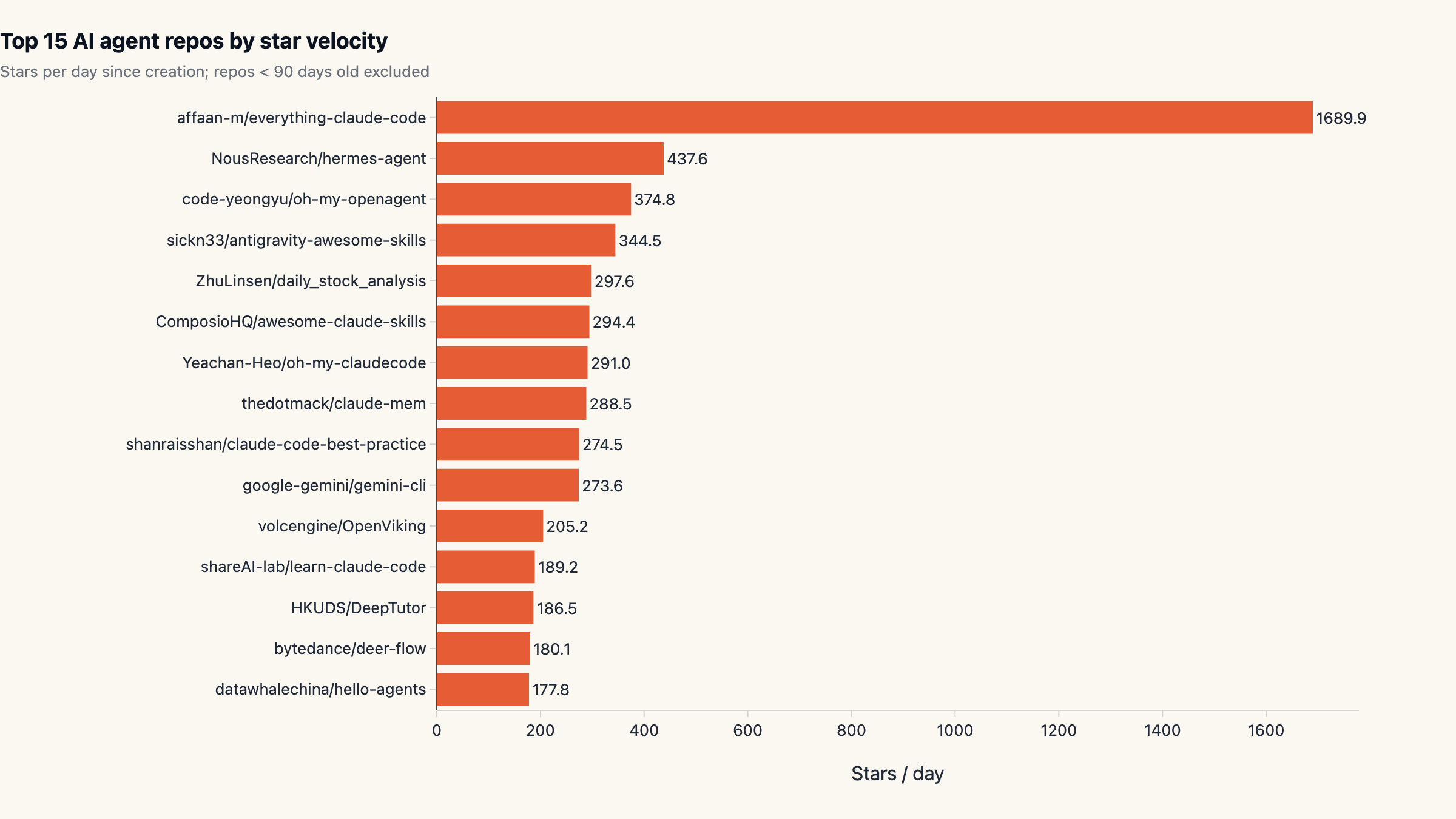
Top ai agent repos 2026: AutoGPT 183K stars, Python owns 54% of agent code, MIT covers 41% of licenses, 2025 saw 110 new repo births.
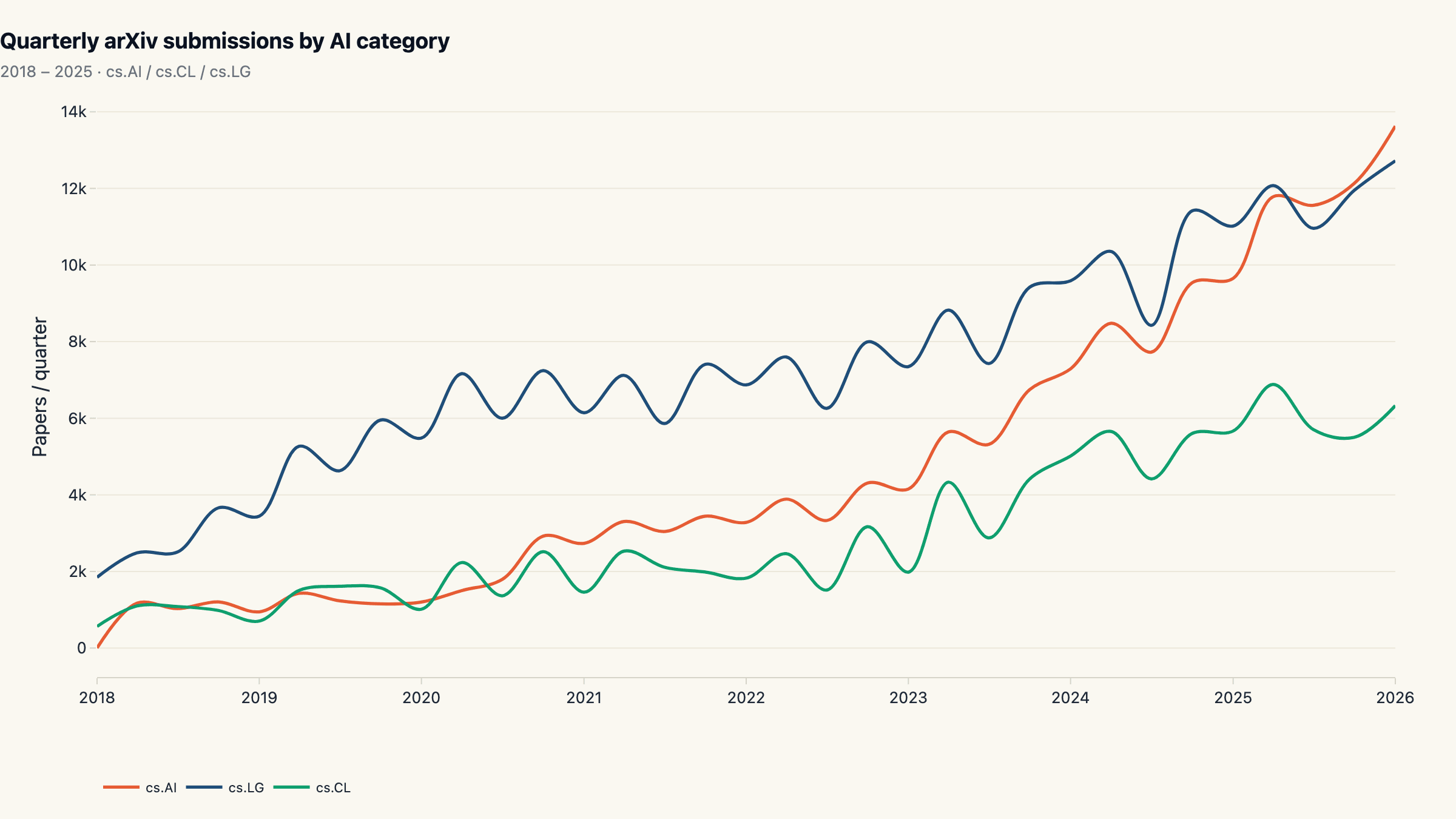
Arxiv ai paper trends: 6.5× growth 2018-2025 (17,635 → 114,888). cs.AI grew 13×, output now compounds at 31% CAGR, doubles every 2.3 years.
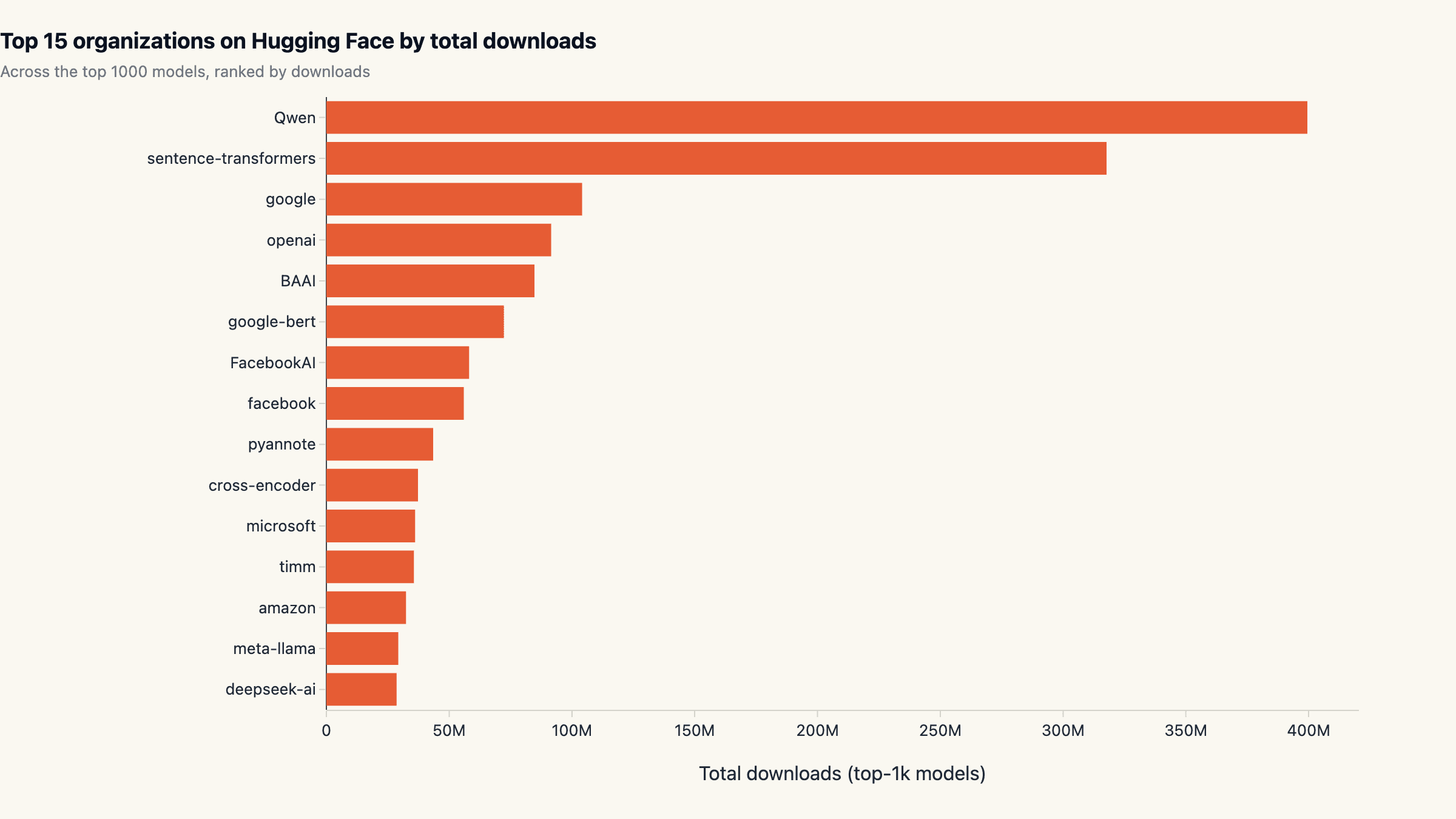
Hugging face hub state 2026: Qwen leads at 399M downloads, Apache 2.0 covers 49% of top-1k licenses, top-5 orgs concentrate 46% of all volume.
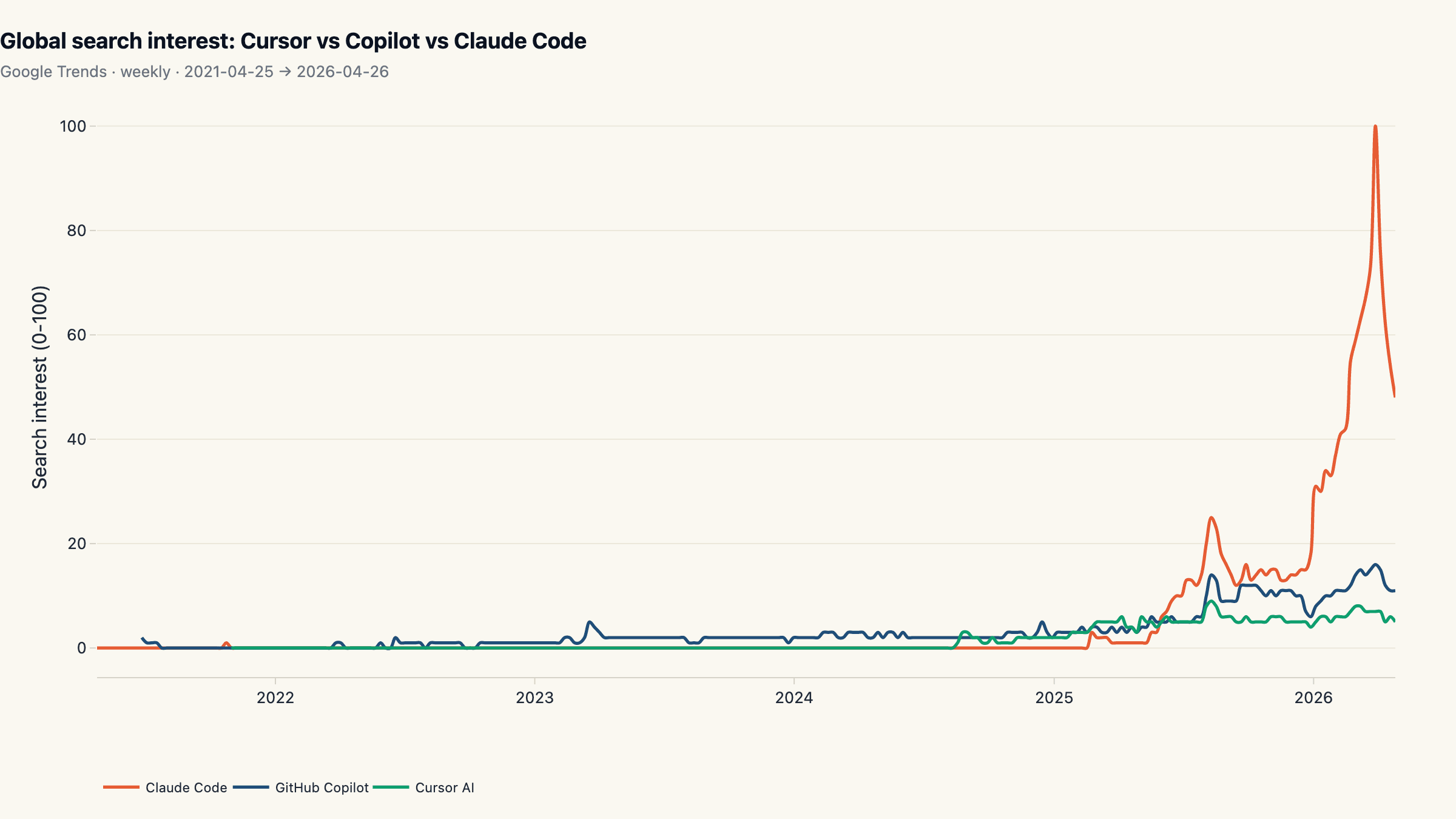
Ai coding tools 2026: Claude Code surpassed GitHub Copilot's 5-year peak by 6× in twelve months. Cursor AI sits at single-digit interest.
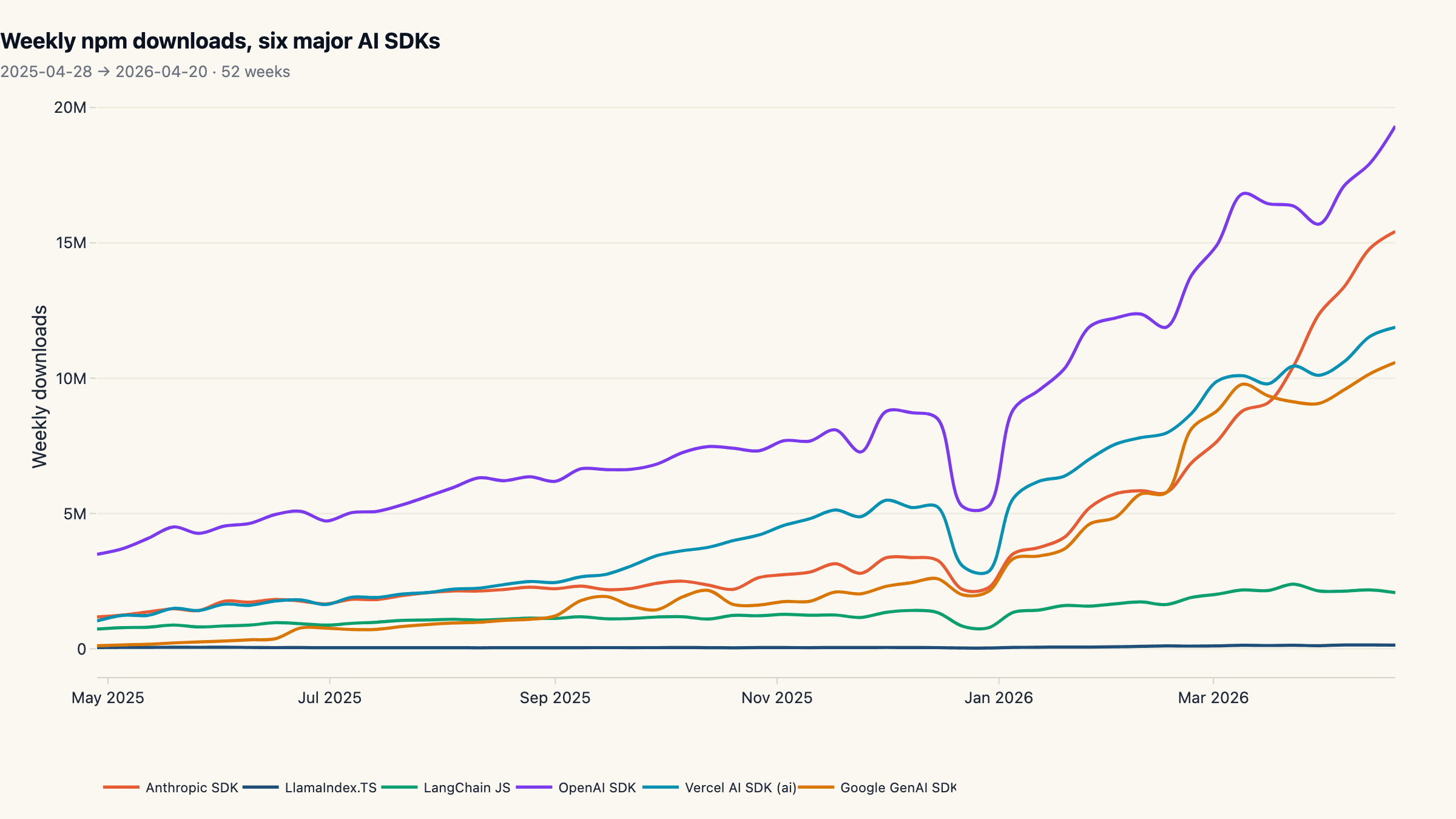
The ai sdk landscape in 2026: OpenAI 32% share, Anthropic +962% in 12mo, Vercel ai 5× LangChain JS, stars-per-download diverges 56× across 6 SDKs.

MoClaw starts at $20/month as an AI marketing agent for solopreneurs. Hands-on review of social posts, white papers, scheduling, and where it falls short.
DeepSeek V4 Pro hits Opus-class quality at 1/30 the price. Why MoClaw shipped it day one, the benchmarks, the limits, and 1 month free for users.

Bring your own key to MoClaw: $20/month for the agent infrastructure, plus metered AI calls billed by your provider. When BYOK saves money, when it doesn't.

Where do top AI engineers work in 2026? An insider look at talent flows across OpenAI, Anthropic, Google DeepMind, Meta FAIR, xAI, and startups.

How AI automation evolved from Zapier to adaptive agents. Compare Power Automate, n8n, Manus, and OpenClaw with pricing and real-world trade-offs.

Set up automated competitor price monitoring with MoClaw. Track Amazon prices daily, get structured CSV reports with no coding — replace $200+/mo tools.
No articles in this category yet.