PILOT AI Chief of Staff vs Always-On Agent
PILOT AI chief of staff compared with an always-on assistant for one founder follow-up workflow, including context, execution, and oversight.
Table of Contents
A PILOT AI chief of staff and an always-on AI assistant are role positions, not one shared technical standard. PILOT is positioned as a private briefing system for commitments, people, projects, email, calendar, and voice. An always-on assistant is closer to a persistent digital worker that keeps approved tasks moving after a decision is made.
Key Takeaways:
- Start with the PILOT AI chief of staff role when the harder problem is reconstructing context, priorities, and open commitments.
- Start with a persistent execution assistant when approved work needs to continue across browsers, files, scheduled runs, and later sessions.
- The same founder workflow may need both after review, permissions, and data boundaries are clear.
- Early-access PILOT claims should be verified before sensitive company data is connected.
I came to this comparison through a very ordinary kind of founder mess. A call ends well. The founder says yes to the next move. Someone needs to draft the follow-up, pull the latest pricing note, check the calendar, and remind the founder before Friday. None of that sounds hard. But three days later, the promise is living in a meeting note, the supporting link is in Slack, the reminder is buried in a calendar title, and the draft never got a clear owner.
That is the moment where the label starts to matter. A PILOT AI chief of staff, based on its current public positioning, is trying to answer: "What deserves my attention?" An always-on AI assistant answers a different question: "What approved work still needs to move?" The two jobs can touch the same follow-up, but they are not the same job.
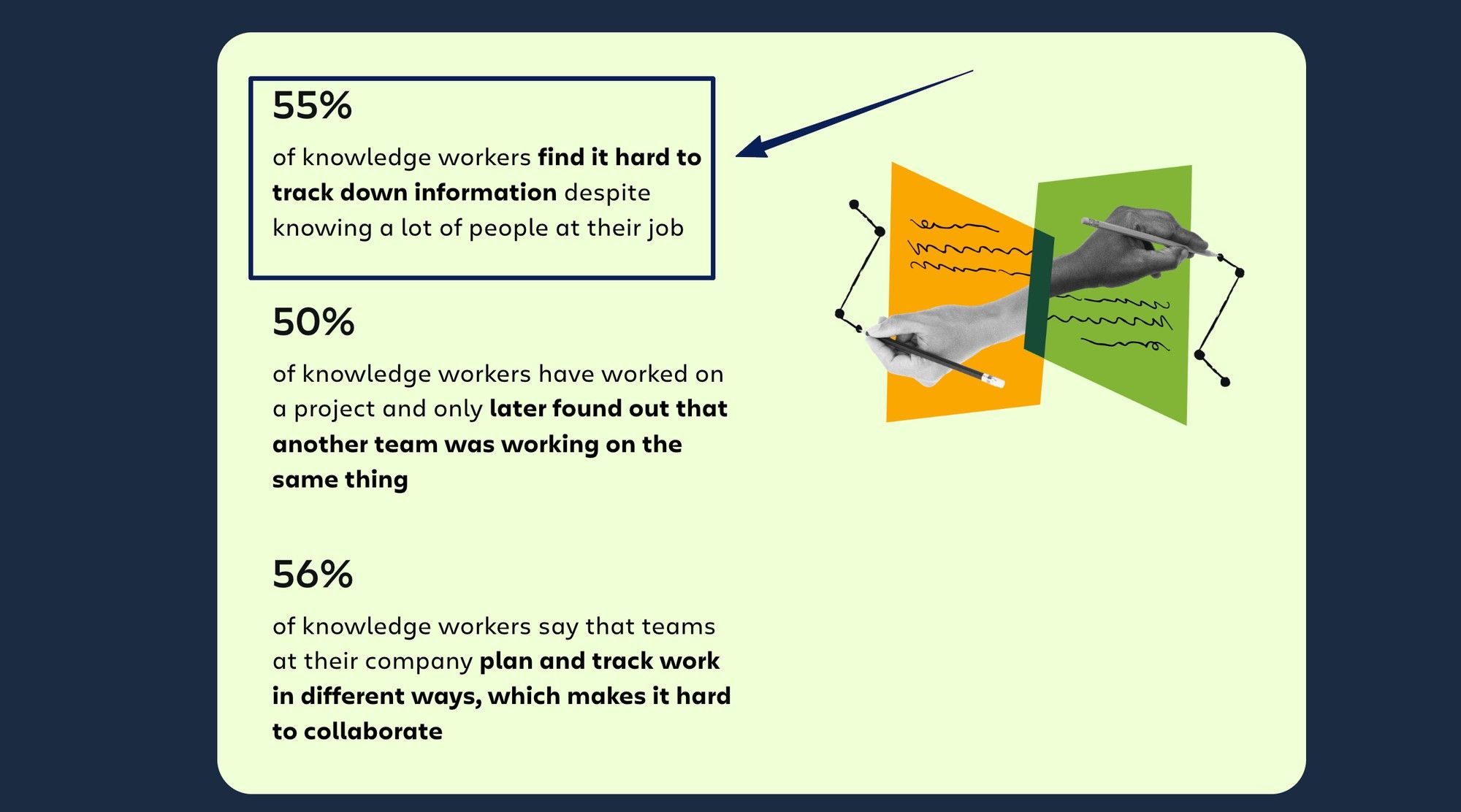
This is not just my inbox being dramatic. Atlassian's State of Teams research found that 55% of knowledge workers find it hard to track down information, even when they know many people at work, and 64% say their team is pulled in too many directions. Founders live inside that problem with fewer buffers. When follow-up slips, it is usually not because nobody cared. It is because the decision, evidence, owner, and next action were never kept in one running workflow.
A Conditional Choice for Founder Follow-Up
Start with the PILOT AI chief of staff role when the harder problem is reconstructing context and deciding what deserves attention. Start with a persistent execution assistant when the decision is already clear but the work still has to move across tools, files, and later sessions.
PILOT may identify the cooling relationship, surface the open promise, and even prepare a response. The execution distinction becomes clearer when the approved follow-up expands into browser research, file preparation, recurring runs, or work that has to persist across later sessions.
This is AI chief of staff vs assistant by bottleneck. For what to confirm before trusting PILOT with live company data, see the PILOT AI review.
Compare Role Scope
Role scope is the first split: executive context versus persistent task execution.
Prioritizing Decisions
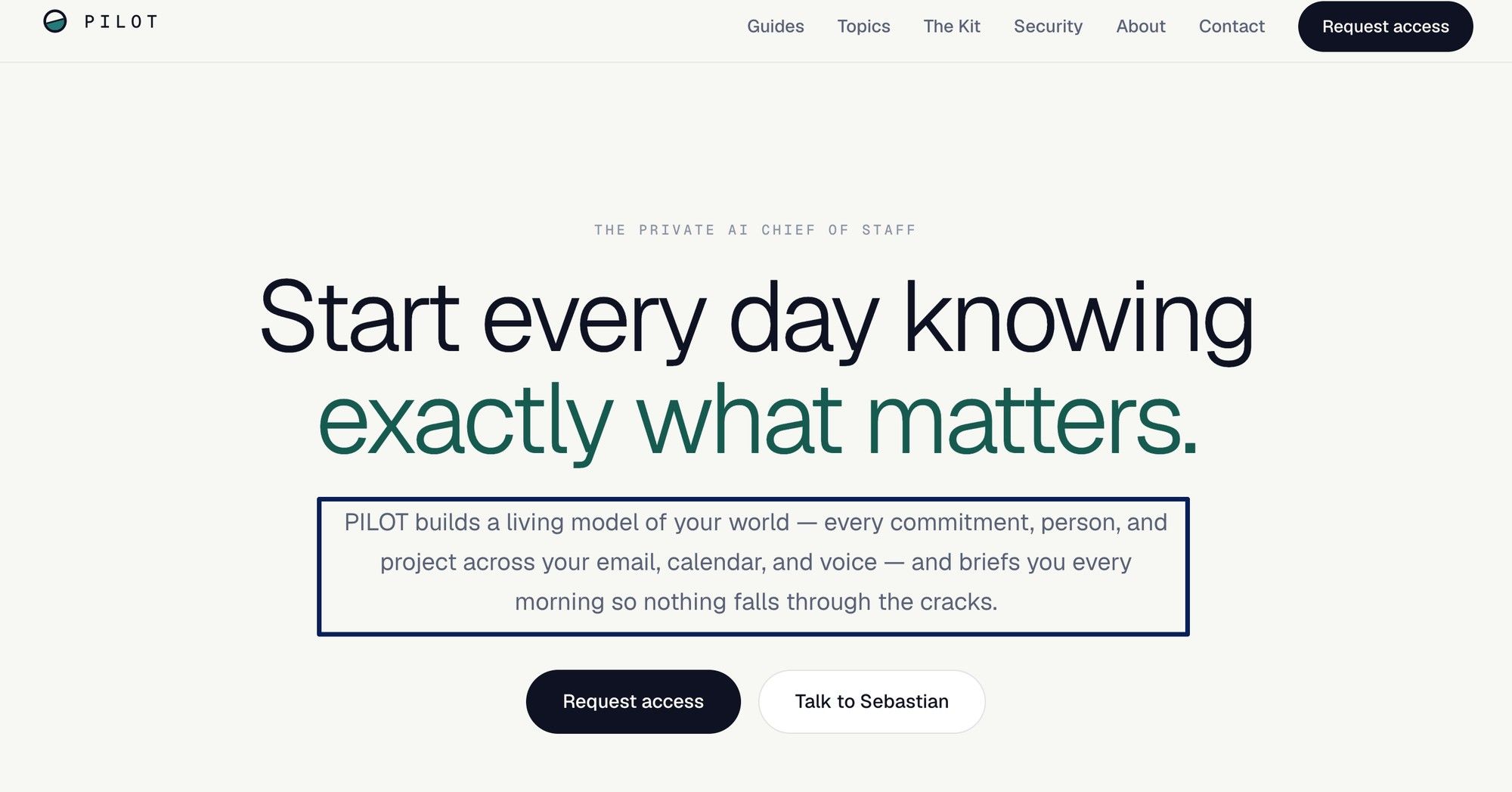
PILOT frames a private AI chief of staff as a living model across email, calendar, voice, commitments, people, and projects, with morning briefings, stale commitment detection, weekly review, and approval before outbound sends.
A useful founder briefing AI should say, "This is the promise at risk," not "Here are 42 things that happened."
Executing Approved Follow-Up
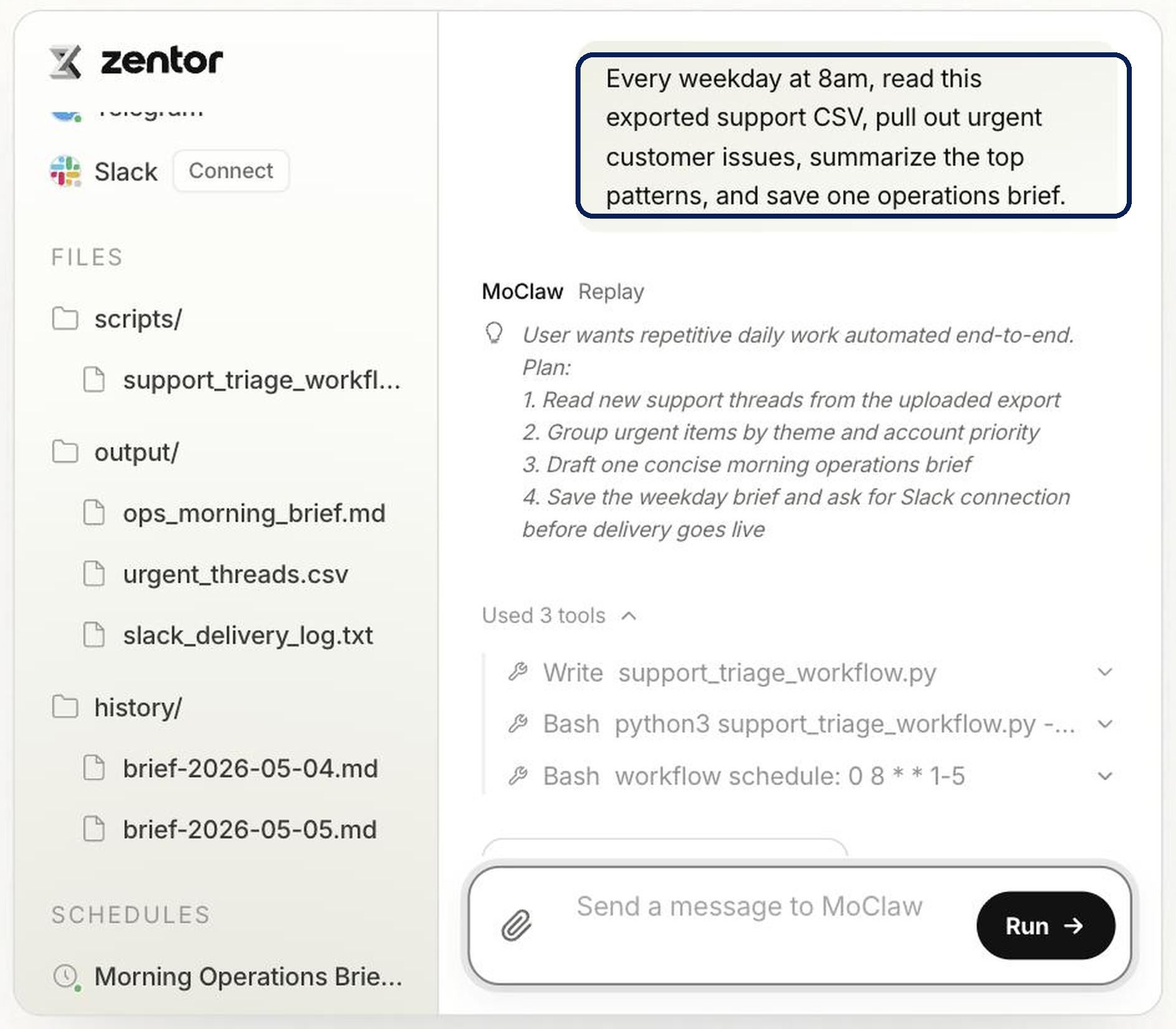
An always-on assistant becomes useful after the founder has decided. In MoClaw's case, the AI workflow automation workspace covers recurring browser tasks, file workflows, research, and reports. The AI cloud computer gives the assistant a persistent filesystem, browser, shell, and state across sessions.
That is founder workflow automation in the execution sense: preparing follow-up once the founder approves the direction.
Compare Context Continuity
Context continuity means different things in each role. PILOT emphasizes a private knowledge graph across people, projects, commitments, and decisions. The AI chief of staff page describes morning briefings, email triage, voice capture, decision logs, and knowledge graph context.
An always-on assistant needs task state. Can the browser session persist? Are files still there next week? Can a scheduled run reuse the same report format? Can the assistant return evidence without a fresh briefing?
In a recurring follow-up workflow, the chief-of-staff layer remembers why the follow-up matters. The always-on layer remembers what still needs to be done.
Compare Human Oversight
Human oversight is where both roles need discipline. PILOT emphasizes that outbound writes wait for approval, which matters because a draft email, investor reply, or customer escalation can carry business risk.
An always-on assistant also needs review points. For founder follow-up, the safe flow is simple: approve intent, prepare work, then review the final send, file update, CRM change, or calendar action.
The difference is accountability. PILOT helps decide what enters the review queue. The assistant helps the approved item survive execution.
Choose the Role That Matches Your Bottleneck
If the founder wakes up wondering what matters, start with the chief-of-staff role. If the founder knows what matters but keeps losing execution threads, start with the always-on assistant role.
A practical test is one recurring decision-to-follow-up workflow. Pick one account, investor, candidate, or partner relationship. Let the chief-of-staff role identify the priority and next move. Then let the assistant prepare the package: draft, links, file, reminder, and status. If the workflow fails, ask where it failed. Was the priority wrong, or did execution stall?
Trade-Offs Before You Combine Both
Combining both roles can work, but it creates more surfaces to govern: source visibility, export, deletion, billing, support, channels, and approval rules.
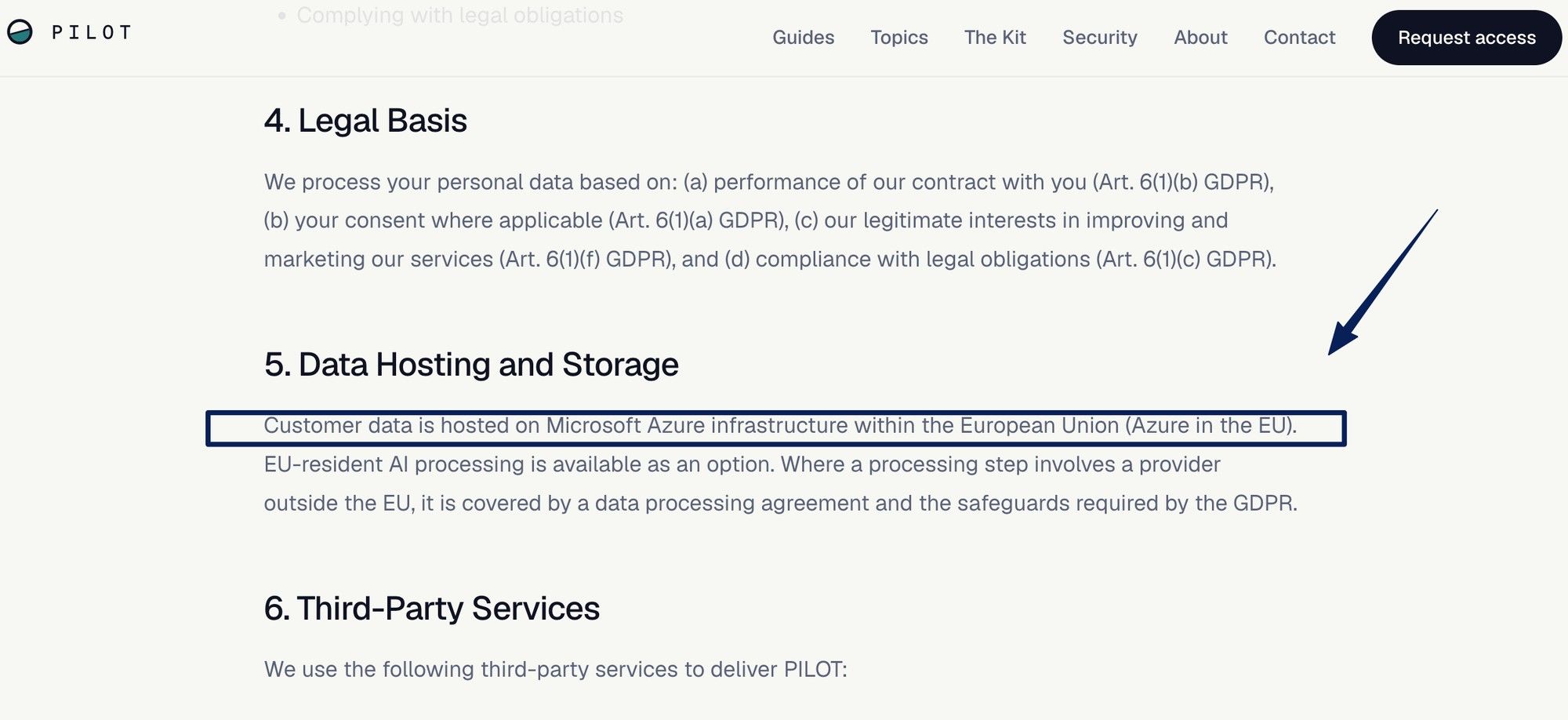
PILOT's privacy materials state that customer data is hosted on Microsoft Azure infrastructure within the European Union, EU-resident AI processing is available as an option, Microsoft Graph and Google APIs are used only when connected, and account deletion removes personal data within 30 days except legal-retention cases. Verify setup during onboarding.
For MoClaw or any persistent digital worker, verify which tools can act, which runs are scheduled, where files live, who reviews outputs, and what happens when a run fails.
FAQ
Can PILOT export a founder brief for external review? Ask before boarding. PILOT's privacy language includes data portability, but trial users should verify whether briefings export as PDF, Markdown, CSV, JSON, or another reviewable format.
Does PILOT publish plan tiers or API access? Not on its public pages. There is no pricing page and no published plan list, so which tier applies, whether an API exists, and what its limits are all have to be settled during onboarding rather than checked in advance.
Can founding users limit PILOT to read-only access? PILOT emphasizes approval before outbound sends, but founders should confirm whether connected accounts can be limited to read-only scopes for finance, investor, and customer communication.
How does PILOT handle deleted calendar or email events? Test this with harmless sample data. Check whether deleted or changed items remain in briefing history, disappear from future summaries, or stay as audit context.
Which channels does PILOT show publicly? Email, calendar, voice capture, and a native iOS app. Chat tools are not listed as PILOT surfaces, so confirm during onboarding whether the channels your follow-up actually lives in are covered.
Pick the Missing Role, Not the Shinier Label
The best PILOT AI chief of staff comparison is not "which AI sounds smarter?" It is whether the founder needs help choosing the right follow-up or carrying out an approved one. PILOT appears centered on executive context: understanding commitments, relationships, decisions, and what deserves attention next. A persistent execution assistant becomes more distinct when approved work has to continue through browser research, files, scheduled runs, and review across later sessions.
The roles overlap. The useful comparison is where each one carries more of the workflow.
Continue Reading
More Comparison
MoClaw vs ChatGPT Agent vs Zapier (2026)
OpenClaw vs ChatGPT vs Managed Assistant

Managed OpenClaw Alternative: No Self-Hosting

OpenCode vs Claude Code: What Actually Differs

Hermes Desktop vs Bot Mode: Sessions or Bots?

Lindy vs MoClaw: Teammate or Cloud Computer?
The MoClaw editorial team writes about workflow automation, AI agents, and the tools we build. Default byline for industry overviews, listicles, and collaborative pieces.
Choosing between tools? Let MoClaw run the work.
Always-on AI assistant on its own cloud computer. No switching required, no setup.
References: Atlassian — State of Teams 2024 · PILOT — private AI chief of staff · PILOT — AI Chief of Staff · PILOT — Privacy Policy