OpenClaw vs ChatGPT vs Managed Assistant

OpenClaw vs ChatGPT vs a managed AI assistant: how self-hosted agents, cloud chatbots, and hosted assistants differ, and which one actually fits you.
Table of Contents
OpenClaw vs ChatGPT is not really one choice, because the two are not the same kind of tool. ChatGPT is a cloud product you ask things: it answers, reasons, drafts, and in its agent mode can take some actions inside a session. OpenClaw is an open-source AI agent you run on your own hardware: it executes real tasks across your files, browser, and apps, and you maintain it yourself. A managed AI assistant sits between them: it executes tasks like an agent, but someone else hosts and runs it, so you never touch a server.
Key takeaways:
- ChatGPT is best when you mostly need answers, reasoning, and drafts, with optional in-session task execution.
- OpenClaw is best when you want full control and data ownership, and you are willing to install, secure, and maintain it.
- A managed assistant is the always-on AI assistant category, and it is best when you want tasks done in the background without running anything yourself.
- This is the core of every self-hosted vs cloud AI assistant decision: who runs the machine, you or someone else.
- None of the three is the winner. The right pick depends on whether you want answers, control, or hands-off execution.
Vera here. One-person practice, mostly research and operations. I use ChatGPT daily, I read through OpenClaw seriously, and I've been running recurring tasks through a managed assistant long enough to have opinions. One thing upfront: I write for Zentor, which is the managed option I land on. That's worth knowing. What I can tell you is all three tools have real cases where they're the right pick, and which one that is depends on the kind of work you have, not which one is generally better. I'm only describing my setup. Yours might point somewhere else, and that would be correct.
Three Different Things, Not One Choice
The reason OpenClaw vs ChatGPT trips people up is that the two answer different questions. One gives you information. One does work on your machine. Putting them head to head is a bit like comparing a calculator to a contractor.
OpenClaw is the clearest case of the second kind. It went viral fast: it crossed 100,000 GitHub stars within weeks and went through two renames in a single week. The first, from Clawdbot to Moltbot, followed trademark concerns raised over the similarity to Claude. The second, from Moltbot to OpenClaw, and the project settled on its current identity by late January 2026. These details moved fast and across multiple channels; if you're verifying any of it, the project's announcement threads are the source of record, not this post.
ChatGPT, answers and reasoning
ChatGPT is where I think out loud. I ask it to explain something, draft an email, summarize a document, weigh two approaches. It is fast, and the ecosystem around it is deep. For pure "help me figure this out," I have not found anything I would swap it for.
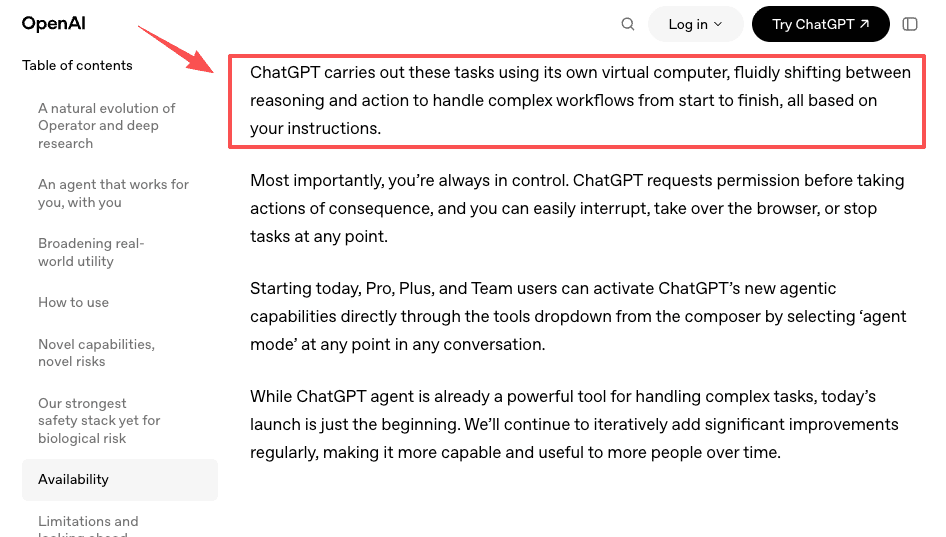
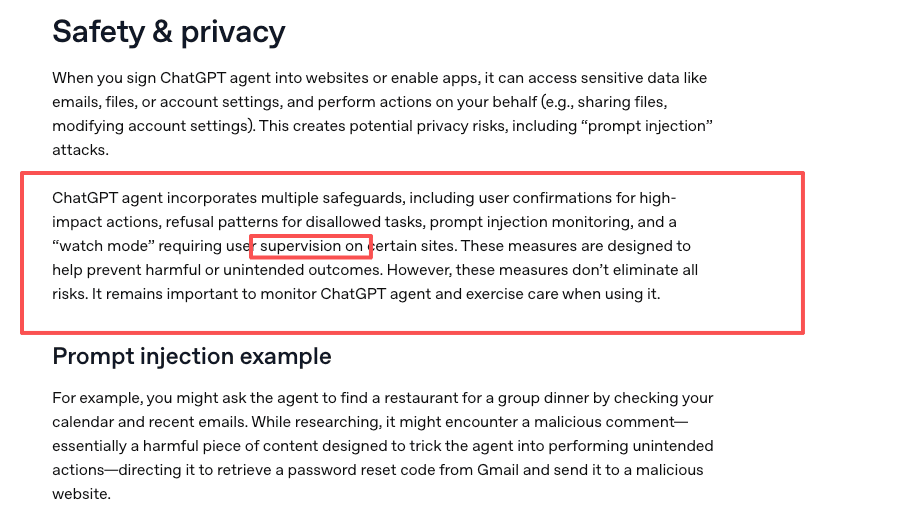
It is not only a chatbox anymore. ChatGPT's agent mode can browse sites, fill forms, work with files, and use a virtual computer to finish a task while you watch. That is real execution. But it runs as a session you start and supervise, and the agent goes quiet once that session ends. ChatGPT helps me think. It does not sit in the background holding a recurring job for me.
OpenClaw, self-hosted agent that executes
OpenClaw is the opposite trade. It is a free, open-source AI agent you run on your own hardware, and it acts: read and write files, run commands, control a browser, send messages through apps like Telegram or WhatsApp. You own the machine, you own the data, and nothing leaves unless you allow it. For people who care about control, that is the entire appeal.
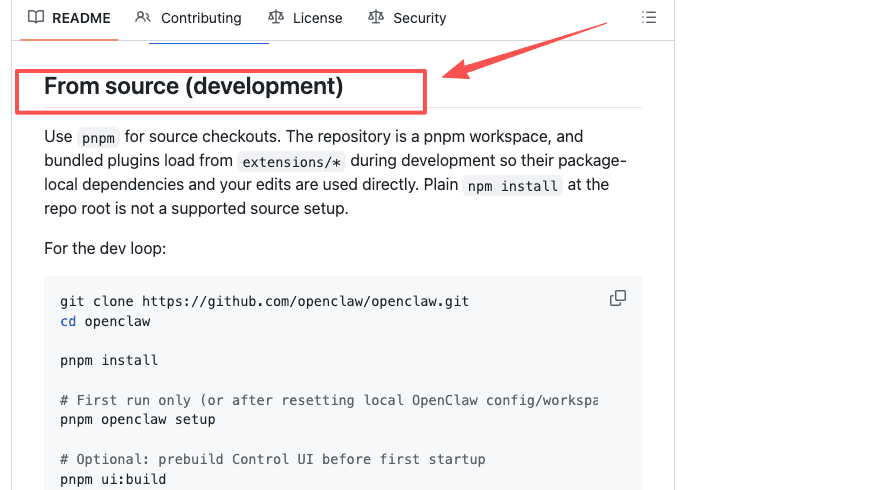
The cost is that you are now the operator. You install it, set up a runtime and an API key, and handle updates and security yourself. That last part is not theoretical. An agent with broad access to your accounts and files is a real attack surface, and plenty of self-hosted instances have been left exposed online. I looked at OpenClaw, sat with the maintenance, and decided it was not a job I wanted. That is a statement about me, not about the tool.
Managed assistant, execution without self-hosting
A managed AI assistant keeps the "it does things" part of OpenClaw and removes the "you run it" part. It executes tasks in the cloud, on someone else's infrastructure, and you reach it by chatting. This is the always-on AI assistant category: it stays online, it can run on a schedule, and it can keep working after you close your laptop.
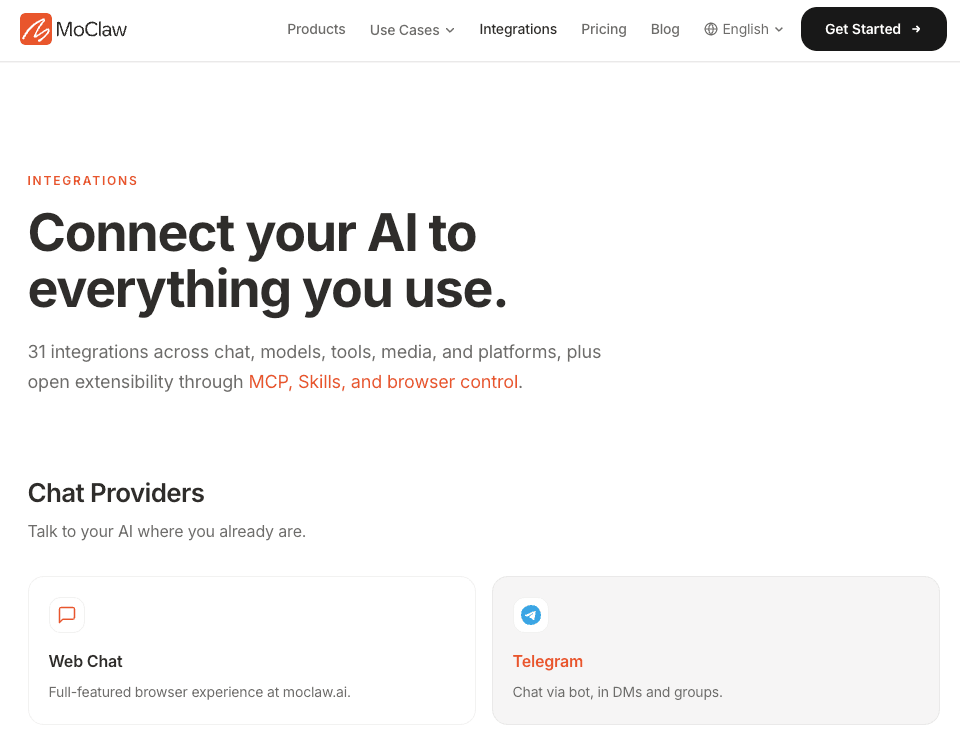
Zentor is the one I use here. You reach it from the chat apps you already have open, like Telegram or Slack, and it runs tasks on its own cloud computer, so there is no install and nothing to maintain on your side.
What I gave up by going managed is control. The machine is not mine the way an OpenClaw box would be. What I got back was not having to think about it. For my work, that was the trade I wanted.
Side-by-Side: Setup, Control, Maintenance, Execution
Here are the four things that actually separate these tools. The ChatGPT and OpenClaw columns are from my own hands-on use; the managed column is the one I use daily (Zentor), so read it knowing I'm a user, not an auditor. I've flagged where that's a positioning claim rather than something I independently benchmarked. Check each provider's docs for current specifics.
| ChatGPT (with agent mode) | OpenClaw | Managed assistant (e.g. Zentor) | |
|---|---|---|---|
| Setup | Sign in and type. Nothing to install. | Install on your own hardware and configure it. | Sign in and chat. No install, no setup. |
| Control | OpenAI runs it. You guide and supervise. | Full control. Your machine, your data, your rules. | Managed for you. Runs in your own cloud space. |
| Maintenance | None on your side. | You patch, secure, and update it yourself. | None on your side. Though you're trusting the vendor's uptime and data handling instead of your own. |
| Execution | Answers and reasoning. Agent mode acts inside a session. | Broad access. Acts across your files, browser, and apps. | Runs tasks in the cloud. Can work in the background. |
The pattern is the same one sitting under the whole self-hosted vs cloud AI assistant question. Self-hosting buys control and costs you maintenance. Cloud buys convenience and costs you control. There is no option that hands you both.
Which One Fits Your Situation
I am not going to tell you which to pick, because the answer changes per person. Here is the framework I used to land on an answer in the OpenClaw vs ChatGPT vs managed question.
If you mostly need answers
Stay with ChatGPT. If most of what you want from AI is thinking, drafting, research, and the occasional supervised task, you already have the right tool. Adding an agent you have to host, or a managed assistant you have to configure, solves a problem you may not have yet. Do not buy execution you will not use.
If you want full control and can maintain it
OpenClaw is the strong pick, with one honest condition: you have to want to be the operator. You will keep a runtime and its dependencies current and stay on top of security for something that can reach your files and accounts. If that sounds like a project you would enjoy, the control and data ownership are hard to beat. If it sounds like one more thing to maintain, that is a signal in itself.
If you want tasks done without servers
This is the case for a managed, always-on assistant, and it is the one that fits an AI agent for non-technical users best. You get background execution and scheduled tasks without installing or securing anything. You trade away control of the machine. For me, running a practice alone, that trade was easy. I send a task and close my phone. It is running, and I am not watching it. Whether that maps to you depends on how much control you actually need, against how much busywork you want off your plate.
FAQ
If I'm already using ChatGPT every day, what would actually change if I added a managed assistant?
The job changes, not the tool. ChatGPT handles the things you bring to it: a question, a document, a decision to think through. A managed assistant handles the things that should run without you bringing them: a daily summary, a weekly monitoring task, a recurring research job. The two do not compete for the same slot. If you have recurring work you keep doing by hand because no tool was obviously right for it, that is the gap a managed assistant fills.
What happens to an OpenClaw task if my server goes down overnight?
It stops. OpenClaw runs on your hardware, so if the machine reboots, loses power, or hits a resource limit, the scheduled task does not fire until you bring it back up. Monitoring uptime becomes part of the job even when nothing about the agent itself has changed. This is one of the quieter costs of self-hosting that shows up only after you have been running it for a while.
Do I need technical skills to use OpenClaw?
Yes, more than most people expect. OpenClaw is self-hosted, so you install it on your own hardware, set up a runtime and an API key, and handle updates and security yourself. It is workable if you are comfortable with that. If you do not want to run or secure software, a managed assistant removes those steps. Check OpenClaw's current docs, since setup details change.
Can I use ChatGPT's agent mode instead of OpenClaw for recurring tasks?
For one-off tasks, yes. ChatGPT's agent mode can handle a multi-step job inside a supervised session. For recurring tasks that should run on a schedule without you starting them, no. The session ends when you close it, and there is nothing holding the job between runs. If you want something to run every morning and deliver output whether or not you are at your desk, you need either a self-hosted agent that stays online or a managed assistant that does.
Is there a middle ground between full self-hosting and just using ChatGPT?
Yes, and that is what the managed assistant category is. You get background execution and scheduled tasks without installing or maintaining anything yourself. The tradeoff is that the infrastructure runs on someone else's machine, so you have less control over where your data lives and how the runtime behaves. For people who want the outcomes without the operations, it is the practical middle ground. For people who need source-level control or full data ownership, self-hosting is still the right call.
OpenClaw vs ChatGPT: Pick by Whether You Want to Think, Control, or Hand Off
I came into this comparison using all three in some form, and that is where I still am. ChatGPT is where I think. I have not found anything I would swap it for on that job. OpenClaw is where you would go if the data ownership and the control matter more than the setup cost, and you genuinely want to be the person maintaining it. The managed assistant is where I ended up for the recurring work: it runs, I do not tend it, and I did not have to touch a server to make that happen.
None of them is the wrong answer. The question is which job you actually have in front of you.
Continue Reading
More Comparison
PILOT AI Chief of Staff vs Always-On Agent

DeepSeek Harness vs Zentor (2026)

Managed OpenClaw Alternative: No Self-Hosting
Zentor vs ChatGPT Agent vs Zapier (2026)
Autonomous AI Agents: Self-Host vs Managed

Cursor Projects vs Background Agents
The Zentor editorial team writes about workflow automation, AI agents, and the tools we build. Default byline for industry overviews, listicles, and collaborative pieces.
Choosing between tools? Let MoClaw run the work.
Always-on AI assistant on its own cloud computer. No switching required, no setup.
References: OpenClaw (open-source project) · ChatGPT agent mode (OpenAI) · ChatGPT agent help docs (OpenAI) · Censys: OpenClaw public exposure mapping · TechCrunch: OpenClaw rename and rise