Automating Fast-Changing Data Needs Review

Automating fast-changing data is quick to start and easy to get wrong. See the three checkpoints that stop stale or mistranslated values before they publish.
Table of Contents
To automate fast-changing data means letting a system fetch, transform, and publish information that updates often (schedules, rankings, prices, live results) without you triggering each step by hand. The catch is that "fast-changing" and "publish unattended" pull in opposite directions, which is why a review layer sits between the two.
Key Takeaways
- Fast-changing data breaks the usual automation assumption that yesterday's source is still correct today.
- The most common failure is not a crash. It is a stale or mislabeled value that publishes cleanly and looks fine.
- A workable pipeline keeps three human-or-rule checkpoints before publish: source verification, human review, and an approval handoff.
- Sports data is a clean teaching example because changes are frequent, public, and easy to get wrong.
This content is produced by Zentor. I'm Vera, a Zentor staff writer, and I use it daily in my market research and operations support work. This piece comes out of a recurring monitoring task I've been running since March 9, 2026. By the time I wrote this it had run 71 times across 71 days and consumed 412 credits, roughly 5.8 per run. It works. It also tried to publish a value that was two days old on run 14, and that incident is most of why I'm writing this.
Why Fast-Changing Data Is Hard to Automate
Most automation rests on a quiet assumption: the source you read yesterday is still the source you should read today. That assumption holds for a product manual. It falls apart for anything that updates on its own schedule.
The problem isn't fetching. Fetching is easy. The problem is knowing whether what you fetched is current, and whether it still means what it meant last week. A page can load with a 200 status and still serve a cached value from two days ago. Nothing errors. The number is just wrong.
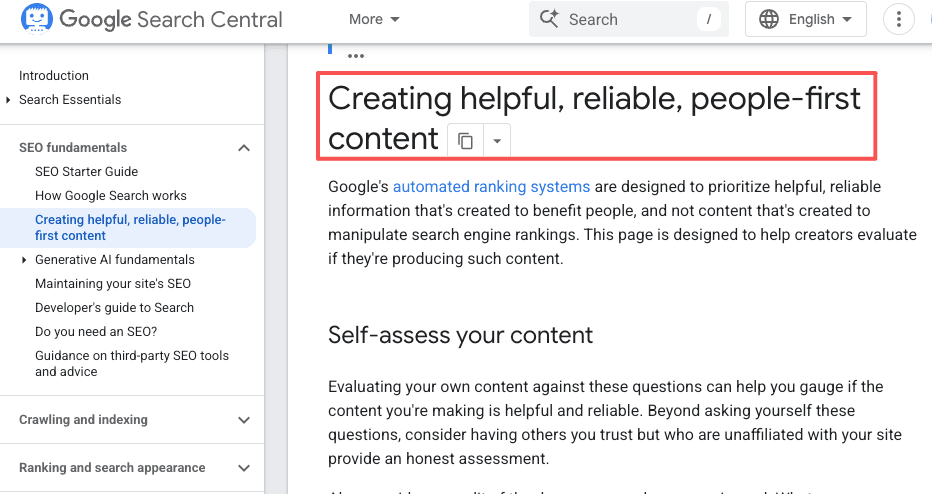
This is where I started paying attention to what Google actually rewards. Its guidance on helpful, people-first content puts trust at the center of E-E-A-T, and stale published data is one of the fastest ways to lose it. The cost of one wrong number isn't the number. It's that the reader stops believing the next ten.
Sports Updates as a Practical Example
I don't write about sports. But sports data is the example I keep reaching for when I explain this to clients, because it changes constantly, it's public, and the failure modes are obvious to anyone.
Schedule changes
A fixture moves. The kickoff slips an hour, the venue swaps, a match gets postponed. If your pipeline cached the original time and never re-checked, it will confidently publish the old one. I've watched this happen with pricing pages too. The mechanism is identical: the system trusts a snapshot that's no longer true.
Rankings and source checks
Rankings reorder more often than people expect, and different sources update on different clocks. One feed refreshes hourly, another twice a day. Pull from the slow one and you've published a ranking that was correct this morning and wrong by lunch. Source verification here isn't optional. It's the difference between "current" and "was current."
Translation and publishing prep
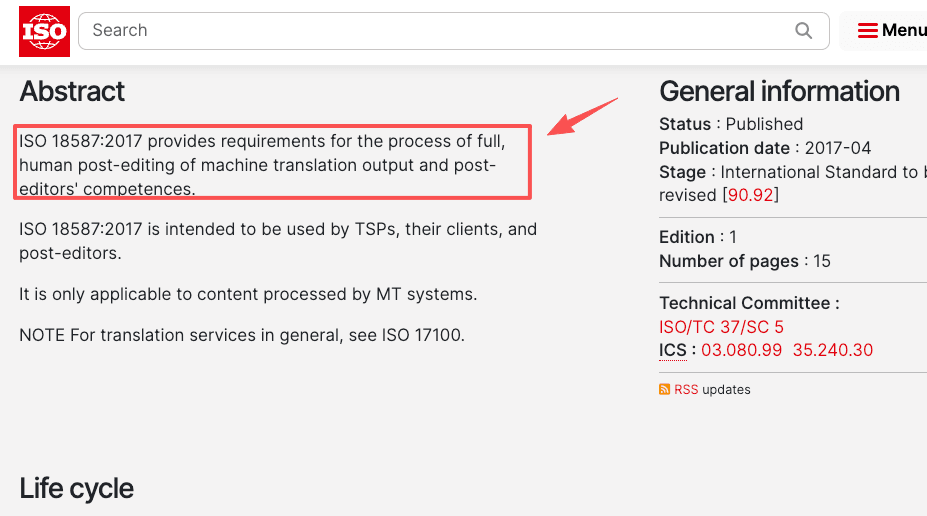
A lot of fast-moving data gets localized before it ships. This is where meaning quietly drifts. A machine translation can flip a result, soften a "postponed" into a "delayed," or mistranslate a position. There's an entire international standard for exactly this risk: ISO 18587 on post-editing machine translation output exists because raw machine output is treated as a draft that a human has to validate, not a finished product. Translation is a publishing step, not a formatting step.
Where Agent Workflows Can Go Wrong
When you hand fast-changing data to an agent, the failures cluster in four spots. None of them look like a crash.
Outdated source reused as current
The agent reads a cached or archived page and presents it as live. This was my run-14 problem. The fetch succeeded, the value was two days stale, and the output looked completely normal.
Missing timestamp or source label
The data publishes with no "as of" time and no source attribution. Now nobody, including you, can tell whether it's fresh. Untagged data is unverifiable data.
Translation changes the meaning
Covered above. Worth repeating because it's the failure people least expect. The pipeline ran perfectly and still shipped something false.
Publishing before fallback checks are completed
The agent races to publish before its own verification step finishes. Speed beats correctness, and the wrong value goes out.
| Failure mode | What it looks like | Why it's hard to catch |
|---|---|---|
| Outdated source reused as current | Output looks valid, value is stale | Fetch returns 200 status, no error |
| Missing timestamp or source label | No way to verify freshness | Absence of metadata is invisible |
| Translation changes meaning | Plausible output, wrong fact | Passes automated checks |
| Publishing before verification finishes | Speed beats correctness | Race condition in the pipeline |
The Review Layer Before Publishing
So the question isn't "can I automate this." It's "what stays manual." For fast-changing data, three checkpoints earn their place.
Source verification
Before anything moves forward, confirm the source is the freshest available and that the value matches across at least two reads. This catches the stale-cache problem. It's also where a "last updated" timestamp gets captured and carried through the rest of the pipeline.
Human review
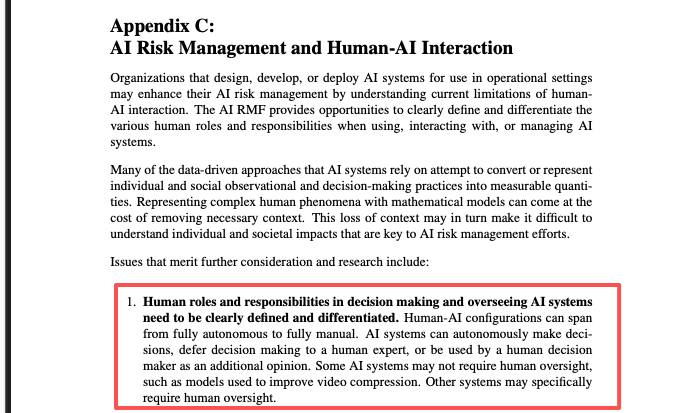
A person looks at the final value in context. Not every run, but on a sampling basis and always when something looks off. This isn't ceremony. Government guidance on automated systems, including the NIST AI Risk Management Framework, treats meaningful human oversight as a core control precisely because automated outputs can materially mislead. The review step is the control.
Approval and publish handoff
Nothing publishes until it clears an explicit gate. The agent prepares; a human or a hard rule approves; then it ships. This ordering is the whole game. Prepare, approve, publish, in that sequence, never collapsed into one.
That's the part I had backwards at first. I kept calculating how long the checks would slow me down. I wasn't calculating how long one bad publish would keep costing me in trust I'd have to rebuild.
How Zentor Helps Keep Data Workflows Reviewable
What I use Zentor for here is narrow, and inside that scope it's real. It runs the fetch and the prep on a schedule on its own cloud computer, captures the source and timestamp, and stops at a handoff instead of publishing. I get the prepared output, I approve or kill it, and only then does it go out. The agent does the motion. The decision stays mine.
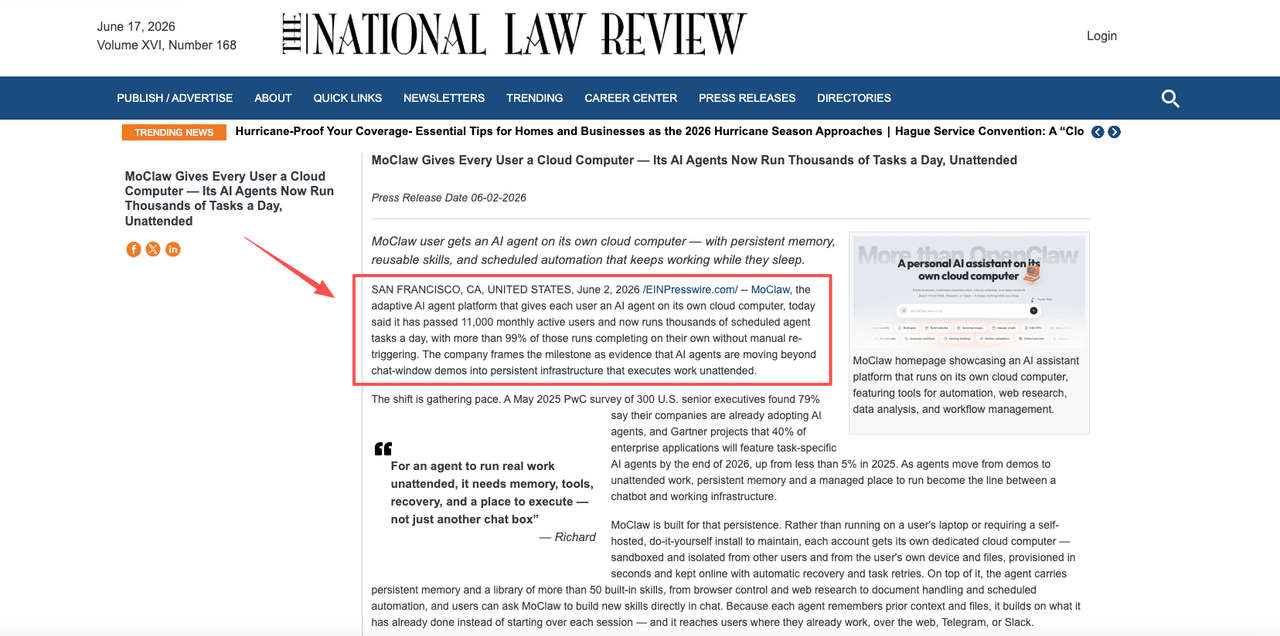
The numbers it reports help, because credit cost is the thing people in my situation actually worry about. Across Zentor's platform, the company says more than 99% of scheduled runs now complete without manual re-triggering (reported in early June 2026). That's the fetch reliability. It is not a claim that the output is correct, and I'd be suspicious of any tool that conflated the two. If you want to see the shape of these tasks, Zentor's use case library has the recurring-monitoring templates I started from.
Workflow automation didn't remove the review step for me. It moved the review step to the only place that matters, right before publish, and took everything else off my plate.
FAQ
What kind of data updates are most risky to publish without human review?
Anything where the value is time-sensitive and a wrong version still looks valid. Live scores, rankings, prices, and availability are the worst offenders, because a stale number publishes as cleanly as a current one. The risk isn't a visible error. It's a plausible wrong answer nobody flags.
How do teams usually handle sudden changes in fast-moving data sources?
Most add a freshness check that re-reads the source at publish time and compares it against the cached value. If the two disagree, the pipeline pauses and routes to a person instead of auto-resolving. Schedule frequency gets tuned to how fast that specific source actually moves, not a default.
How do you know when your pipeline is ready to publish without a human in the loop?
The test I use: if a wrong output from this pipeline would cost more than five minutes to catch and correct, it does not publish unattended yet. That threshold moves as the pipeline matures. A new data source, a new translation step, or a new publish target resets it. The first twenty or thirty runs on any new configuration are sampling runs: a human checks each one, not for the output to be perfect, but to find out what "wrong" looks like so the review rule can be written for it.
How should teams design fallback rules when automated data updates go wrong?
Fail to a hold, never to a guess. When a check can't confirm freshness or two sources conflict, the rule should stop the publish and notify a human, not pick a value and proceed. Pair that with mandatory source and timestamp labels so any held item can be diagnosed fast.
Automate Fast-Changing Data When the Failure Mode Is Cheap, Keep Review When It Isn't
Here's the line I use. Automate fast-changing data fully when a wrong output is cheap to undo and easy to spot. Keep a human in the loop when a wrong output looks correct and travels before anyone notices. Sports data, prices, rankings, live status, those sit on the expensive side, so the agent prepares and a person approves. The automation is worth setting up. The review is worth keeping. Those aren't in tension once you put them in the right order.
Continue Reading
More Guide
AI Business Process Automation, Step by Step

ChatGPT Codex: From Chat to Tasks

Programmatic Tool Calling for Agents

pxpipe Workflow: Compress Context Safely

Skill Zoo: Reusable Agent Skills for AI Workflows

AI Agent Orchestration: Design Guide
The Zentor editorial team writes about workflow automation, AI agents, and the tools we build. Default byline for industry overviews, listicles, and collaborative pieces.
Ready to put this into practice?
MoClaw runs browser tasks, research, and schedules automatically. Try it free.
References: Google: creating helpful, people-first content · ISO 18587 post-editing of machine translation output · NIST AI Risk Management Framework · MoClaw cloud computer launch (National Law Review) · MDN: HTTP caching