AI Optimization Travel Under Human Review

AI optimization travel workflows can compare timing, cost, connections, and traveler constraints while keeping final choices under human review.
Table of Contents
AI optimization travel means using AI to compare trip options against known constraints, then keeping the final choice under human review. It does not mean the AI can guarantee the lowest fare, the best route, or live airline inventory.
Key takeaways:
- AI can compare routes, timing, costs, traveler preferences, and follow-up work, but payment, changes, and cancellation still need human approval.
- A useful travel planning workflow starts with hard constraints, current option collection, explainable ranking, and a saved decision record.
- Prices, inventory, baggage rules, visa or transit requirements, and refund terms must be checked on the current airline or booking platform page.
- MoClaw fits the operational layer: repeatable research, logs, review queues, and handoff records, not direct ticketing or supplier confirmation.
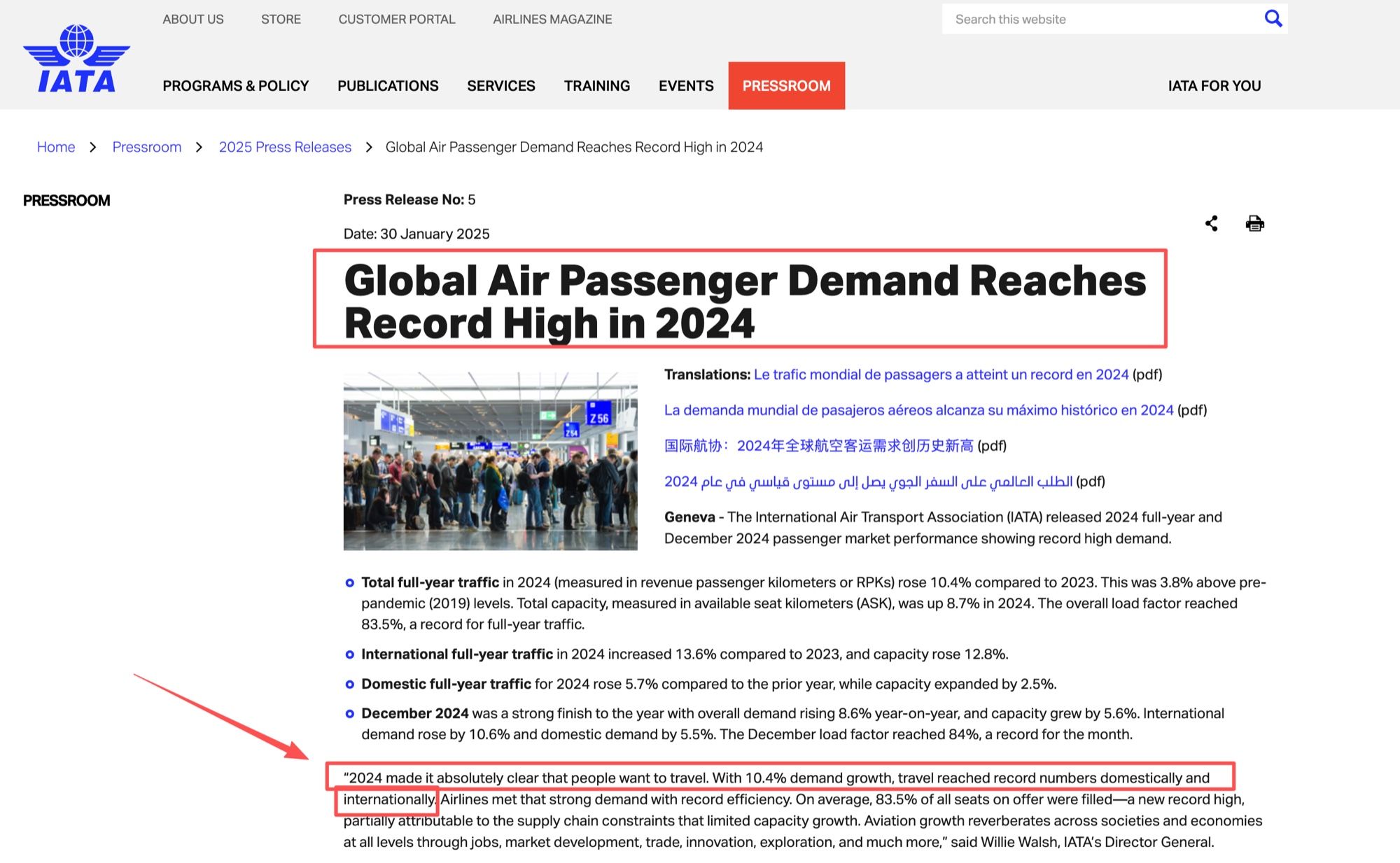
I started caring about reviewable optimization after helping structure a four-person work trip with more constraints than the itinerary first showed. In one planning pass, I compared 9 flight options across 3 arrival windows. The cheapest option saved about $140 per traveler, but it created a late-night airport transfer. The shortest option looked efficient, but it left only 55 minutes for a connection. The option that finally made sense was not the cheapest or the fastest. It was the one that got one traveler in before a client dinner, avoided the riskiest connection, and still stayed within the approval range. That discipline matters when global passenger traffic reached a record high in 2024, with full-year demand up 10.4% from 2023.
What Travel Optimization Actually Means
In this context, optimization means structured comparison. A generative AI optimization travel workflow can organize options by route, timing, cost, traveler preference, and policy fit, but it should not present temporary search results as final truth. A slightly higher fare may be better if it avoids an overnight layover before a workshop. Good itinerary optimization makes those trade-offs visible.
Price and timing constraints
Price is only one constraint. For business, client, or team travel, the comparison should also include the latest arrival, earliest departure, total travel time, fare class, baggage assumptions, refund limits, and the cost of missing a meeting.
The workflow should separate hard limits from preferences. "Arrive before 5 p.m." may be mandatory. "Avoid a 6 a.m. flight" may be optional unless there is a health, family, or policy reason.
Connections and ground travel
Connections often reveal the weakness in shallow travel automation. A 55-minute transfer may be acceptable at one airport and unreasonable at another. A cheaper airport may add a long train ride, a late taxi, or a hotel night that erases the savings. The workflow should optimize the whole trip, not just the flight row.
I have seen this happen in a simple airport comparison. One route looked cheaper by about $90, but it landed at a farther airport after 10 p.m. Once I added the late taxi, the longer transfer, and the chance of missing hotel check-in, the cheaper row stopped being the safer choice. That is the kind of detail a travel optimization workflow should surface before anyone approves the itinerary.
Traveler preferences
Traveler preferences are operational inputs. Seat needs, loyalty programs, accessibility constraints, hotel proximity, meal timing, language support, and preferred airport can all change the ranking. AI can turn scattered emails into a structured brief, but it should not store sensitive personal data without a clear reason or turn preferences into an automatic booking.
Build a Reviewable Optimization Workflow
A reviewable travel planning workflow is useful because another person can inspect it later. The goal is to make the decision path visible enough for approval, reruns, and handoffs.
Define hard constraints
Start with non-negotiables: dates, arrival deadlines, departure windows, maximum budget, required airports, accessibility needs, traveler risk tolerance, company policy, and whether the trip can be postponed. Many teams lose control by asking for "the best itinerary" too early. MoClaw's AI workflow automation model is useful here because a recurring process can produce the same kind of brief each time.
Collect current options
Current collection is fragile. Flight prices, hotel availability, baggage rules, visa or transit requirements, and refund terms can change between research and approval. The workflow should save the option source, collection time, visible fare conditions, and caveats for manual checking.
For U.S. air travel, advertised airfare must include mandatory taxes and fees, and travelers should still remember that ticket prices can change quickly. Before purchase, the reviewer should check the live airline or booking platform page.
Rank and explain trade-offs
Ranking should be explainable in plain language. The workflow can label each option as lowest cost, shortest travel time, lowest connection risk, best policy fit, or best traveler fit, then explain what each option sacrifices.
A simple comparison matrix makes the trade-offs easier to review. Using the four-person trip above, the decision could look like this:
| Comparison Factor | Lowest-Cost Option | Shortest Option | Best-Balanced Option |
|---|---|---|---|
| Cost | About $140 less per traveler | Not the lowest | Within the approval range |
| Arrival fit | Creates a late-night transfer | Faster overall | Arrives before the client dinner |
| Connection risk | Depending on the route | Only 55 minutes for the connection | Avoids the riskiest connection |
| Ground travel | Adds a late airport transfer | Depends on arrival at the airport | Better aligned with the planned schedule |
| Main trade-off | Lower fare, more operational friction | Faster trip, tighter connection | Slightly higher cost or travel time |
| Review outcome | Reject unless savings justify the added risk | Reject if the connection is too fragile | Preferred for this trip |
The point is not that the third option is universally better. It is better under this trip's constraints. If the arrival deadline, budget, or traveler needs change, the ranking should change too.
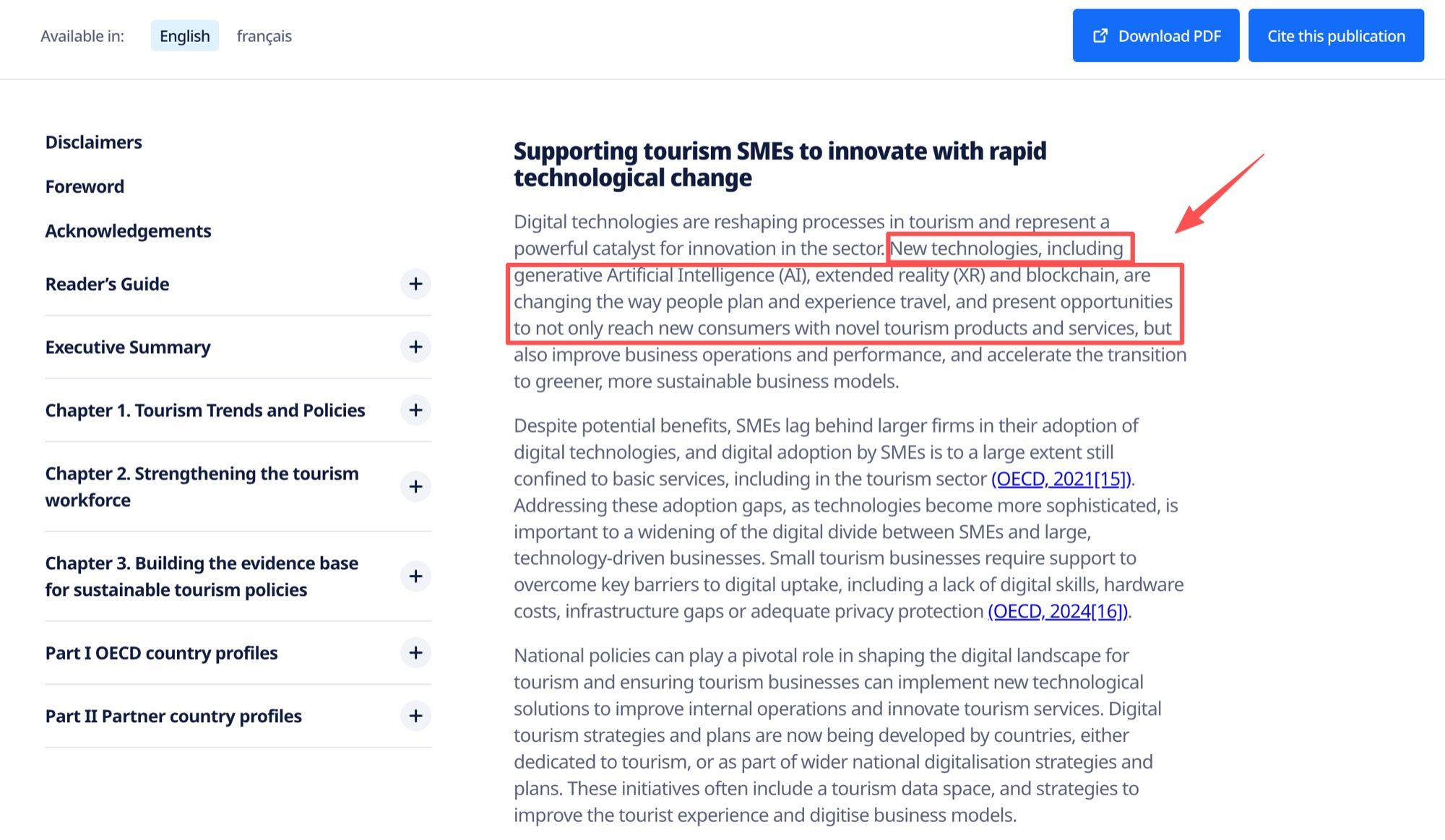
Tourism teams are already working in a sector where new technologies, including generative AI, change how people plan and experience travel. For assistants, consultants, and small teams, the near-term value is a repeatable comparison packet.
Save the decision record
The decision record should preserve options reviewed, constraints used, rejected alternatives, final recommendation, approval owner, timestamp, and source caveats. It helps a second coordinator understand why a cheaper route was rejected, why a slower route was approved, or why an itinerary needs a fresh review.
Where Travel Optimization Breaks Down
Travel optimization breaks down when temporary information is treated as settled fact. AI can compare what it collected, but it should not imply that a fare is still available, a seat is held, baggage is included, or a refund rule remains unchanged. The current airline, hotel, rail provider, or booking platform is the source to verify before action.
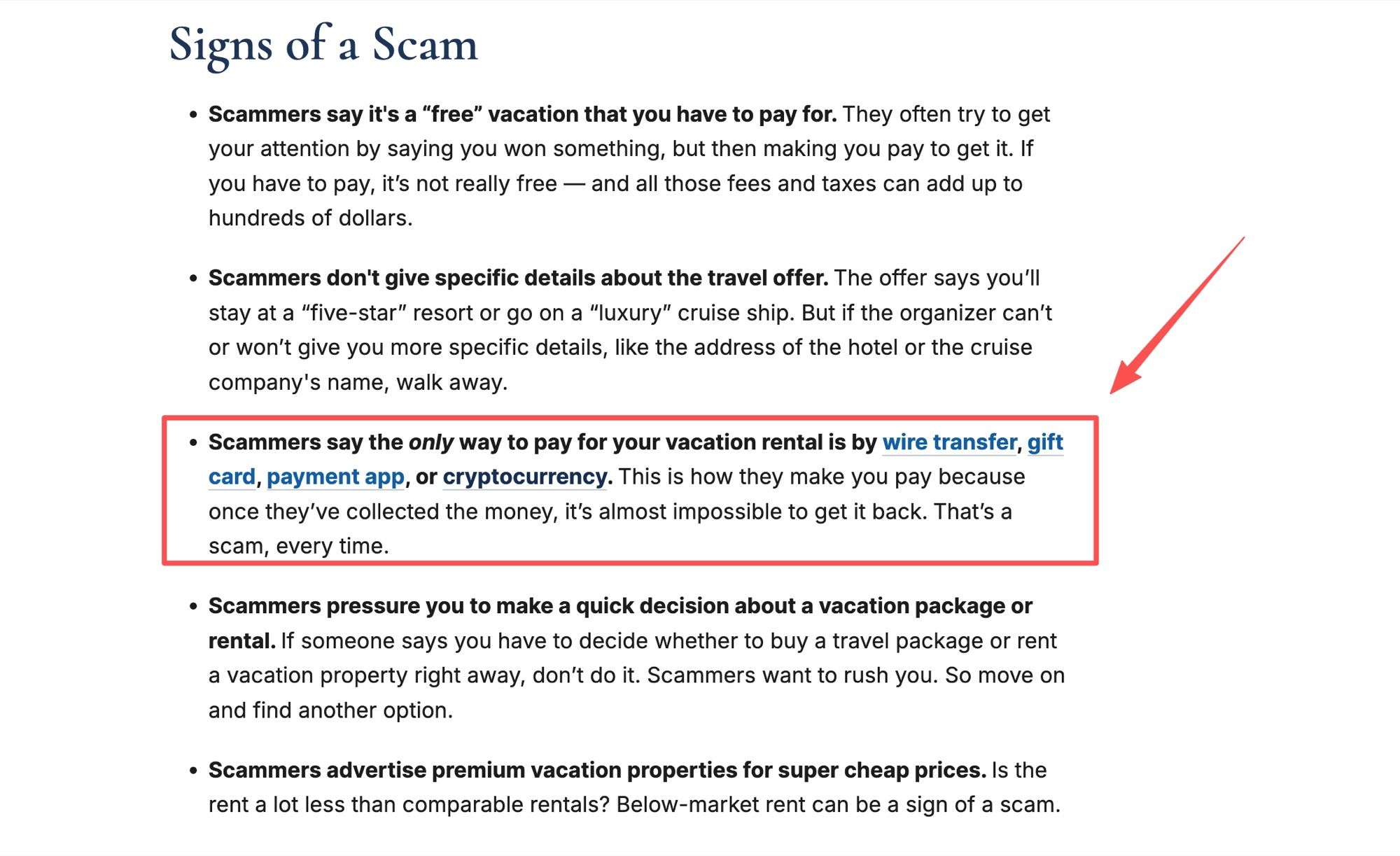
Payment is a separate boundary. A named person should approve the card, amount, traveler name, itinerary, refund terms, and cancellation impact. Fraud risk also belongs in review: travel buyers should be cautious when a seller demands wire transfers, gift cards, payment apps, or cryptocurrency.
The last failure point is conflict. A traveler may prefer comfort, finance may prefer cost, and a client schedule may require speed. The workflow can surface the conflict, but it cannot own the business decision.
How MoClaw Fits This Workflow
MoClaw fits the managed workflow layer around AI trip planning. It can help an operations person turn traveler intake, public research, notes, spreadsheets, and approval steps into a repeatable process. It should not be described as booking flights, connecting to a GDS, confirming supplier inventory, processing payments, or performing cancellation actions.
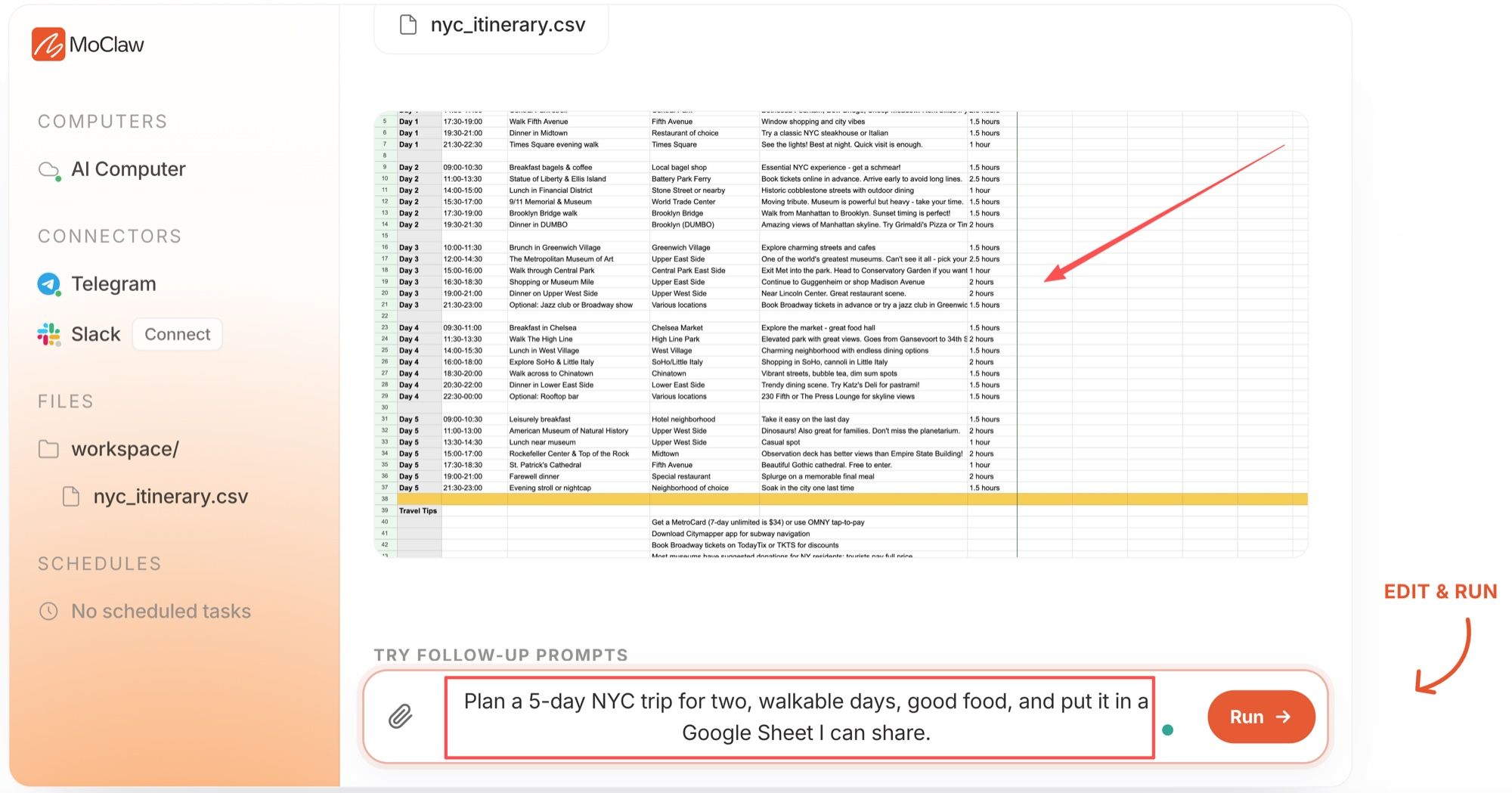
For itinerary drafts and shared planning records, the AI travel itinerary generator with Google Sheets is a close fit. For recurring checks, comparison briefs, and handoff logs, MoClaw's broader AI agent use cases show where repeatable research and reporting workflows belong.
The important boundary is simple: MoClaw can help make the research and handoff reviewable. The responsible person still verifies live prices, supplier rules, traveler details, payment approval, and any trip changes before action.
FAQ
What happens when a preferred route disappears after review?
Mark the reviewed option as expired. The old record explains the prior decision, while the rerun should collect current options and request fresh approval if price, timing, carrier, or policy fit changes materially.
Can teams compare two previously approved itineraries?
Yes, if both records preserved constraints, source time, fare assumptions, rejected options, approval owner, and final itinerary. The comparison should focus on decision quality and policy fit, not only which trip was cheaper afterward.
Who resolves conflicts between traveler and company priorities?
A named trip owner should resolve the conflict before purchase. For reimbursed travel, written company policy usually carries more weight than preference, but exceptions should be documented when health, safety, accessibility, or client obligations justify a different choice.
How should rejected travel options be deleted?
Rejected options should follow the team's retention policy. Keep only evidence needed for audit, reimbursement, dispute resolution, or workflow learning. Remove personal data, expired fare screenshots, identity details, and preference notes that no longer serve a legitimate planning purpose.
AI Optimization Travel Works Best With Human Ownership
AI optimization travel is useful when it reduces comparison work without hiding responsibility. Let AI organize options, explain trade-offs, and preserve the decision record, then let a human confirm the live source, payment, policy fit, and final itinerary. That balance turns AI trip planning from a clever draft into a workflow a busy team can trust.
Fact-check note: Vera prepared this article for MoClaw after reviewing aviation demand, travel technology, consumer protection, and workflow sources on August 10, 2026. The article treats optimization as research organization and decision preparation only. It does not present MoClaw as a flight-booking engine, payment processor, visa authority, GDS connection, or source of live supplier inventory.
Continue Reading
More Guide
Orca ADE: Parallel AI Agent Fleet Explained

Is ChatGPT Agent Free? It Starts at Plus $20

Is Manus AI Free? What You Actually Get

Is Genspark Free? The Free Tier Is 1 a Day

Is Skywork AI Free? The 120-Credit Daily Cap

Paperclip AI: An Org Chart for Your Agents
The MoClaw editorial team writes about workflow automation, AI agents, and the tools we build. Default byline for industry overviews, listicles, and collaborative pieces.
Ready to put this into practice?
MoClaw runs browser tasks, research, and schedules automatically. Try it free.
References: IATA - Global Air Passenger Demand Reaches Record High in 2024 · U.S. Department of Transportation - Buying a Ticket · OECD Tourism Trends and Policies 2024 - Supporting tourism SMEs to innovate with rapid technological change · FTC Consumer Advice - Avoid Scams When You Travel