Travel Agency App vs AI Workflow for Clients
Travel agency app or AI workflow? Compare client intake, itinerary research, booking records, change requests, and who must review each step.

Table of Contents
A travel agency app is the system of record for client profiles, booking documentation, and trip handoff, while an AI workflow prepares intake summaries, itinerary research, change drafts, and follow-up queues for review.
Key Takeaways
- Use a travel agency app when the record must be authoritative, auditable, and shared across agents.
- Use an AI workflow when the work is text-heavy, research-heavy, repetitive, or waiting for review.
- Keep payments, documents, supplier confirmations, cancellations, and sensitive client data under named human approval.
- The strongest setup is usually an agency operations app plus a reviewable client itinerary workflow around it.
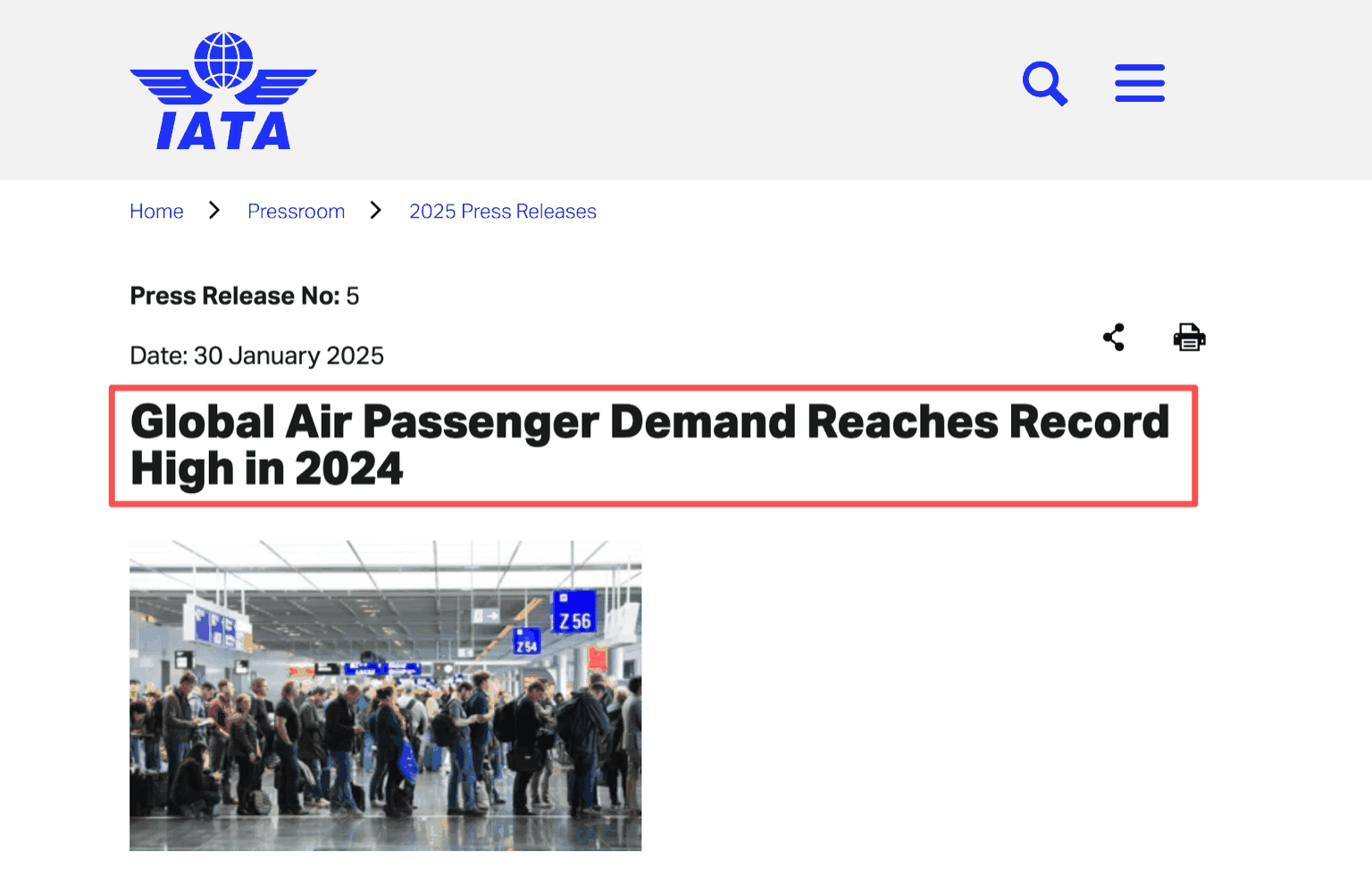
The moment that changed my rule was a Rome-Paris-London family trip. I thought the hard part would be choosing hotels. It was not. The thread had 18 operational details: 4 flight-window notes, 3 hotel timing questions, 2 dietary restrictions, 1 mobility note, 3 passport or ID reminders, 2 supplier confirmation checks, and 3 change requests. The AI summary looked clean, but it flattened one important difference: some details were preferences, some were confirmed records, and some still needed approval. That is when I stopped treating itinerary AI as the system of record. It can prepare the work. It should not own the final trip truth. The demand pressure is real too: global air passenger traffic reached a record high in 2024, which means more coordination for small teams without enterprise operations staff.
Quick Difference: Agency App vs AI Workflow
The quick difference is that the app owns the final record, while the AI workflow prepares work around that record. If a task changes payment, supplier status, identity data, cancellation status, or the approved itinerary, it belongs in the app or a human-approved process. If a task turns messy input into a summary, checklist, itinerary draft, or follow-up queue, AI can help.
Travel is not ordinary content work. A restaurant suggestion can be revised. A wrong passport name, payment instruction, or cancellation action can become expensive.
Split by responsibility rather than by feature, the division looks like this:
| Responsibility | Travel agency app | AI workflow | Who signs off |
|---|---|---|---|
| Client profile and preferences | Holds the approved profile | Drafts the intake summary, marks gaps | Advisor, before it becomes official |
| Itinerary research | Stores the final approved version | Compares neighborhoods, groups attractions, drafts pacing | Advisor picks what fits the traveler |
| Booking documentation | Source of truth for confirmation numbers, fare rules, refund terms | Extracts fields, builds a checklist | Advisor, against the supplier record |
| Supplier confirmation | Carries the confirmed status | Reads the confirmation email and pulls out details | Supplier or booking system, never the AI summary |
| Payment | Records what was quoted and charged | Compares totals, flags missing refund terms | Named human owner |
| Change requests | Logs the approved change and its history | Groups fragments, drafts the reply and supplier questions | Advisor, before the client sees it |
| Follow-up queue | Stores deadlines and owners | Groups open items by client, deadline, supplier, and risk | Advisor works the queue |
| Personal data | Access-controlled storage with retention rules | Sees only the minimum needed for the task | Advisor decides what gets shared |
Read the last column first. Every row where the sign-off belongs to a supplier, a booking system, or a named human is a row where an AI draft is input, not an answer.
Where a Travel Agency App Fits
A travel agency app fits where structure, continuity, and accountability matter. It should show what the client approved, which supplier confirmed, and which itinerary is final.
Structured client records
Structured client records belong in the app because preferences become operational facts. AI can summarize hotel style, transfers, seat preferences, meals, accessibility notes, and pace, but the approved profile should live in a controlled record.
This is especially important because trip profiles often include identity, mobility, health, loyalty, and emergency-contact details. A client profile should be controlled client information, not loose prompt material.
Booking documentation
Booking documentation needs one source of truth. Confirmation numbers, ticket rules, deposit dates, supplier names, refund terms, and insurance notes should not be scattered across email, chat, and spreadsheets. The app stores the official record, while AI can extract fields or prepare a checklist.
This is where travel booking automation needs a hard boundary. Automation can format details, but it should not say a reservation exists unless the supplier record or ticketing status has been reviewed.
Standardized handoff
Standardized handoff matters when a client moves from sales to planning, from planning to travel support, or from one advisor to another. A good agency operations app should answer practical questions without forcing reconstruction from memory.
The handoff should show what is approved, what is tentative, which suppliers confirmed, and what deadline comes next.
Where an AI Workflow Can Help
An AI workflow helps when the work is repetitive, text-heavy, and reviewable. It reduces the time spent turning scattered client input into something structured enough to review.
Summarize client intake
Client intake is useful and messy. A client may mention budget, room style, airport preference, dietary needs, passport timing, and family constraints across a call and emails. AI can turn that into a structured summary with missing questions clearly marked.
I would still review the summary before it becomes the official profile. The workflow should mark uncertain details as "needs confirmation" rather than smoothing them into facts.
Research itinerary options
Itinerary research is where an AI travel agent can save time without taking over the client relationship. It can compare neighborhoods, group attractions by geography, draft pacing, and explain trade-offs. The advisor still decides what fits the traveler. Flights deserve their own guardrails, because fares and seat inventory move faster than hotels or activities do; see our human-reviewed flight planning workflow for where AI should stop before the purchase step.
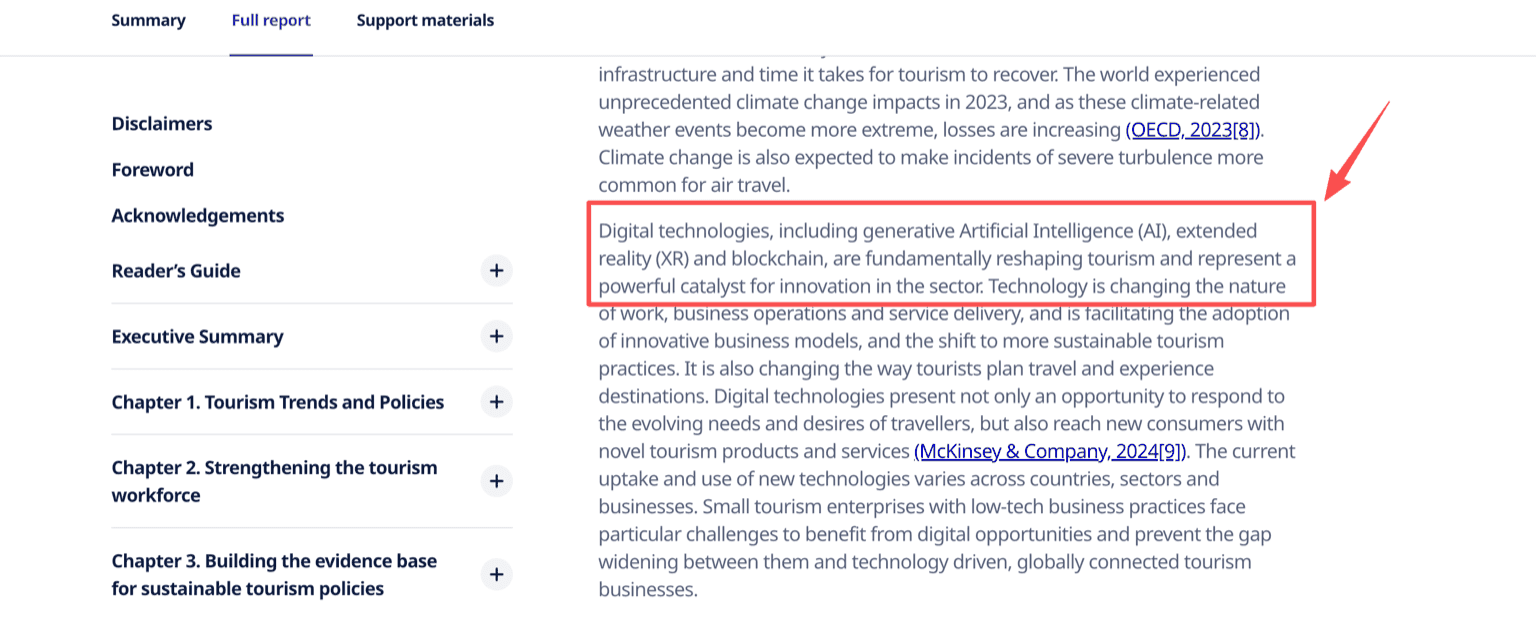
This fits the broader tourism shift. Digital technologies, including generative AI, are reshaping tourism processes, while smaller tourism firms still face barriers such as skills, cost, infrastructure, and privacy protection. That is why the workflow needs to be simple and narrow.
Draft change updates
Trip change management is a strong AI use case because clients often send changes in fragments. One message asks to move a tour. Another mentions a new arrival time. A third asks whether the hotel can hold luggage. AI can group updates, draft a reply, and prepare supplier questions.
The final answer still needs an owner. If a change affects price, cancellation terms, room inventory, flight status, or travel insurance, the responsible advisor should approve it before the client sees it.
Organize follow-up queues
Follow-up queues are where AI can quietly improve daily operations. It can group open items by client, deadline, supplier, and risk level.
A workflow that keeps the next action visible can be more useful than a polished itinerary draft.
Boundaries for Client Trip Automation
Client trip automation needs boundaries because travel work touches money, identity, mobility, and supplier responsibility. The goal is to decide which actions need human review every time.
Payment approval
Payment approval should stay with a named human owner. AI can prepare a checklist, compare quoted totals, or flag missing refund terms. It should not authorize a charge, enter card details, or tell the client a payment has been made.
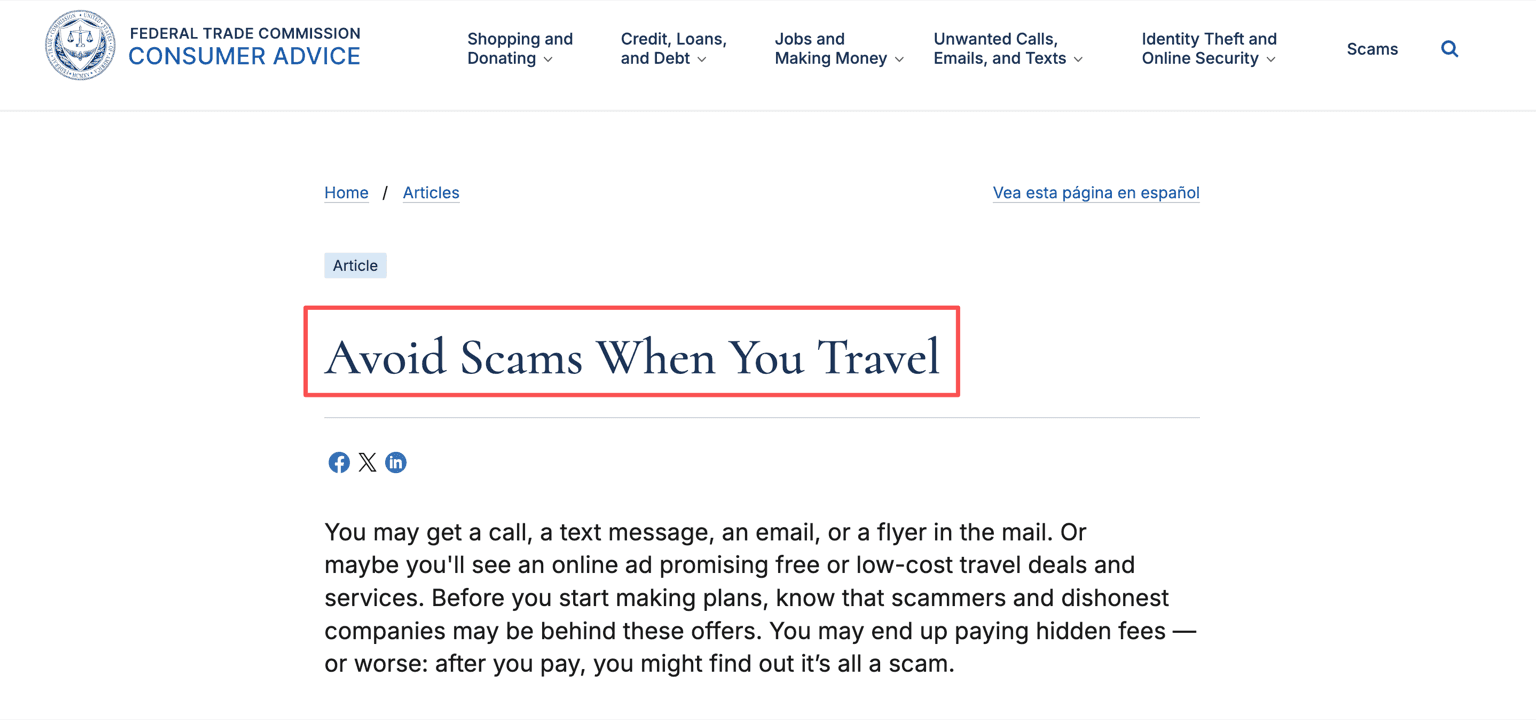
This boundary protects the client too. Travelers should understand cancellation and refund terms before paying, and suspicious payment methods remain a travel risk. Payment review should be documented and slow enough to catch mistakes.
Supplier confirmation
Supplier confirmation should come from the supplier or booking system, not from an AI summary. AI can read a confirmation email and extract fields, but it should not turn a tentative quote into a confirmed booking.
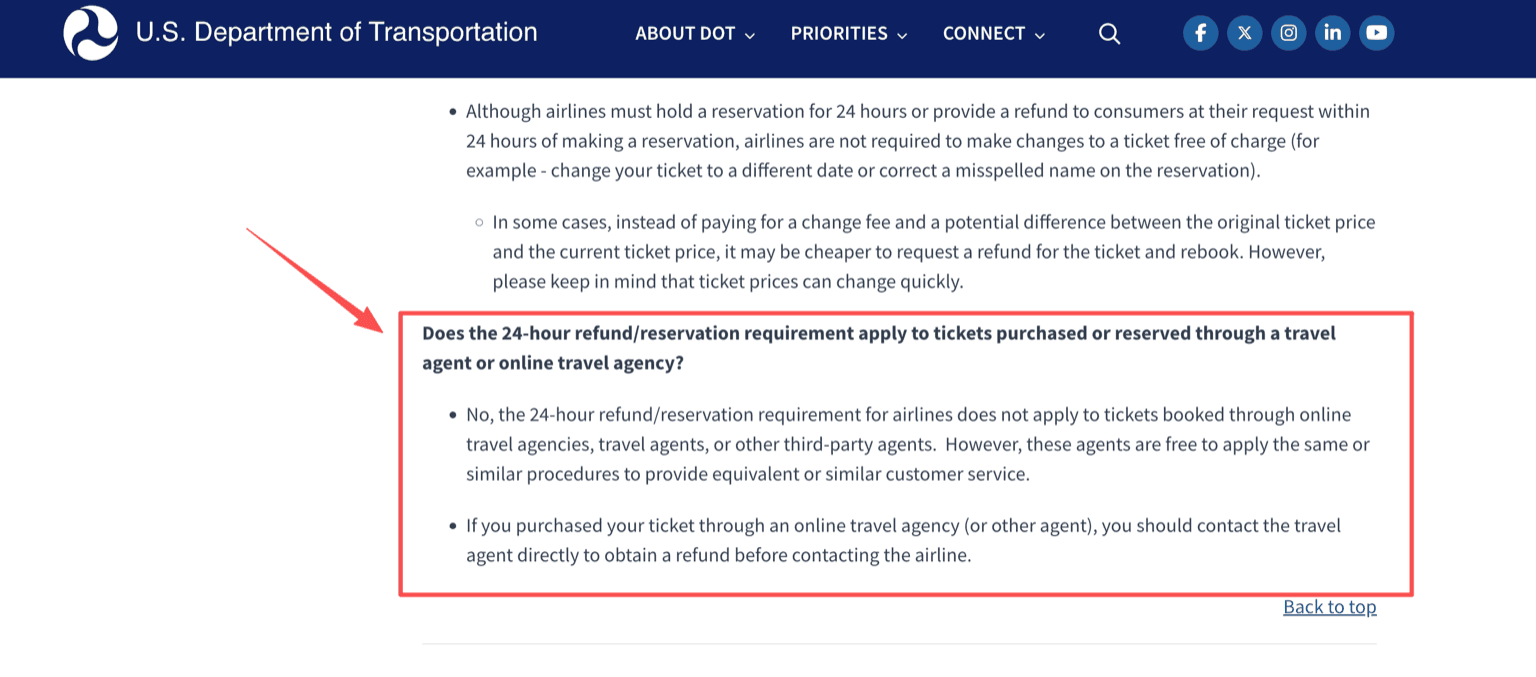
For air travel, refund and cancellation rights depend on purchase path and ticket circumstances. The 24-hour refund or hold requirement does not apply the same way to tickets booked through travel agents or other third-party agents. Client guidance should reflect the supplier, channel, fare rule, and jurisdiction.
Personal data
Personal data should be minimized, access-controlled, and reviewed. Passport details, birth dates, loyalty numbers, health notes, dietary restrictions, accessibility needs, and emergency contacts should not be copied into every AI prompt by default.
Clients may also have rights over stored preferences. GDPR gives individuals the right to ask for deletion of personal data, with exceptions such as legal obligations. Even outside the EU, the habit is useful: know what you store, why, who can see it, and when it can be deleted.
How MoClaw Fits This Workflow
MoClaw fits as the managed workflow layer around client intake, itinerary research, draft updates, and follow-up queues. It should not be presented as a booking platform, GDS, payment processor, or supplier confirmation system.
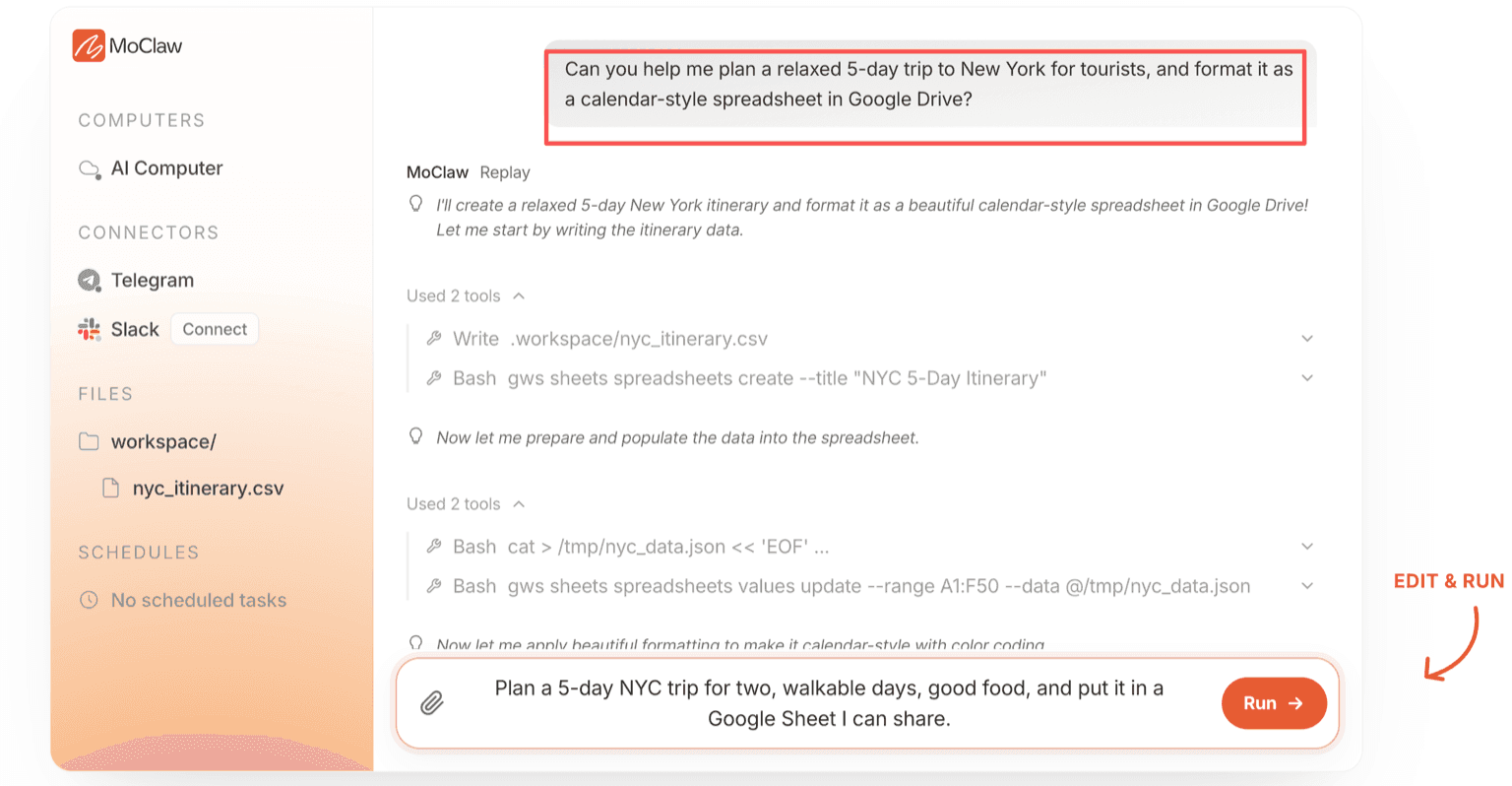
For itinerary preparation, MoClaw's AI Travel Itinerary Generator with Google Sheets is the most relevant internal example. It shows the lighter side of the workflow: turning trip details into a structured itinerary spreadsheet. For agency work, I would add fields such as "client approved," "supplier confirmed," "payment reviewed," and "needs human check."
For recurring operations, MoClaw's AI workflow automation is the better fit. A small agency could organize intake forms, flag missing details, prepare follow-up queues, and draft change-request updates. The advisor still owns payment approval, supplier confirmation, personal data handling, and final communication.
FAQ
Can a client revoke access to saved trip preferences?
Yes, a client should be able to ask what preferences are stored and request removal when there is no legal or business reason to keep them. Separate optional preferences from booking records that may need retention for accounting, disputes, insurance, or legal obligations.
What happens when two agents edit the same itinerary?
The app should preserve version history and show which agent changed what. If the system cannot lock, compare, or restore versions, the agency needs manual review before sending client updates. AI drafts should not overwrite the approved itinerary without a visible change record.
Who keeps the final record after a client cancels?
The agency should define final record ownership before cancellations happen. Accounting, supplier correspondence, refund status, and client communication may need different retention periods. Mark the trip as cancelled without deleting evidence needed for refunds, disputes, or later client questions.
Can a trip workflow transfer to another agency?
A trip workflow can transfer only if the client authorizes it and the receiving agency can use the records lawfully and securely. Separate preferences, booking confirmations, payment records, and supplier communications. Redact sensitive fields unless necessary.
Travel Agency App or AI Workflow: Choose by Record Ownership
A travel agency app should own the official client and booking record. An AI workflow should prepare summaries, research, drafts, and queues that a responsible person can review. For small travel advisors, the strongest setup is using AI to make the app cleaner, the handoff clearer, and the trip easier to manage without losing control of the final record.
Fact-check note: MoClaw Editorial reviewed every public source cited here on August 6, 2026. This is an operations comparison, not legal advice or supplier guidance, and not a claim that MoClaw connects to any booking, GDS, payment, or supplier system.
Continue Reading
More Comparison
AI Copilot vs AI Agent for Recurring Work

Grok 4.5 vs GPT-5.5 for Agent Tasks

Opus 5 vs Fable 5: Two Different Rankings

Opus 5 vs Kimi K3: A Tie, Then a Choice

FLUX 3 vs Seedance 2.0: Which Wins?

7 Best OpenWorker Alternatives in 2026
The MoClaw editorial team writes about workflow automation, AI agents, and the tools we build. Default byline for industry overviews, listicles, and collaborative pieces.
Choosing between tools? Let MoClaw run the work.
Always-on AI assistant on its own cloud computer. No switching required, no setup.
References: IATA: Global Air Passenger Demand Reaches Record High in 2024 · OECD Tourism Trends and Policies 2024 · FTC: Avoid Scams When You Travel · US DOT: Refunds (24-hour requirement) · European Commission: Do we always have to delete personal data if a person asks?